AI For Airbnb Hosts: How to Scale Without Hiring More Staff


AI for Airbnb Hosts
Scale without hiring more staff
Managing multiple Airbnb properties means dealing with a constant stream of guest messages about WiFi passwords, check-in instructions, and local recommendations, often at inconvenient hours. While AI Communications For Hotels has revolutionized how large hospitality brands handle guest interactions, the same technology is now accessible to independent hosts. Smart automation can handle routine communications, reduce response times, and free up valuable time for business growth.
Modern AI tools can instantly respond to common guest questions, personalize booking confirmations, and send timely reminders while maintaining the host's unique voice and style. These systems learn from hosting patterns and guest preferences to deliver professional experiences that scale from single properties to large portfolios. Hosts looking to transform their operations can explore comprehensive AI for hospitality solutions designed specifically for the modern accommodation industry.
Table of Contents
- Why Airbnb Hosting Starts Feeling Unmanageable as You Scale
- Why Generic AI Tools Often Fail Airbnb Hosts
- What Airbnb Hosts Actually Need AI to Handle
- Why Reactive Guest Support Limits Growth
- What Effective AI for Airbnb Hosts Actually Looks Like
- How Conduit Helps Airbnb Hosts Scale Guest Operations
- Book a Demo to See Conduit's AI for Hospitality Customer Service in Action
Summary
- Airbnb hosts responding within one hour see 25% higher booking conversion rates, while improving response rates from 89% to 100% can increase bookings by up to 116%, according to Enso Connect's hospitality research. Guests no longer compare your service against other Airbnb hosts. They compare it against Uber's instant updates and hotels with 24/7 front desks, which means responsiveness has become a competitive requirement rather than a differentiator.
- Airbnb removed more than 200,000 listings that failed to meet guest quality expectations, according to reporting from the Associated Press. The platform isn't just raising standards. It's eliminating hosts who can't keep pace with operational demands that grow exponentially faster than property counts, forcing operators to compete on responsiveness, cleanliness, amenities, and consistency simultaneously.
- Nearly 50% of hosts surveyed by The Host Report find AI tools overwhelming rather than helpful. Generic AI systems create a second layer of monitoring where operators still need to watch every conversation, correct mistakes, and step in manually whenever complexity appears. The promise was less work, but the reality became babysitting automation that doesn't understand hospitality operations.
- Research from PwC found that 73% of consumers say customer experience is an important factor in purchasing decisions, but only 49% feel companies provide a good experience today. In hospitality, operational breakdowns often appear to guests as communication failures, which means the technical backend directly shapes guest perception of service quality from first contact through checkout.
- Deloitte's 2024 research on generative AI in hospitality shows that 52% of hospitality executives prioritize operational efficiency as the top expected benefit of AI adoption. The shift reflects a larger operational reality. Hosts don't just need AI to answer questions faster. They need systems that reduce coordination work across the entire business, from housekeeping schedules to maintenance routing to revenue optimization.
- AI for hospitality addresses this by integrating directly with property management systems and reservation platforms, giving AI agents the operational context to handle complex conversations while knowing when to escalate and how to coordinate follow-through across channels.
Why Airbnb Hosting Starts Feeling Unmanageable as You Scale
Every new property multiplies the number of communication threads, coordination dependencies, and service expectations across disconnected systems. The challenge isn't handling more bookings—it's managing simultaneous conversations, operational tasks, and guest demands split across platforms while maintaining the quick responses that drive your revenue and reviews.
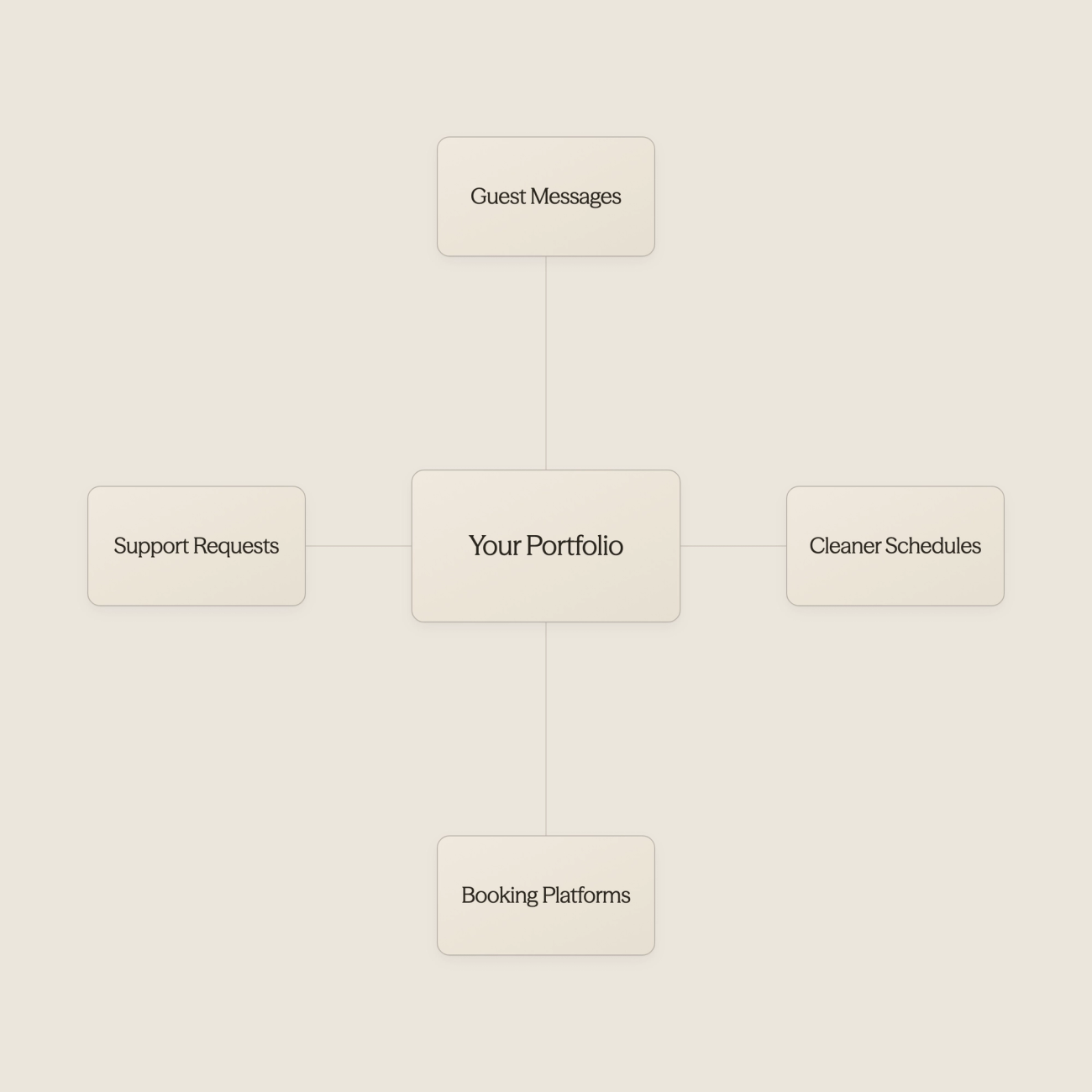
🎯 Key Point: The complexity grows exponentially, not linearly—each property creates multiple new coordination points that can break down without proper systems.
"Managing multiple properties without integrated systems creates communication bottlenecks that directly impact guest satisfaction and host revenue." — Vacation Rental Management Study, 2023
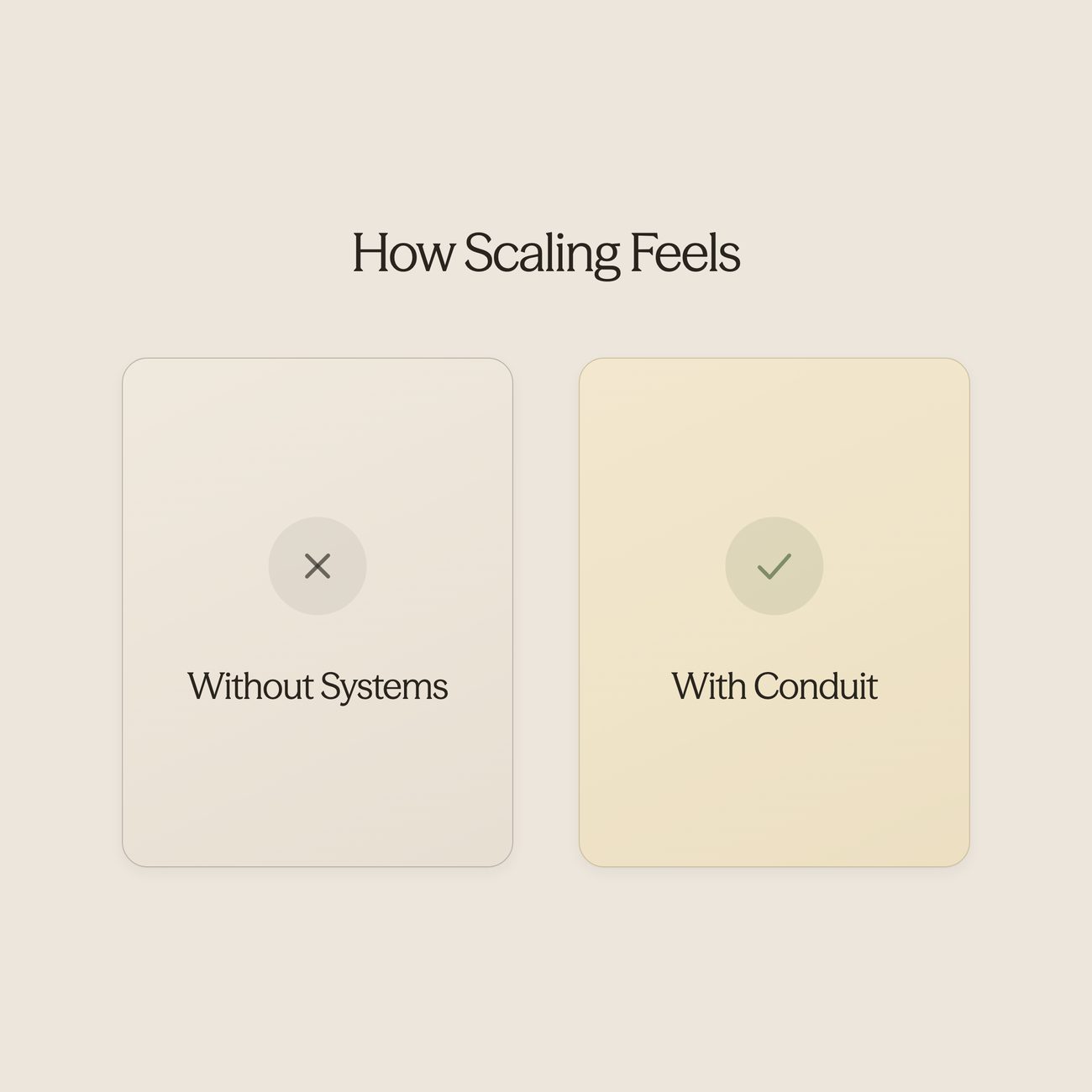
⚠️ Warning: Most hosts underestimate how quickly response time delays and missed communications can damage their hard-earned reputation across platforms.
What happens when communication becomes unmanageable?
What feels manageable with two listings becomes operationally chaotic at five. Your day stops being about hospitality and becomes about inbox management. Late-night check-in questions arrive while you're coordinating tomorrow's cleaner. Wi-Fi troubleshooting interrupts maintenance updates. Extension requests compete with guest complaints, platform notifications, review responses, and cross-channel messages scattered across Airbnb, SMS, email, WhatsApp, direct booking channels, and voice calls.
You're operating reactively by necessity, constantly switching between tools without centralized workflows to maintain the fast, personalized responses guests expect.
Why does response time impact your booking success?
That responsiveness pressure matters more than most hosts realize. According to Enso Connect, operators responding within one hour see 25% higher booking conversion rates, while improving response rates from 89% to 100% can increase bookings by up to 116%.
Guests compare your service against Uber's instant updates, Amazon's real-time tracking, and hotels with 24/7 front desks, not just the listing down the street.
When Growth Creates the Opposite of Freedom
Most hosts enter short-term rentals seeking flexibility, location freedom, and supplemental income with minimal effort. As their business grows, however, they find themselves fielding constant customer questions.
Why does scaling create operational overwhelm for hosts?
More properties generate more revenue, but also create unusual guest problems, coordination needs, and pressure to maintain consistently high reviews across every listing. According to reporting from the Associated Press, Airbnb removed more than 200,000 listings that failed to meet guest quality expectations, while hosts increasingly compete on responsiveness, cleanliness, amenities, and consistency. The platform is eliminating hosts who cannot keep pace with operational demands that outpace property counts.
What emotional contradiction do growing hosts experience?
This creates an emotional contradiction that catches people off guard. You started hosting for independence, but growth creates an always-on work environment that keeps notifications tied to you all day. The freedom you expected becomes reactive support that follows you wherever you go. Most scaling problems in short-term rentals aren't property problems—they're communication and operational coordination problems disguised as growth challenges.
Most hosts solve these problems with tools never designed for hospitality operations at scale.
Why Generic AI Tools Often Fail Airbnb Hosts
Generic AI tools fail Airbnb hosts because they respond without understanding operations. A guest asking about early check-in isn't submitting a simple support ticket—the answer depends on the cleaning schedule, previous checkout time, property readiness, and team availability. Most AI chatbots can't access this critical context, so they generate answers that sound helpful but create operational chaos.
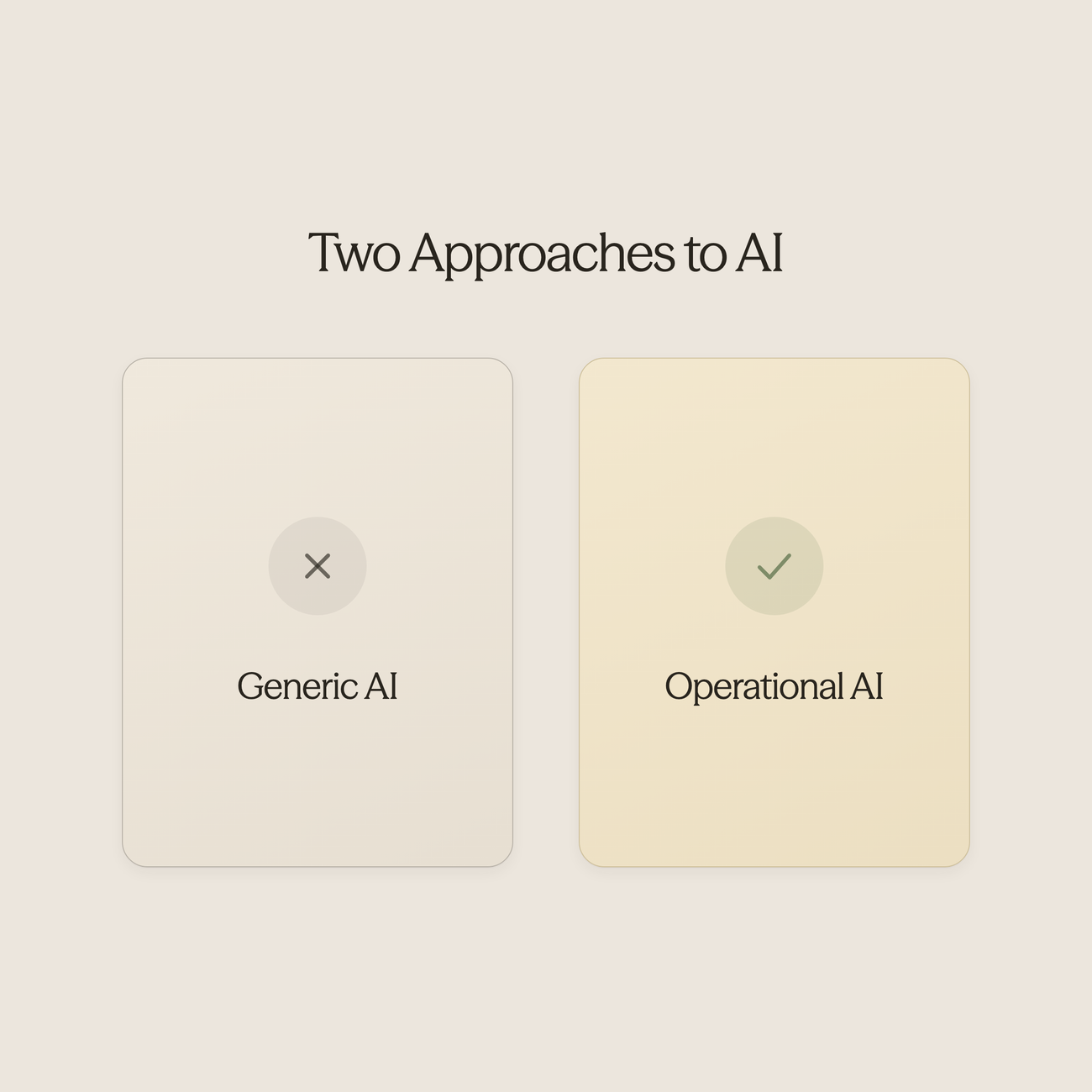
🎯 Key Point: Generic AI lacks the operational awareness needed for hospitality management, leading to guest confusion and host frustration.
"Most AI chatbots can't access critical context, so they generate answers that create operational chaos rather than solutions." — Hospitality AI Analysis, 2024
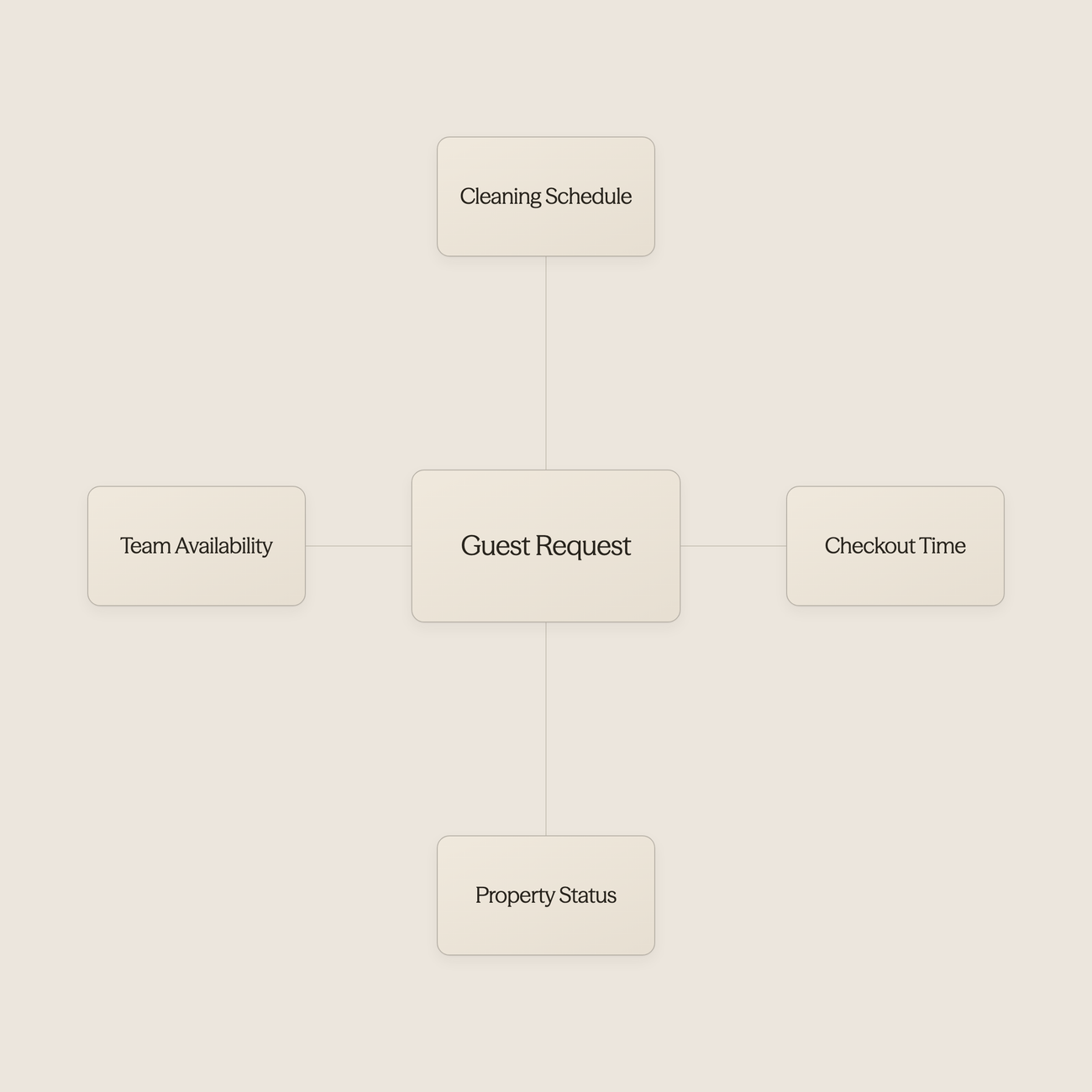
⚠️ Warning: Using context-blind AI for guest communications can result in double bookings, disappointed guests, and damaged reviews when promises can't be delivered.
Why do generic AI tools struggle with operational accuracy?
Hospitality communication needs to be accurate and correct, not just friendly and conversational. When AI doesn't connect to your property management system, calendar, and team workflows, it makes guesses. A guest receives the wrong check-in instructions. Another receives outdated WiFi codes. Someone is told the pool is open when maintenance closed it yesterday. These mistakes affect arrivals, cleaner coordination, maintenance scheduling, and ultimately your reviews.
How does disconnected AI create more work instead of less?
Instead of reducing workload, generic AI creates a second layer of monitoring, requiring you to watch every conversation, correct mistakes, and intervene manually whenever complexity arises. According to a survey of 1,400 hosts, nearly 50% find AI tools overwhelming rather than helpful. The promise was less work; the reality is babysitting automation that doesn't understand your business.
Why do fragmented channels create communication problems?
Most growing operations manage guests across SMS, email, direct booking platforms, voice calls, and internal team tools. Generic AI systems operate in isolation within one channel, blind to the broader guest journey.
Your team still spends time reconnecting fragmented conversations, manually transferring context between systems, and coordinating follow-through across platforms. The AI handles individual messages but misses the operational story connecting them.
How do operational exceptions expose AI limitations?
Operational exceptions most clearly reveal these limitations. A lockout at midnight, a maintenance issue during check-in, or a last-minute extension request cannot be handled like standard support tickets. These moments require understanding when to escalate, how to route context to the right person, and when humans need to make judgment calls.
Without that structure, automation creates risk instead of reducing it. Research from Stanford University and the University of California, Berkeley shows that large language models still produce factual hallucinations even when responses sound convincing. In hospitality, these inaccuracies become real problems for the guest experience because guests act on the information immediately.
What makes hospitality AI actually work?
Hospitality AI only works when the system understands what's happening in the hotel: who the guest is, where they are in their stay, what property they booked, what's occurring now, and what needs to happen next.
Platforms like Conduit connect directly with property management systems and team workflows, enabling AI agents to handle complex conversations while knowing when to escalate to humans and how to coordinate across channels. This transforms AI from a risky chatbot into support that understands your business.
Related Reading
- AI Communications For Hotels
- AI For Vacation Rentals
- AI Use Cases In Hospitality
- Best Hotel Chatbot
- AI Chatbot For Hotels
- Hotel Chatbot
What Airbnb Hosts Actually Need AI to Handle
Most Airbnb hosts don't want AI to replace hospitality—they want help managing repetitive operational interruptions that consume hours daily. The biggest communication problems in short-term rentals aren't hard guest situations, but the same operational questions and coordination tasks repeating across properties, guests, and channels.
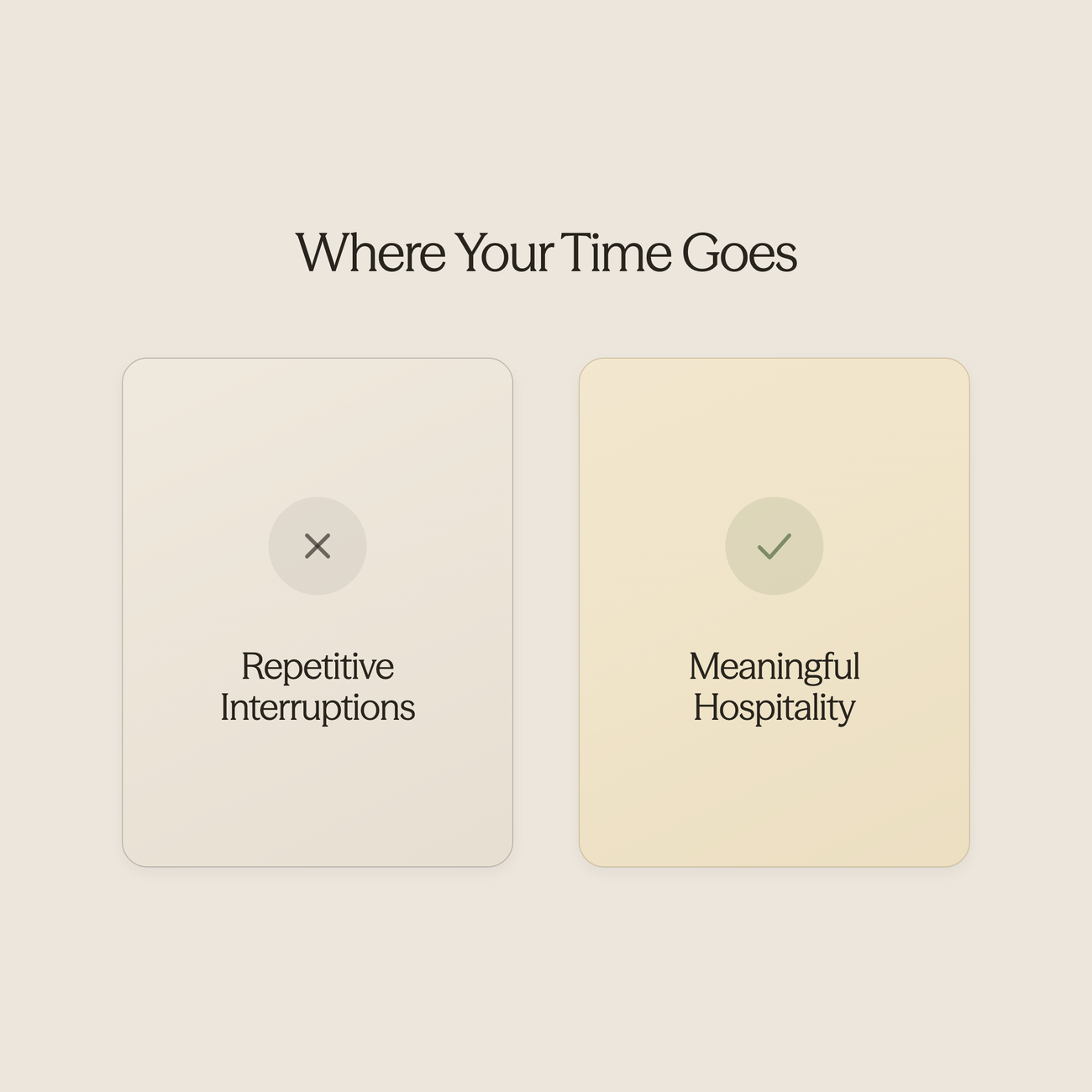
🎯 Key Point: The real opportunity for AI in hospitality isn't replacing human connection—it's eliminating the repetitive tasks that prevent hosts from focusing on what actually matters to guests.
"70% of guest messages don't need a human to answer them—they're the same operational questions repeating across every property." — Conduit AI Research
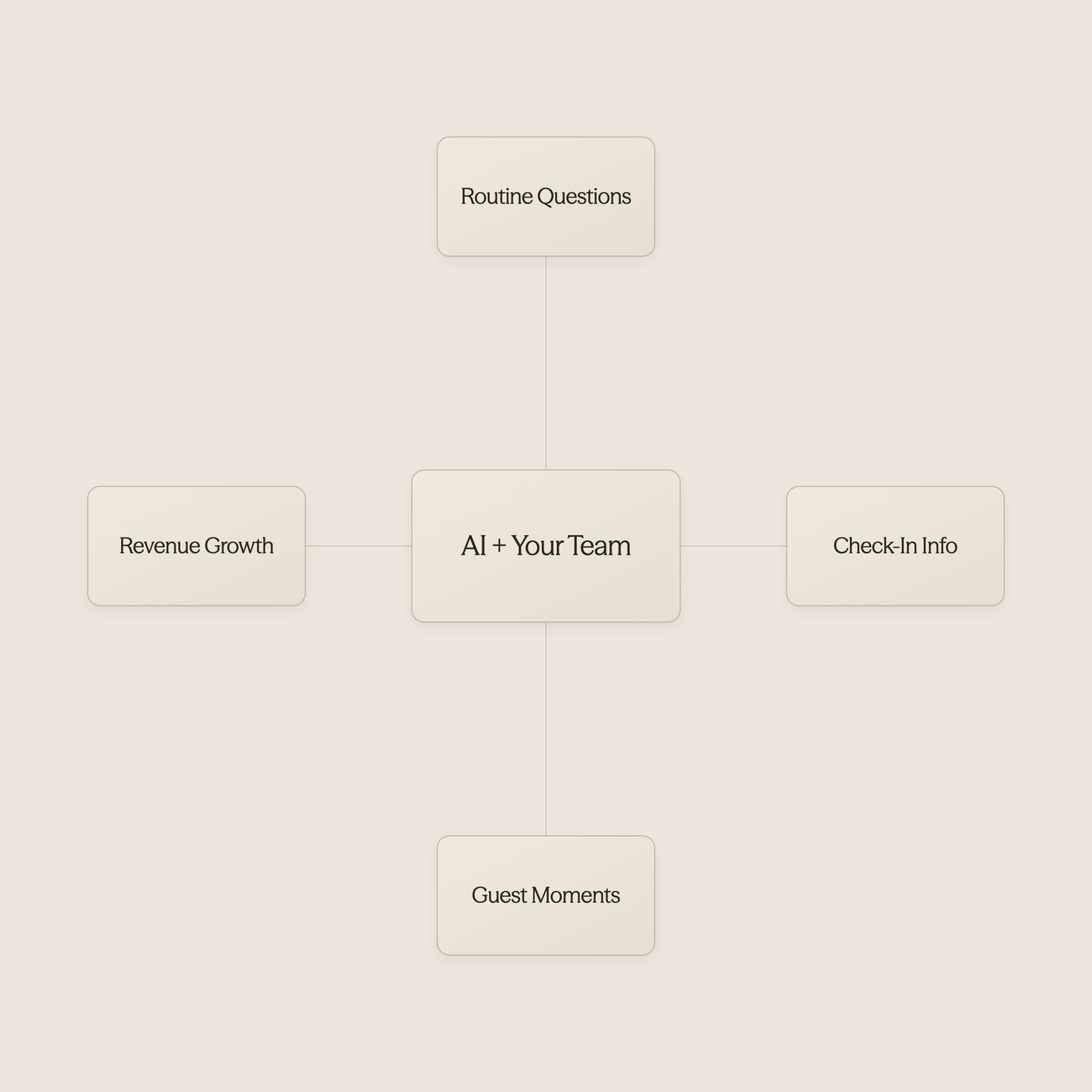
💡 Tip: Focus AI implementation on the highest-volume, lowest-value tasks first. These operational interruptions are where you'll see the most immediate time savings and efficiency gains.
What makes guest questions so repetitive and time-consuming?
As portfolios grow, hosts spend considerable time answering repetitive questions such as "What time is check-in?" "How do I access the property?" "What's the Wi-Fi password?" "Can I check out late?" These interactions divert attention from more important work, such as improving the guest experience, optimizing occupancy, or growing the business.
How do constant interruptions impact host productivity?
The problem isn't response speed—it's message volume. Every notification interrupts your focus, trapping hosts in a cycle of reaction rather than meaningful work. According to Sean Rakidzich's guide to AI tools for Airbnb hosts, operators managing 155+ short-term rental properties face coordination challenges where manual responses become mathematically impossible to sustain.
After-Hours Pressure and Multilingual Complexity
The hospitality business runs around the clock, and guests expect help whenever they need it. A question about a lockbox at midnight or an urgent access problem before check-in still needs a response. That pressure builds quickly when you have multiple listings and guests in different time zones, turning manageable operations into a job demanding 24/7 availability.
Communication in multiple languages adds another challenge. As short-term rental markets grow more global, hosts regularly interact with guests who speak different languages and expect quick, accurate responses. A single property might host guests from five different countries in a single month, making consistency difficult without operational systems that support the process.
How does maintenance coordination create operational friction for hosts?
Keeping up with maintenance creates similar operational challenges. When a guest reports a problem, the host must contact maintenance, update the cleaner, follow up with the guest, track the repair timeline, and manage guest expectations throughout the process.
Even small problems trigger long communication chains that consume far more time than the problem itself, creating cascading delays across other properties and operational tasks.
What guest lifecycle automation opportunities do hosts want to implement?
Many hosts want to automate guest lifecycle communication: review follow-ups after checkout, extension offers before departure, upsell opportunities tied to bookings, pre-arrival instructions, and personalized recommendations during the stay.
Most operations handle these manually or inconsistently because communication systems lack access to the reservation and operational context needed to trigger them intelligently. Platforms like Conduit integrate directly with property management systems and reservation data, enabling AI agents to understand guest context, property details, and stay lifecycle stages. This transforms repetitive coordination work into automated workflows that maintain service quality while freeing hosts to focus on revenue growth and portfolio expansion.
The real opportunity with AI is removing repetitive coordination work that prevents hosts and teams from delivering hospitality effectively. But once you eliminate those tasks, a different challenge emerges.
Why Reactive Guest Support Limits Growth
What happens when you scale without proactive communication?
When you add your fifth property, reactive support feels manageable. By the tenth, you notice the pressure. By the twentieth century, communication had become a business instead of supporting it.
Why does each property multiply your operational burden?
The problem is that operational costs accumulate when you must wait for guests to tell you what they need before your team can help. Each property has multiple friction points: more check-ins generate questions about access, more bookings create requests for local recommendations and parking instructions, and more guests lead to edge cases around early arrivals, late checkouts, and maintenance issues.
How does reactive support impact service quality?
Your team spends whole days managing incoming messages instead of shaping the experience proactively. Support quality varies between properties, channels, or team members, particularly during busy periods.
Why doesn't speed alone solve communication problems?
Faster responses help, but they don't address the underlying issue. Guests shouldn't need to ask for information that could have been delivered automatically before the question formed.
What opportunities do reactive responses miss?
A guest asking for check-in instructions three hours before arrival is already feeling unsure. A guest asking about late checkout the night before departure might have purchased an extension earlier if the offer had been sent automatically after booking. A guest asking about local restaurants after check-in could have received curated recommendations days earlier, improving their impression of the property before arrival.
These moments reveal missed opportunities to reduce support volume while improving the guest experience. The strongest operations eliminate the need for guests to ask in the first place.
The Operational Shift That Enables Growth
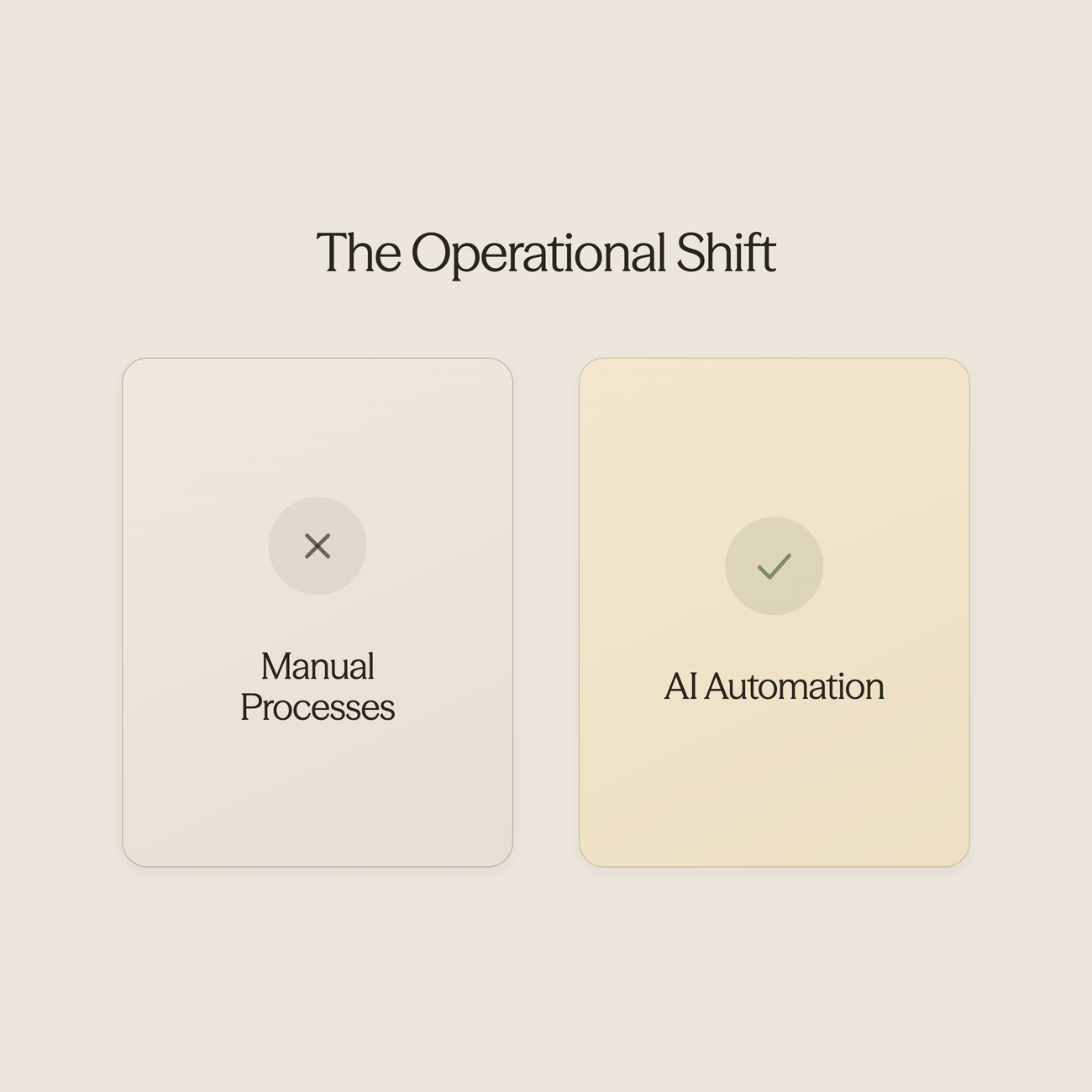
Talking to guests before they ask removes the need to fix problems as they arise. Instead of waiting for guest contact, your operations can automatically send arrival instructions, offer post-booking upgrades, remind guests about extensions before checkout, and send personalized messages based on their in-stay behavior.
How does automation transform guest communication workflows?
Platforms like AI for hospitality automate workflows across the entire guest lifecycle, reducing inbound support volume while creating structured upsell and extension opportunities that reactive operations miss. Communication becomes predictable and revenue-efficient rather than chaotic and interrupt-driven.
What happens when teams shift from reactive to proactive operations?
When teams grow, they stop answering repetitive questions and focus on important work, such as adding properties, improving prices, and forming strategic partnerships. Guests receive information before problems arise, shaping their perception of service quality from first interaction through checkout.
This change from answering questions as they come up to planning ahead removes the operational limit that prevents most short-term rental businesses from growing profitably.
Building proactive workflows requires more than automation alone.
What Effective AI for Airbnb Hosts Actually Looks Like
Good AI for Airbnb hosts understands what is happening with the property before giving answers. The system needs to know if a guest has checked in, if housekeeping has finished cleaning between guests, if maintenance problems are still waiting to be fixed, and if a late checkout conflicts with the cleaning schedule. Without that knowledge, automation creates more work requiring manual fixes rather than reducing it.
🎯 Key Point: Effective AI systems aren't just chatbots—they're integrated operational assistants that understand your property's real-time status.
"Without real-time property knowledge, automation creates more work that needs to be fixed by hand instead of reducing it."
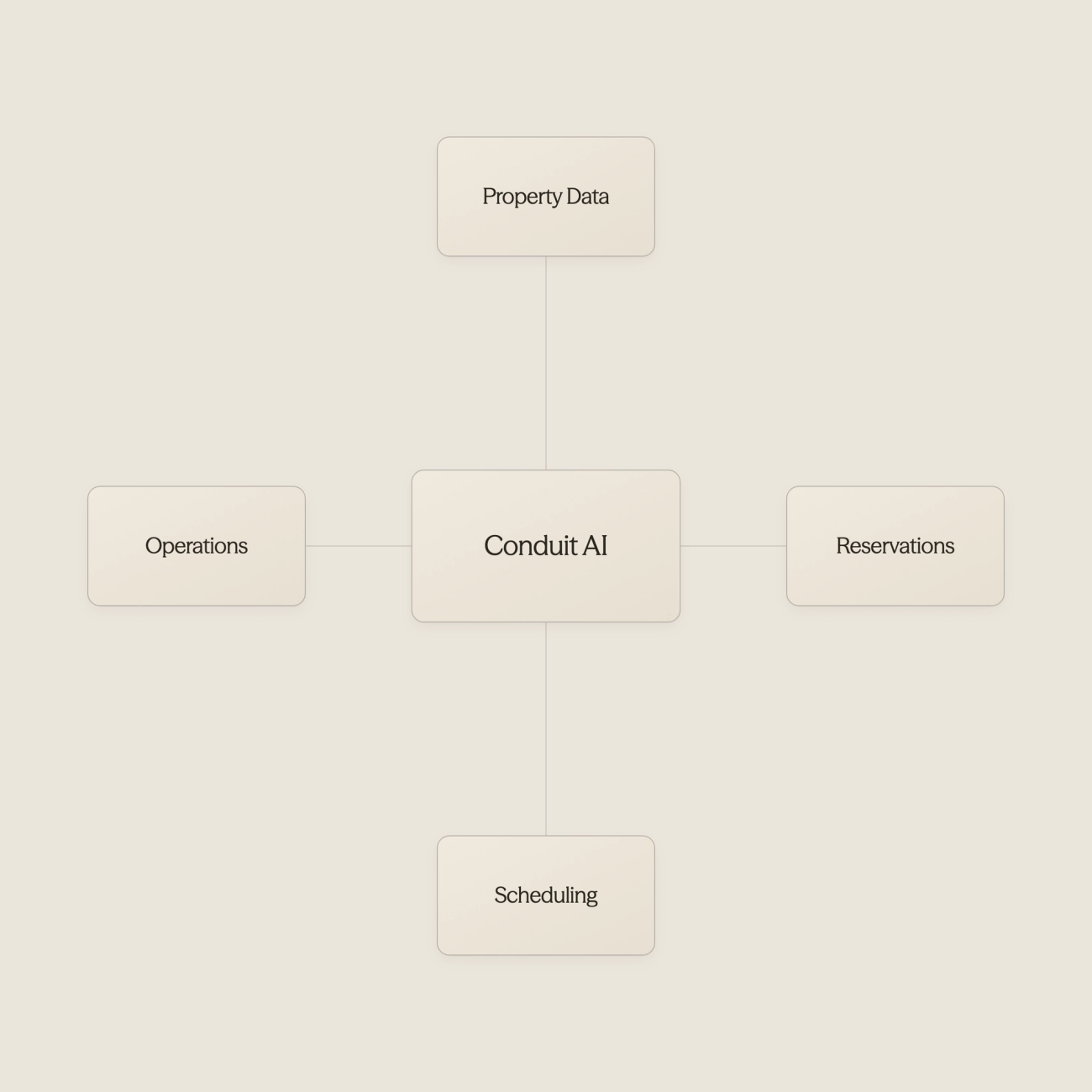
Good systems connect directly into property management platforms, reservation systems, and operational workflows rather than functioning as standalone messaging tools. The AI pulls real booking information, property instructions, stay timelines, and operational updates to respond accurately and trigger the right follow-through actions.
💡 Best Practice: Look for AI solutions that integrate with your existing PMS, channel managers, and cleaning schedules rather than adding another disconnected tool to your workflow.
How does operational context determine AI effectiveness?
Hospitality communication only works when connected to live operational systems. A question about early check-in cannot be answered correctly without knowing when the previous guest will check out, whether housekeeping staff is available, and if the property is ready. Our Conduit platform integrates with your existing systems to ensure every guest interaction is informed by real-time operational data.
A request for local restaurant recommendations should account for the guest's arrival date, any dietary restrictions mentioned earlier, and proximity to their booked property.
Why do hospitality executives prioritize operational efficiency?
According to Deloitte's 2024 research on generative AI in hospitality, 52% of hospitality executives prioritize operational efficiency as the top expected benefit of AI adoption. Hosts need systems integrated with broader operational workflows that reduce coordination work across the entire business, not isolated guest messaging tools.
How does AI maintain consistency across different communication channels?
Guests switch between Airbnb messaging, SMS, email, direct booking platforms, and voice communication. Good hospitality AI keeps these interactions connected so the system remembers what was discussed on Airbnb when the guest sends a follow-up text message three days later.
When should AI escalate issues to human staff?
Operational exceptions matter as much as automation coverage. Some requests require escalation, judgment, or coordination between teams. The AI must understand when to involve humans and pass along full context so teams need not reconstruct the situation manually.
Research from PwC found that 73% of consumers say customer experience influences purchasing decisions, yet only 49% feel companies deliver one. In hospitality, operational breakdowns often manifest to guests as communication failures.
What makes AI genuinely valuable for hosts?
The best AI systems reduce repetitive work, freeing human teams to focus on situations requiring judgment, empathy, and decision-making. Guests receive accurate information before asking. Teams spend less time answering recurring questions. Operational exceptions are flagged quickly with relevant context.
When AI is set up well, communication becomes more proactive, coordinated, and less interruption-driven. AI becomes valuable for Airbnb hosts not when it generates replies faster, but when it reduces operational friction without sacrificing hospitality quality.
How do you implement AI without disrupting operations?
Understanding what effective AI looks like is only the first step. The harder question is how to deploy it without disrupting existing operations or requiring the technical expertise most hosts lack. Our Conduit platform integrates seamlessly into hospitality operations, enabling teams to leverage AI capabilities without specialized technical knowledge.
Related Reading
- Hotel Automation Tools
- Ai Agents For Hotels
- Ai Tools For Hotels
- Hotel Chatbot
- Guest Communication Tools
- Ai Chatbot For Hotels
- Airbnb Automation Tools
How Conduit Helps Airbnb Hosts Scale Guest Operations
Conduit connects directly into property management systems, reservation platforms, and operational workflows so AI responses are grounded in real context rather than generic scripts. When a guest asks about early check-in, the system knows the previous guest's checkout time, housekeeping status, and property availability without manual lookup. That operational awareness separates useful automation from systems that create more work than they eliminate.
🎯 Key Point: Real-time integration with your existing systems means instant access to critical property data without switching between multiple platforms or making time-consuming manual checks.
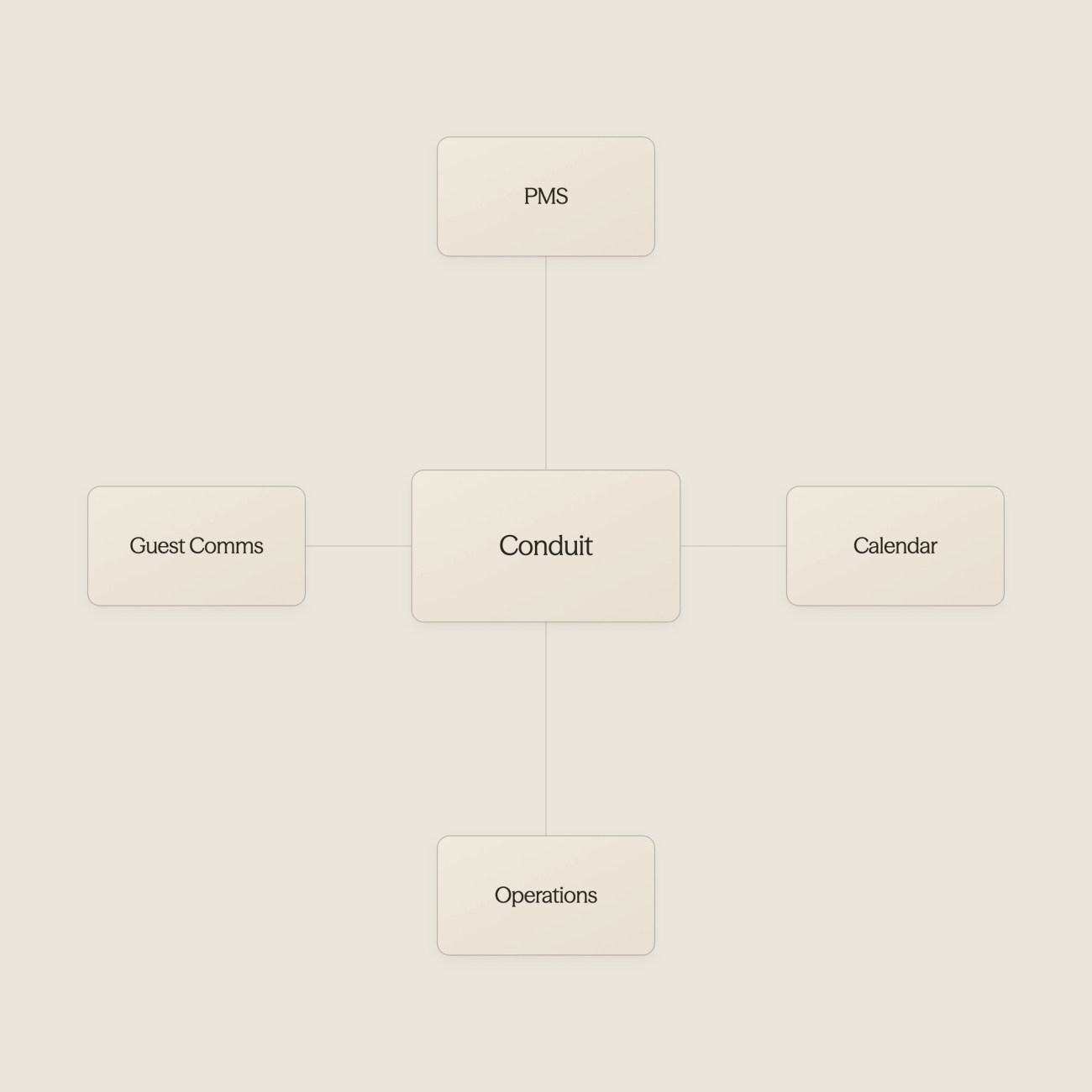
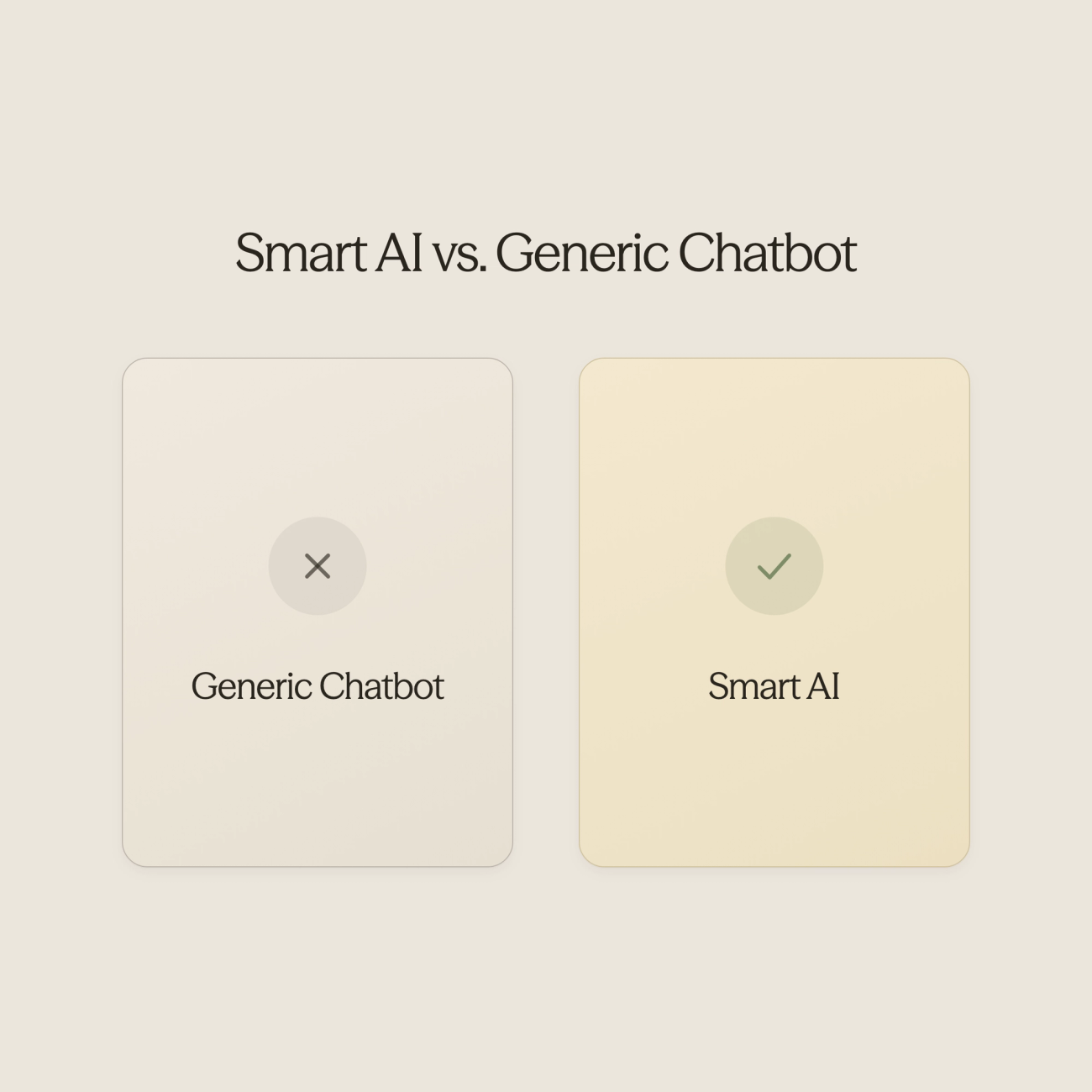
"Operational awareness separates useful automation from systems that create more work than they eliminate." — The difference between smart AI and generic chatbots
💡 Pro Tip: Look for automation tools that seamlessly integrate with your current workflow rather than requiring you to learn entirely new systems or duplicate data entry across multiple platforms.
What scale of operations does Conduit support?
Conduit currently supports operations across over 77,000 properties, handling guest communication across more than 30 channels, including Airbnb messaging, SMS, email, WhatsApp, and direct booking platforms. Guests receive accurate, helpful support regardless of contact method, while hosts avoid the confusion that typically accompanies property growth.
Proactive Communication That Drives Revenue
Most property management operations only react after guests request something. Conduit initiates communication based on guest lifecycle events and real activity patterns: check-in reminders when guests arrive, upgrade opportunities when rooms are available, and extension offers before checkout when occupancy allows. These proactive workflows capture revenue that reactive operations miss.
The coordination layer matters equally. When maintenance issues or guest problems arise, the system escalates with full conversation context so operations managers, cleaners, and maintenance staff see exactly what happened without reconstructing fragmented message threads. This internal visibility prevents coordination breakdowns when information is scattered across team members.
Keeping Humans in the Loop Where It Matters
Conduit does not remove judgment from hospitality operations. Sensitive situations, complex guest requests, and operational exceptions route to human team members with full context. The goal is to reduce repetitive coordination work so that human attention can focus where empathy, creativity, and judgment create the most value. Teams stop answering the same Wi-Fi password question across dozens of properties and start handling experiences that require a person.
But knowing what the system can handle is useful only if implementation doesn't require the technical expertise most hospitality operators lack.
Related Reading
- Duve Pricing
- Hijiffy Pricing
- Property Management Ai Tools
- Ai Software For Hotels With Best Reviews
- Enso Connect Pricing
- Airbnb Automated Messages
- Best Ai For Hotels
- Hotel Automation Software
Book a Demo to See Conduit's AI for Hospitality Customer Service in Action
If your team spends more time responding to guest messages than improving the guest experience, identify which communication workflows create operational bottlenecks. The constraint is rarely time or talent: it's your system architecture, which forces human attention toward repetitive coordination tasks that AI can resolve faster and more consistently.
🎯 Key Point: The bottleneck isn't your team's capability—it's inefficient systems forcing manual work that technology should handle.
Book a demo with Conduit to see how our AI connects directly into your hospitality stack, automates repetitive guest requests using real reservation context, and launches proactive workflows that reduce support volume while unlocking new revenue opportunities. Our system scales portfolios without proportional growth in headcount, recognizing that guest satisfaction depends on speed and accuracy. You'll see ROI visibility within 30 days, not quarters.
"Guest satisfaction depends on speed and accuracy—our system delivers both while reducing operational overhead." — Conduit AI Platform
💡 Tip: Look for AI solutions that integrate directly with your existing hospitality stack rather than requiring separate platforms that create more workflow complexity.
Stay in the loop
Get the latest on AI automation, product updates, and customer stories.

