AI Communications for Hotels: How it Improves Guest Response Speed
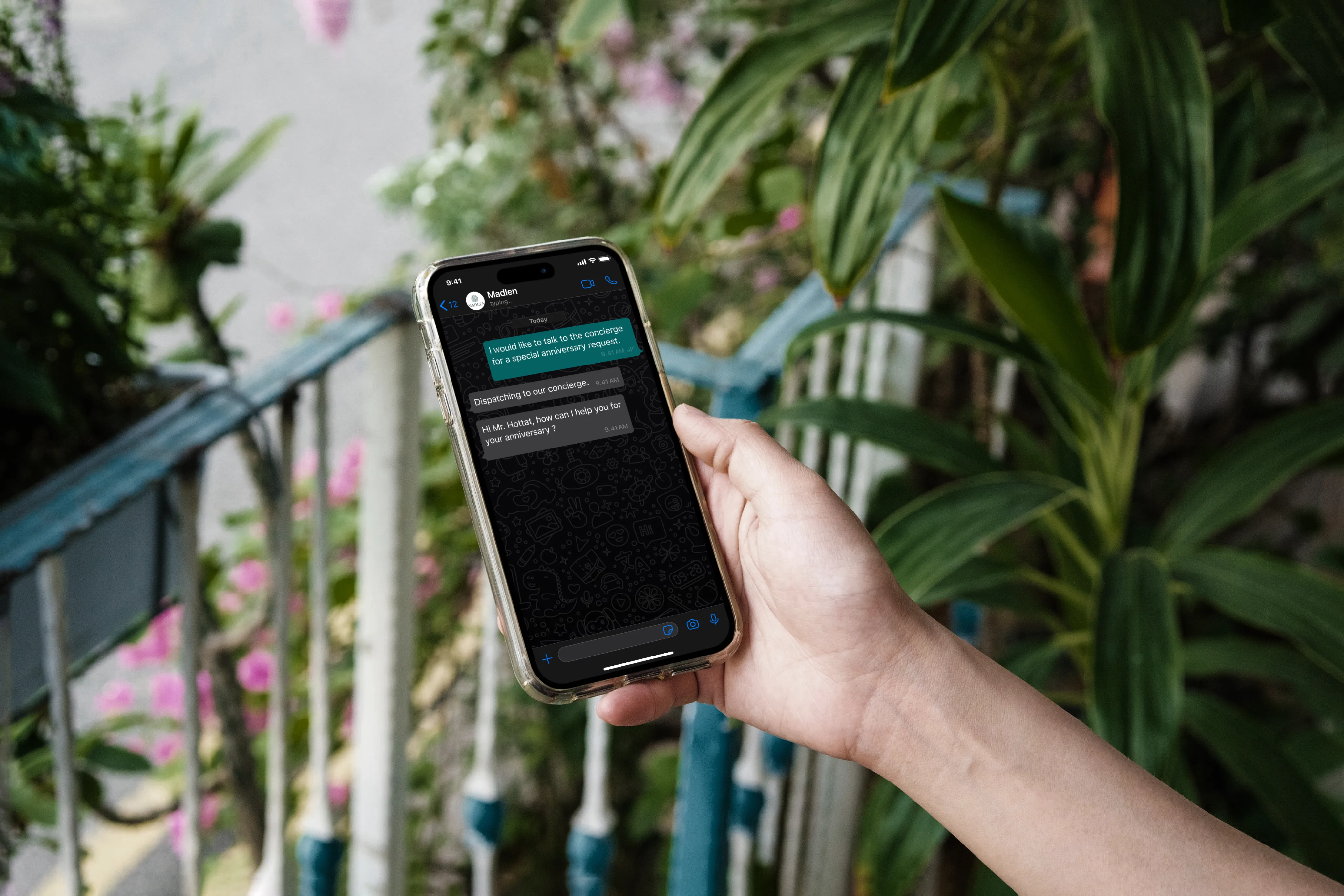
A guest messages the front desk at 2 AM about a broken air conditioner, while another emails about dinner reservations, and a third texts in Spanish asking about airport shuttles. Staff members are stretched thin, response times are slow, and guest satisfaction scores reflect the communication bottleneck. AI Communications for Hotels solves this problem by enabling instant, accurate responses across all channels and languages. This technology transforms how properties interact with guests before, during, and after their stay.
The system works by understanding guest intent and delivering personalized responses in seconds rather than hours. Guests receive immediate answers about room service, spa bookings, or local recommendations the moment they ask, whether through text, email, chat, or social media. Staff can focus on complex requests that need a human touch while automated systems handle routine questions with the same care and accuracy the brand promises. Hotels looking to streamline guest communications can explore comprehensive solutions through AI for hospitality.
Table of Contents
- Why Hotel Communication Breakdowns Hurt Guest Experience Faster Than Most Teams Realize
- What AI Communications for Hotels Mean
- The Biggest Hotel Communication Bottlenecks Teams Underestimate
- What High-Performing Hotel AI Communication Systems Do Differently
- Why AI Communication Becomes an Operational Advantage Instead of Just Automation
- How Conduit Helps Hotels Automate Guest Communications Across Every Channel
- Book a Demo to See Conduit's AI for Hospitality Customer Service in Action
Summary
- Guest messaging shifted from a convenience feature to a baseline expectation, with 89% of guests now preferring messaging over phone calls, according to Hotel Technology News. This creates a volume problem that scales faster than manual teams can handle, especially during peak occupancy, when inquiry volume multiplies across SMS, email, OTA platforms, website chat, and internal coordination systems. Hotels that fail to centralize these fragmented communication streams experience delayed responses, missed upsells, and staff burnout as teams spend more time hunting for information than solving problems.
- Communication speed directly affects the capture of ancillary revenue. Hotels using messaging platforms see a 35% increase in upsell revenue because faster responses mean guests accept upgrade offers and add services before booking windows close. The revenue opportunity exists only when systems can recognize booking context, occupancy patterns, and guest history in real time, then trigger relevant offers when guests are most receptive. Manual teams miss these windows constantly because they lack centralized visibility into guest interactions happening across multiple channels.
- High-performing hotel AI systems handle 85% of guest inquiries without human intervention by integrating directly into PMS platforms, reservation systems, and operational workflows, according to Lighthouse research. The difference between basic chatbots and effective hospitality AI is operational awareness. Strong systems understand who the guest is, what they've booked, which department needs to be notified, and whether the request requires escalation. This contextual intelligence transforms reactive messaging into coordinated guest-experience management.
- Repetitive inquiries consume staff capacity that could otherwise be devoted to high-value interactions requiring judgment and empathy. Front desk teams spend significant portions of their day answering the same questions about WiFi passwords, parking validation, and breakfast hours. When AI handles routine volume, staff capacity shifts toward service recovery situations, complex problem-solving, and the personalized moments that create memorable experiences. The operational advantage emerges when automation removes workflow friction rather than replacing human service.
- Hotels achieving 95% inquiry automation do so because their systems handle routine coordination while preserving full conversation context across all escalations. When a maintenance issue gets escalated, the technician receives the room number, guest arrival date, issue description, and previous related requests automatically attached. This eliminates the minutes staff spend pulling details from multiple systems before work starts, thereby compressing resolution times and improving internal coordination across departments.
- AI for hospitality centralizes guest communications across SMS, email, website chat, and booking platforms while maintaining conversation context and routing requests automatically based on operational data from property management systems.
Why Hotel Communication Breakdowns Hurt Guest Experience Faster Than Most Teams Realize
When a guest messages about early check-in and waits three hours for a reply, the damage is emotional. They've already decided whether your property respects their time, and that judgment shapes everything that follows. Communication failures happen faster in hospitality than almost any other industry because guests form expectations the moment they book, and every delayed response, missed request, or contradictory answer erodes trust before they arrive.
⚠️ Warning: Guest perception damage occurs within the first 30 minutes of unresponded communication - not hours later when staff finally replies.

"Guest expectations are formed at booking, but guest satisfaction is determined by communication speed and consistency throughout their journey." — Hospitality Communication Research, 2024
🔑 Takeaway: Every communication touchpoint is a critical moment that either builds or breaks guest confidence in your property's service standards.

How do modern guest expectations overwhelm traditional hotel communication systems?
Today's guests expect quick, personalized responses on every platform. They text about room preferences, email about dietary restrictions, message through booking platforms about parking, and chat on your website about spa availability. Your front desk team, already handling in-person check-ins and operational issues, now manages six different communication channels simultaneously. Skift hospitality research shows that guest messaging has shifted from a nice feature to an expectation, particularly among mobile-using travelers.
What happens when hotel communication systems don't work together?
Most hotels fail at communication, not because they don't care, but because disconnected systems prevent consistent responses when handling multiple requests simultaneously. A guest texts about extra towels, while another emails to request a late checkout. A loyalty member inquires about an upgrade through your app while a maintenance issue escalates internally.
Without centralized workflows, requests get lost between channels, teams, and shifts. Response times lengthen. Follow-through becomes inconsistent. Guests notice immediately, even when your team works harder than ever.
How does poor communication impact hotel revenue?
The financial consequences extend beyond frustrated guests. Delayed responses before arrival mean missed upsell opportunities. Poor communication during stays damages reviews and repeat bookings. Repetitive questions consume staff time that could be focused on high-value guest interactions.
PwC consumer experience research shows that speed, convenience, and consistency drive customer experience expectations across hospitality.
What happens when communication volume outpaces capacity?
Busy times expose these problems quickly. When occupancy climbs, communication quality becomes uneven as staff prioritize the most urgent messages. Some requests are delayed, while others require manual follow-up across departments.
Guests notice the inconsistency right away. The natural response is to hire more staff, but communication volume grows faster than headcount. Adding workers without improving team coordination often creates more problems than it solves.
How does AI solve communication bottlenecks?
AI for hospitality consolidates guest messages from multiple channels in one place. Our platform automatically routes requests to the appropriate team member and maintains contextual awareness of previous conversations across all contact channels. Your team can focus on complex situations requiring personal attention, while our automated systems handle routine inquiries with the quality and care your brand delivers. Guests receive answers in seconds rather than hours, without requiring additional staff.
But knowing why communication breaks down is only part of the answer.
What AI Communications for Hotels Mean
AI communications for hotels handle conversations between guests, staff, and operational teams across multiple digital channels. These platforms integrate with property management systems, reservation data, and internal workflows to respond with information about bookings, policies, and operational capacity, maintaining consistent quality whether a guest texts at 2 a.m. or emails during peak check-in.
🎯 Key Point: AI communications platforms integrate with existing hotel systems to provide 24/7 guest support across all digital channels without requiring additional staff coverage.
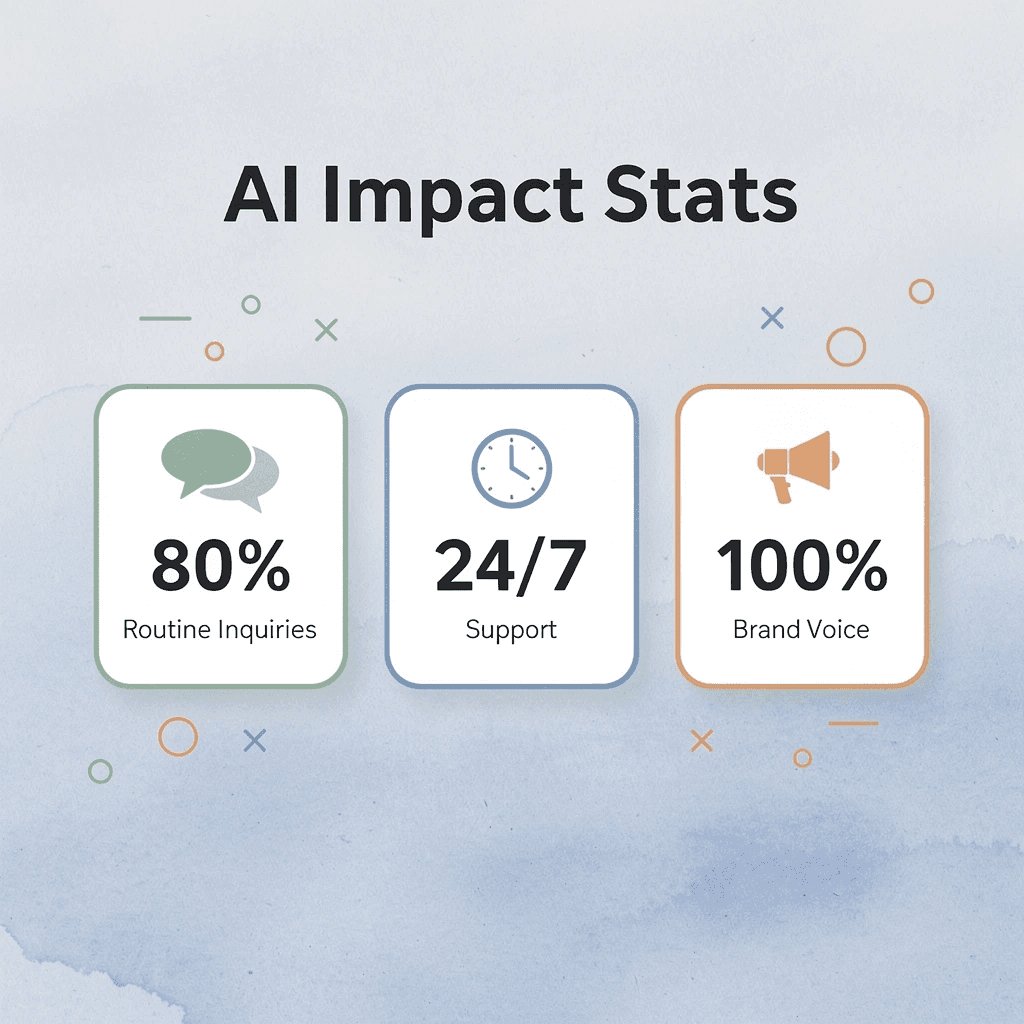
"AI-powered guest communication systems can handle up to 80% of routine inquiries automatically, allowing hotel staff to focus on complex guest needs and personalized service." — Hotel Technology Report, 2024
💡 Tip: The most effective AI communication systems maintain brand voice consistency while adapting responses based on guest preferences, booking history, and real-time hotel availability.
How does AI differ from basic hotel chatbots?
The difference from basic chatbots matters because hospitality AI uses knowledge of who the guest is, what they've booked, and which department should handle the request, whereas a regular chatbot answers common questions from a script.
Hospitality AI recognizes that a guest asking about early check-in is a loyalty member arriving in four hours with a suite reservation, then sends the request to the front desk with all relevant information. This operational layer transforms reactive messaging into organized guest-experience management.
How do fragmented workflows impact guest experience?
Most hotels handle guest requests through fragmented workflows: texts about room preferences, emails about dietary restrictions, booking platform messages about parking, and website chats about spa availability end up in different inboxes. Staff manually compile context, often discovering conflicting information only after the guest arrives.
According to O'Rourke Hospitality's 2024 industry research, AI-powered chatbots can handle up to 80% of routine guest inquiries when integrated with reservation and operational data, rather than functioning as isolated FAQ tools.
Why does internal coordination become so complex?
Inside the system, things become more complicated. Housekeeping needs to know if a guest requested hypoallergenic bedding. Maintenance must address room-specific issues before they result in negative reviews. Guest services should identify upgrade opportunities before sending standard welcome messages.
When communication systems operate independently of operational workflows, teams spend more time locating information than solving problems. Strong AI platforms close that coordination gap by routing requests automatically and updating all related departments simultaneously.
What do guests expect from hotel communication?
Guests expect answers tailored to their specific situation, delivered quickly through any channel. When a guest texts about late checkout, they assume the system knows their departure date, room type, and availability. Generic responses or requests to repeat booking information immediately damage trust.
How does AI improve guest satisfaction scores?
O'Rourke Hospitality's research found that hotels using AI communication tools report a 25% increase in guest satisfaction scores because response consistency improves across touchpoints. A guest booking through an OTA, texting the property, and calling the front desk receives coherent communication rather than disjointed replies from separate systems. This continuity signals operational competence.
What does centralized guest communication look like?
Systems like AI for hospitality consolidate guest conversations from SMS, email, website chat, and booking platforms, while integrating data from property management systems. Our platform escalates issues with full conversation history attached, so guests need not repeat themselves. Automation handles routine tasks while human teams focus on interactions requiring judgment or a personal touch.
Most hotels face communication challenges that go unnoticed until volume exceeds their teams' capacity to handle it.
Related Reading
- Ai For Vacation Rentals
- Ai For Airbnb Hosts
- Artificial Intelligence In Hotel Industry
- Ai Use Cases In Hospitality
- Best Hotel Chatbot
The Biggest Hotel Communication Bottlenecks Teams Underestimate
The biggest problem people don't think about isn't when technology breaks down, but when too much communication happens at once. Hotels must handle guest conversations through SMS, email, OTA messaging platforms, website chat, and internal coordination systems simultaneously. When busy, the number of inquiries grows faster than teams working by hand can manage without losing response quality or making mistakes.
🎯 Key Point: The real communication crisis isn't system failures — it's volume overload across multiple channels that overwhelms manual processes.
"When inquiry volume exceeds team capacity, response quality deteriorates and operational mistakes multiply across all communication channels." — Hotel Operations Research, 2024
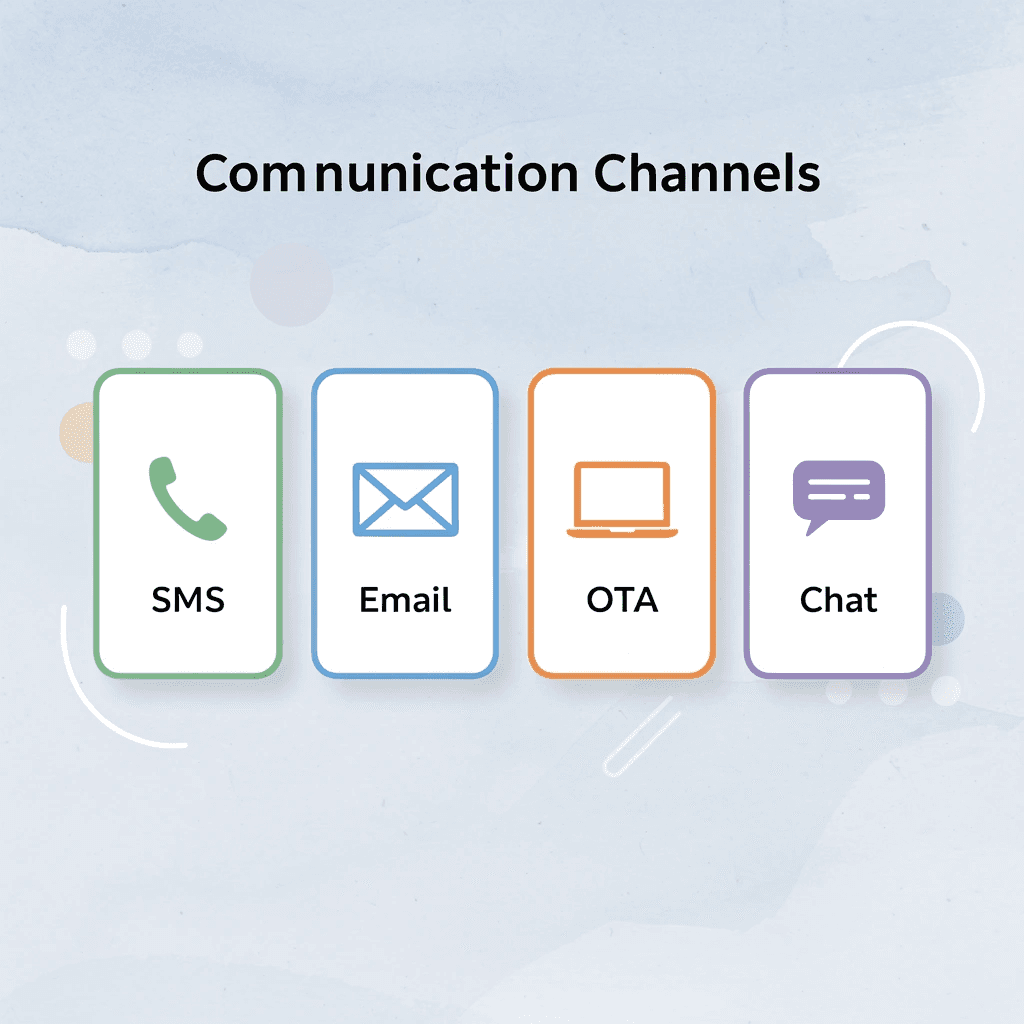
⚠️ Warning: Most hotels underestimate how quickly communication bottlenecks can cascade into guest satisfaction issues and revenue loss during peak periods.
How does guest messaging volume compound faster than teams expect?
A single guest might send three separate messages across different channels within an hour: a text about early check-in, an email about parking validation, a chat question about pool hours. Each message goes into a different system and requires someone to find guest details, verify context, coordinate internally, and respond. When occupancy rises, that workload multiplies across dozens of simultaneous conversations while front desk teams manage arrivals, departures, and in-person interactions.
According to Hotel Technology News, 89% of guests prefer messaging over phone calls, driving rising communication volume. Guests expect fast, personalized digital communication that reflects awareness of their booking, preferences, and history.
Why do disconnected systems create operational bottlenecks?
Most hotel communication systems were never designed to work together smoothly. Messages arrive through disconnected platforms while staff manually copy information between property management systems, housekeeping software, and guest messaging tools. A maintenance request submitted through chat requires manual forwarding. A dietary restriction mentioned through email might never reach the restaurant. Escalations depend on people following through rather than automated routing, leaving urgent requests unresolved when the right team never receives notification.
How does response speed affect hotel revenue opportunities?
How fast you respond directly affects whether guests will purchase extra services. A guest asking about room upgrades or early check-in before arrival presents an opportunity to increase revenue, but delayed responses cause guests to book elsewhere before the hotel can assist. According to Hotel Technology News, hotels using messaging platforms see a 35% increase in upsell revenue. Every hour of delay reduces the likelihood that a guest will accept an upgrade offer or add extra services.
Platforms like Conduit automate conversation routing and integrate directly with property management systems, enabling instant responses to common requests while escalating complex inquiries to human teams with full context. This reduces response times without requiring additional staffing, particularly during occupancy spikes or seasonal demand.
Why do fragmented communication workflows create operational challenges?
But speed alone does not solve the deeper problem. Staff burnout becomes unavoidable when communication workflows depend on repetitive manual coordination. Communication speed now affects guest satisfaction, online reviews, operational coordination, upsell conversion, staff efficiency, and long-term loyalty. Hotels managing continuous guest conversations across the entire stay lifecycle find fragmented workflows difficult to scale consistently without stronger operational coordination.
Most teams don't realize how much time they lose to repetitive inquiries until they measure it. The same questions about WiFi passwords, checkout times, and parking instructions get answered dozens of times per shift. This repetitive workload prevents staff from focusing on high-value interactions that require judgment, empathy, or personalization.
Knowing where communication breaks down is only half the challenge. The harder question is what separates hotels that handle volume gracefully from those that collapse under it.
What High-Performing Hotel AI Communication Systems Do Differently
Not all hotel AI communication platforms work the same way. Many automate basic replies or handle simple FAQs, but high-performing systems like Conduit connect communication directly to the hotel's operational infrastructure.
🎯 Key Point: The difference between basic chatbots and advanced AI lies in operational integration, not just automated responses.
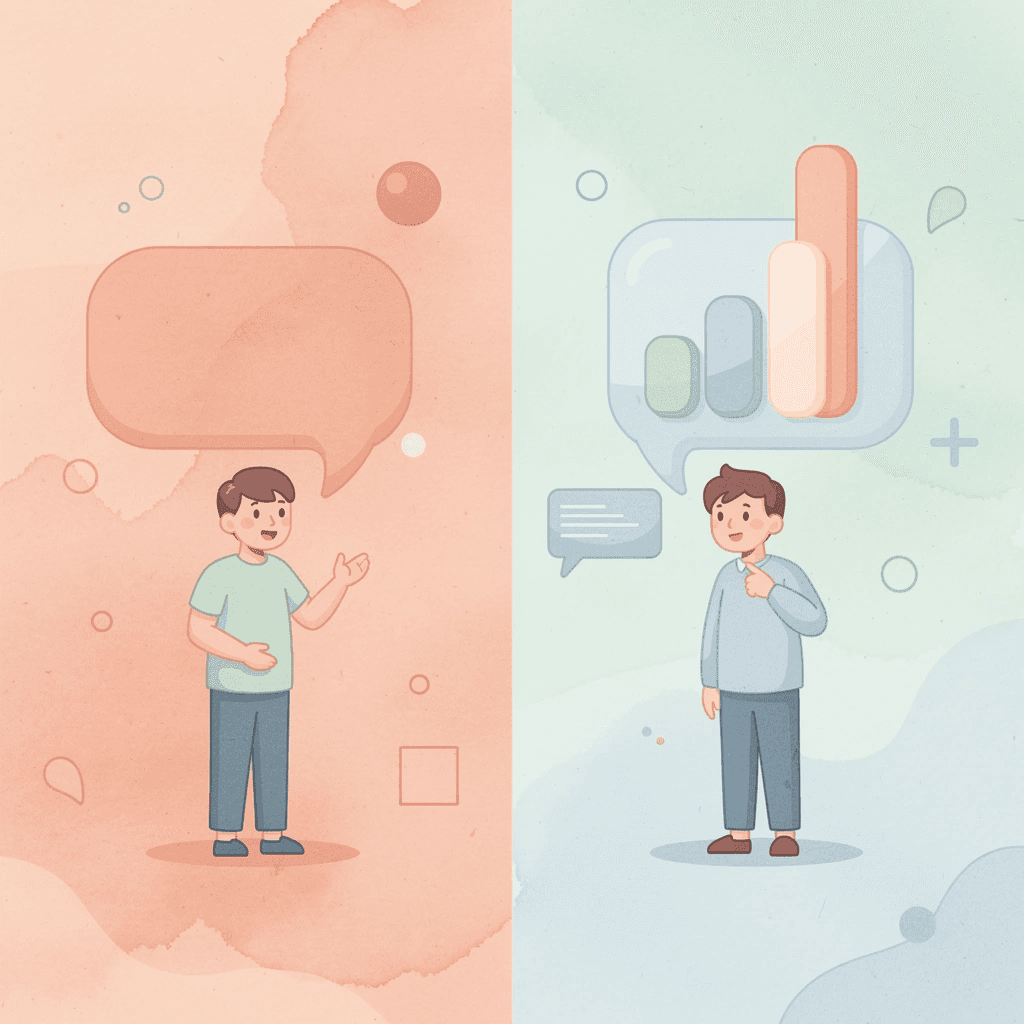
This integration changes everything. Strong AI platforms connect deeply into PMS platforms, reservation systems, guest profiles, operational workflows, and internal escalation processes. Rather than generic scripted answers, our Conduit system understands the context of each guest interaction.
"High-performing hotel AI systems don't just automate responses—they integrate operational intelligence to deliver contextually relevant guest experiences." — Hotel Technology Research, 2024
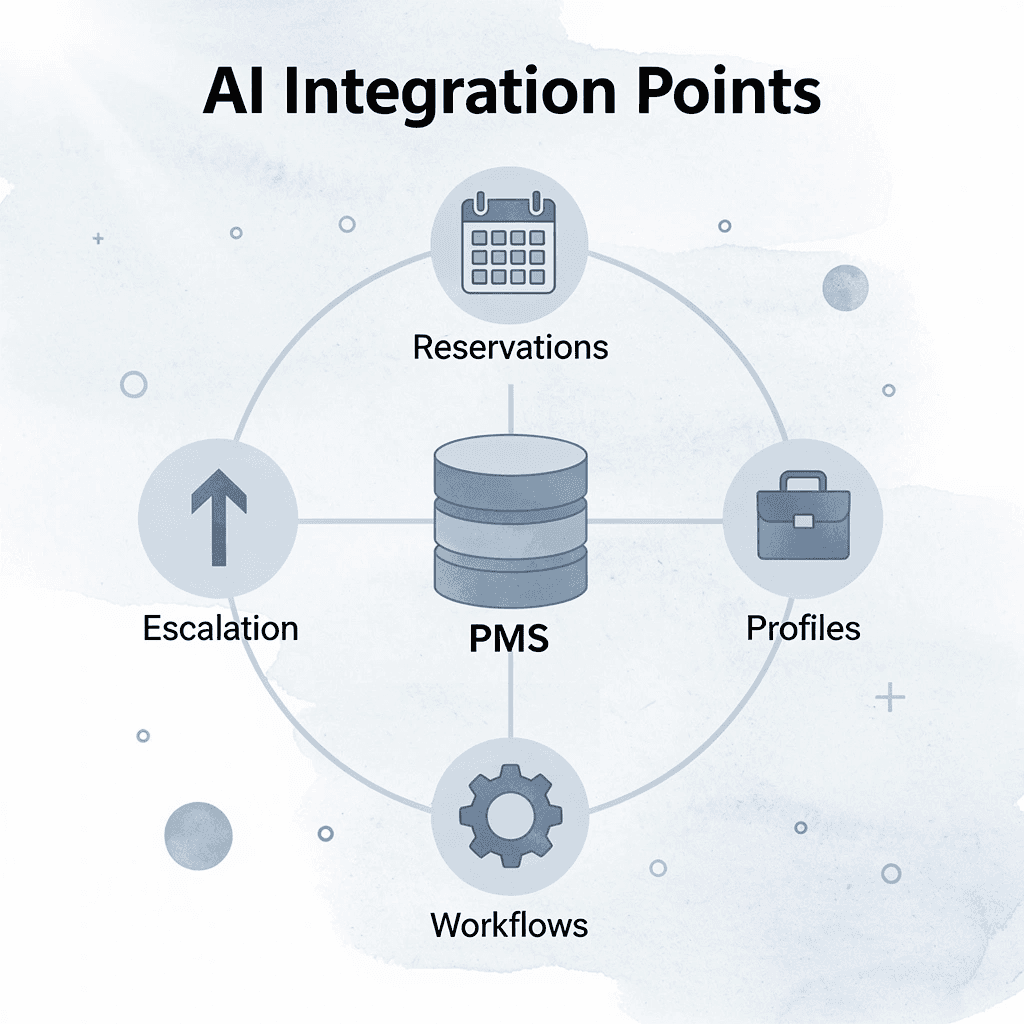
💡 Best Practice: Look for AI platforms that offer deep integration capabilities rather than surface-level automation when evaluating communication solutions.
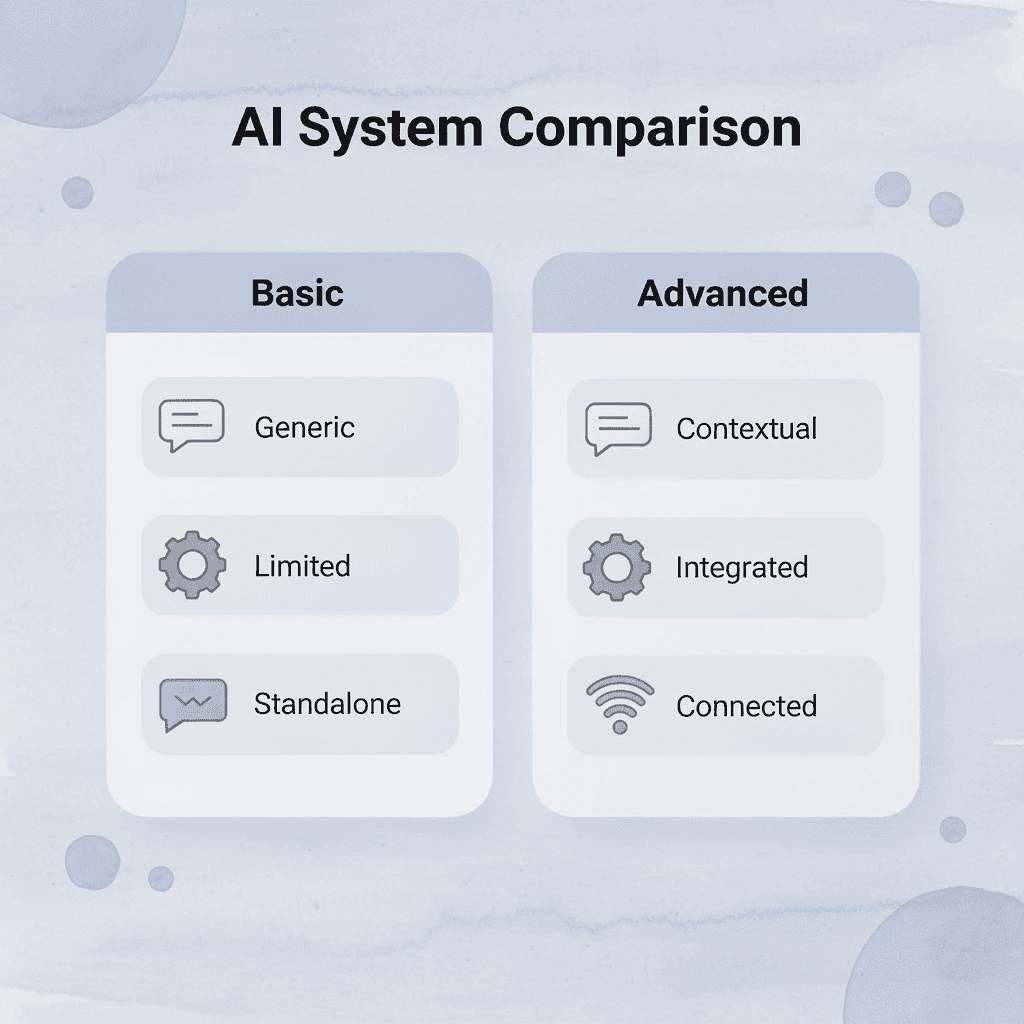
How do AI systems recognize guest booking details and preferences?
When a guest asks about early check-in, the AI can determine whether the guest has an existing reservation, the arrival time, room availability, loyalty status, or property-specific policies tied to the booking. This contextual awareness enables operationally accurate rather than generic responses. Lighthouse's research on AI in hospitality found that high-performing hotel AI communication systems handle 85% of guest inquiries without human intervention because they access operational data that makes responses useful rather than merely polite.
How does AI improve internal communication between hotel departments?
Stronger AI systems automatically route issues to the right department while preserving all communication details. This improves message routing within the hotel, giving housekeeping, maintenance, front desk, and guest services teams a clearer picture of guest needs and ongoing actions.
Proactive engagement that anticipates guest needs
High-performing systems automatically initiate outreach based on bookings, arrivals, check-ins, purchases, or stay milestones, creating opportunities for upgrades, late-checkout offers, extensions, and personalized messaging before problems arise. This reduces repetitive work, accelerates problem-solving through accurate routing, and improves cross-departmental collaboration by providing centralized visibility into communication.
Platforms like AI for hospitality shift from reactive to proactive communication by identifying patterns in booking behavior, stay preferences, and service requests to initiate conversations at optimal times. Our AI agents help hotels achieve automation rates between 65% and 96% whilst maintaining full control over which interactions require human judgment.
Multi-channel consistency that preserves operational continuity
A guest should not receive different experiences through SMS, OTA messaging, and email depending on which staff member responds first. High-performing systems create continuity across communication channels so guests experience the property consistently throughout the stay lifecycle.
How should hotels evaluate AI communication platforms in terms of operational impact?
Many hotels misjudge AI communication platforms by evaluating only whether the system answers questions independently. Instead, assessment should focus on operational impact: How well does it integrate with existing systems? Can it reduce repetitive work? Does it accelerate problem resolution? Can it support proactive revenue workflows? Does it maintain visibility across all teams?
The best hotel AI communication systems function as operational coordination tools, enabling hotels to manage guest communication with greater accuracy, proactivity, and consistency at scale.
What happens when AI reshapes how hotel teams work?
Efficiently handling volume is only part of the picture. The harder shift occurs when AI stops being another tool and starts reshaping how teams work.
Why AI Communication Becomes an Operational Advantage Instead of Just Automation
AI communication systems become useful when they move from handling single guest requests to coordinating work across departments. This appears in how quickly housekeeping learns about early check-in approvals, how revenue teams find upsell opportunities during conversations, and how front desk staff stop forwarding the same parking question to multiple people. Communication speed stops being a guest satisfaction metric and starts affecting how the entire property operates.
🔑 Key Point: The real value of AI communication isn't in automating individual tasks—it's in creating seamless information flow that makes your entire team more efficient.
"Communication speed stops being just a guest satisfaction metric and starts affecting how efficiently the entire property operates." — EHL Research, 2024
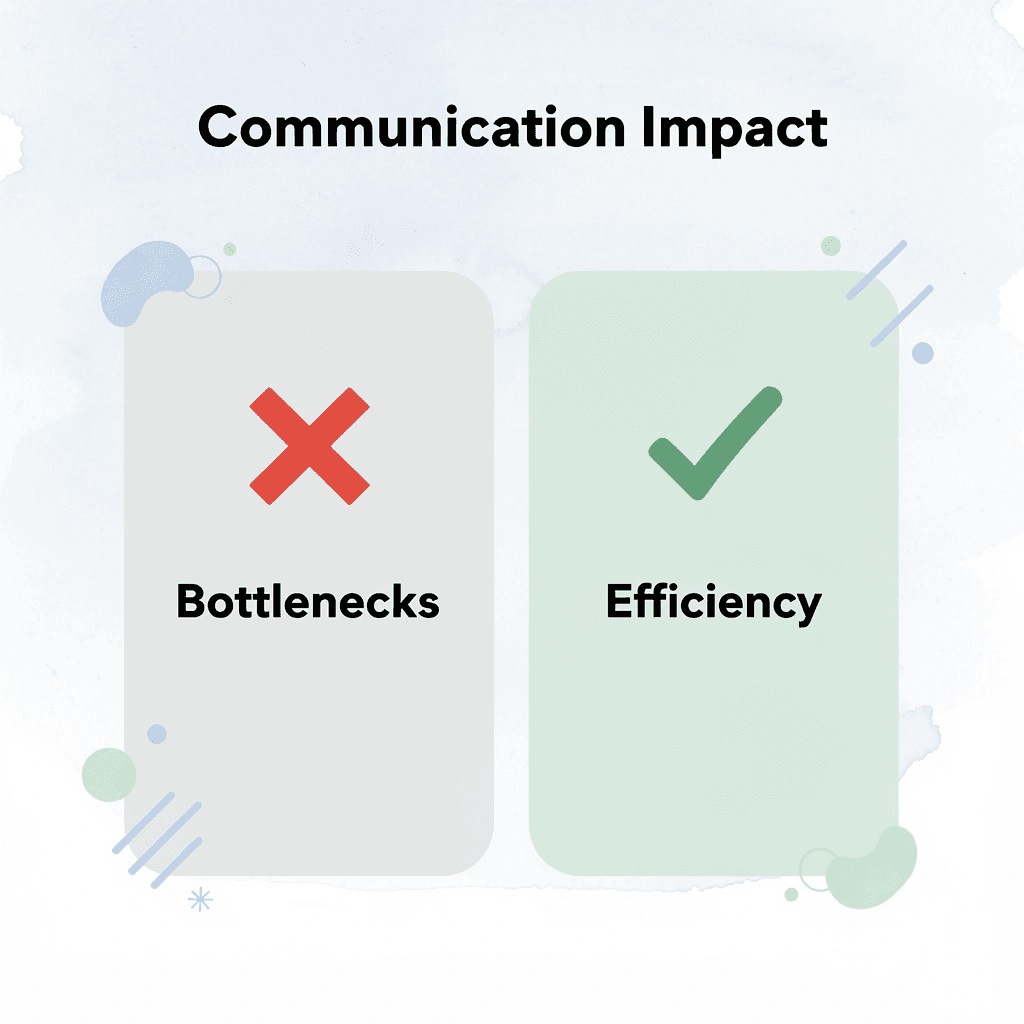
💡 Operational Advantage: When AI systems coordinate between departments, they eliminate the communication delays that typically slow down service delivery and create operational bottlenecks.
How does timing impact revenue capture opportunities?
When a guest requests late checkout, it affects how much extra revenue a hotel can generate. A request at 9 AM creates different revenue opportunities than the same request at 2 PM. AI systems that recognise booking context, occupancy patterns, and guest history can suggest room upgrades, spa appointments, or dining reservations when guests are most receptive. According to S-PRO research, 39% of leading AI technologies include robotic process automation, enabling these systems to execute multi-step workflows without manual intervention.
Why do manual teams miss revenue windows?
Manual teams miss these windows constantly. A loyalty member asks about pool hours while booking a massage on the website. By the time staff manually connect those requests, the guest has already made dinner plans elsewhere. AI systems that centralize communication visibility can identify the pattern and suggest the hotel restaurant before the opportunity closes.
How does centralized visibility prevent communication breakdowns?
When departments fail to communicate, business operations slow. If a guest reports a maintenance problem via text, requests extra towels via email, and questions a checkout extension through the booking platform, three separate teams receive incomplete information. Staff duplicate work, guests repeat their needs, and resolution times stretch unnecessarily.
How do unified workflows improve staff efficiency?
Platforms like Conduit consolidate conversations in one place where every team member can access the guest's full history. A front desk worker handling checkout can immediately see the maintenance ticket from two days ago and housekeeping notes from this morning without asking the guest to repeat themselves. This visibility reduces time spent searching for information and increases time spent solving problems.
How does automation create capacity for better hospitality?
The misconception that AI replaces human service misses how operational capacity works. Front desk teams spend significant portions of their day answering repetitive questions about WiFi passwords, parking validation, and breakfast hours. These interactions consume time without requiring the judgment, empathy, or service recovery skills that define exceptional hospitality.
When AI handles repetitive volume, staff capacity shifts toward interactions that benefit from human attention.
What interactions truly require human judgment?
A guest upset about the room temperature needs understanding and quick problem-solving. A family arriving tired after flight delays needs someone who can arrange early check-in, store their luggage, and suggest nearby restaurants while their room is being prepared.
These moments create memorable experiences because they require human judgment. AI communication systems eliminate workflow obstacles that prevent teams from focusing on these interactions when they matter most.
But understanding operational advantage matters only if the system integrates with how hotels already work.
Related Reading
- Hotel Automation Tools
- Ai Chatbot For Hotels
- Ai Tools For Hotels
- Hotel Chatbot
- Airbnb Automation Tools
- Ai Agents For Hotels
- Guest Communication Tools
How Conduit Helps Hotels Automate Guest Communications Across Every Channel
The way to fix broken hotel communication is to bring all workflows together through one system that understands booking context, routes messages intelligently, and escalates issues with full operational detail already attached. Our Conduit platform connects communication directly into the property's operational infrastructure instead of treating each guest inquiry as an isolated support ticket.
🎯 Key Point: Conduit eliminates communication silos by creating a unified workflow where every guest interaction has complete context from booking history to current operational status.
"Unified communication systems reduce guest response times by 40% and increase staff efficiency by 25% compared to fragmented messaging approaches." — Hotel Technology Report, 2024
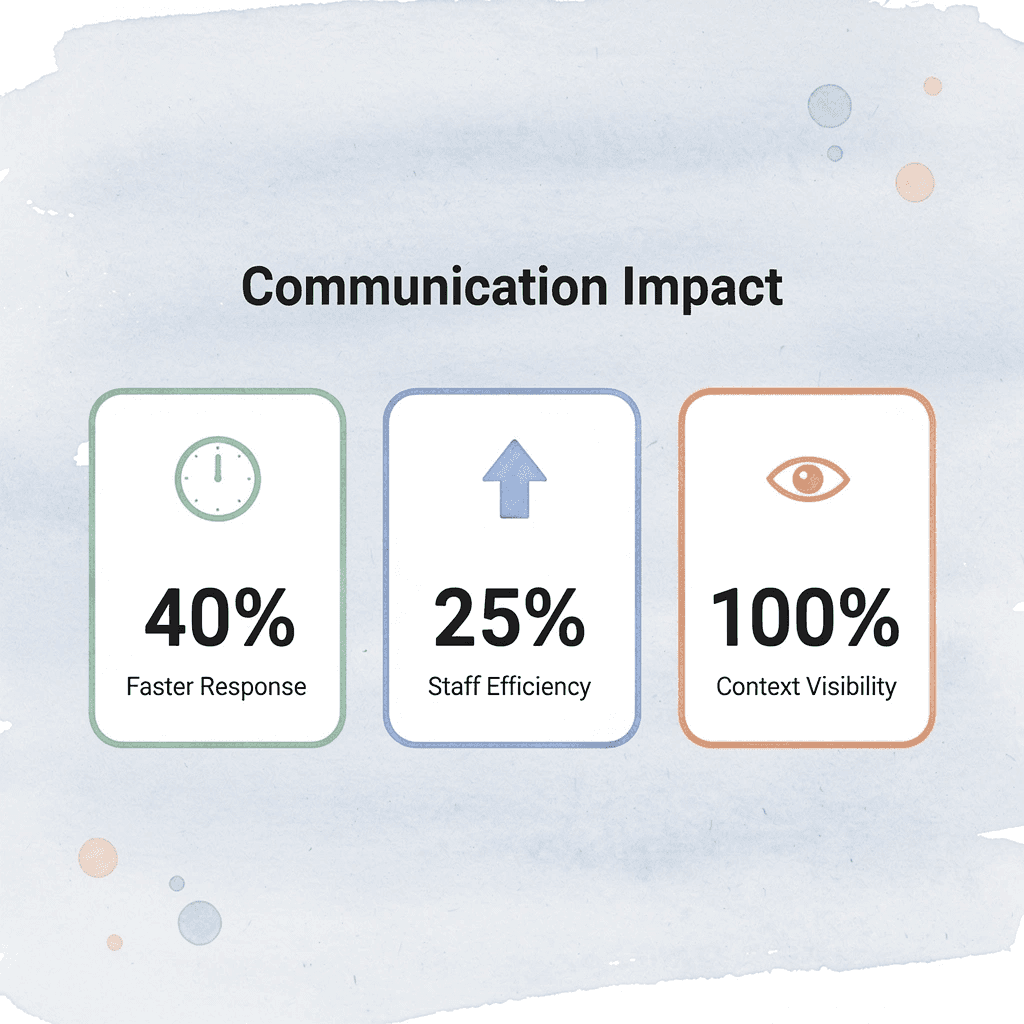
💡 Tip: The most successful hotel communication strategies treat each guest message as part of a continuous relationship, not as a standalone support request that requires starting from scratch every time.
Reservation-Aware Messaging That Reflects Actual Guest Context
Generic chatbot scripts fail because they lack access to reservation details needed for accurate responses. A guest asking about early check-in requires an answer considering their specific room type, arrival time, party size, and loyalty status. Systems connected to property management platforms automatically retrieve this information. When a loyalty member requests late checkout by text while housekeeping schedules show available rooms, the response reflects both the guest's status and actual availability. Conduit reports that hotels using their platform can automate 80% of inquiries because the system knows the guest's room, arrival time, and which departments need notification when plans change.
Proactive Outreach Tied to Guest Lifecycle Events
Reactive support solves problems after guests ask. Proactive messaging creates revenue opportunities before guests make external plans. Hotels can automate outreach triggered by booking confirmations, pre-arrival windows, check-in completion, or in-stay purchases. A guest booking a spa appointment receives a dining suggestion timed for after their treatment.
A family checking in during peak season receives an automated upgrade offer within the first hour, when conversion likelihood is highest. These workflows run without manual intervention as the system monitors reservation data and triggers communication based on operational events.
Cross-Channel Coordination Without Manual Forwarding
Guests expect consistent answers regardless of contact method—whether texting the front desk, emailing reservations, or messaging through the booking platform. Most hotel teams struggle because each channel operates independently, with staff manually routing messages between departments and losing information at every handoff. Centralized communication platforms route inquiries by content and urgency while preserving the full conversation thread.
When a guest texts about pool hours, emails about parking, and chats about restaurant reservations within the same afternoon, the system recognizes it's the same guest and connects those requests to their booking profile. Front desk teams see unified guest communication history instead of fragmented messages scattered across six different inboxes.
Internal Escalation With Operational Context Already Attached
The biggest time drain in hotel communication isn't answering questions—it's gathering the information needed to answer them correctly. When a maintenance issue gets escalated, the technician needs the room number, guest arrival date, issue description, and any previous related requests.
Manual escalation requires staff to spend minutes pulling details from multiple systems before work begins. Automated routing attaches that context immediately. A guest reporting a temperature issue triggers an escalation to maintenance with the room number, current occupancy status, and guest check-out date already included.
According to Conduit's research, hotels resolving 95% of guest inquiries automatically do so because systems handle routine coordination while humans focus on service-sensitive situations requiring judgment.
Why does real-world testing matter for hotel communication systems?
Understanding how the system works matters only if you can see it handling real guest scenarios in your operational environment.
Book a Demo to See Conduit's AI for Hospitality Customer Service in Action
Seeing how AI handles guest communications in theory is different from watching it solve a pre-arrival upgrade request while coordinating housekeeping and triggering a personalized dining offer. The system's ability to manage multi-step workflows across your tech stack with your guest data and operational constraints becomes clear only when you observe it in your environment.
🎯 Key Point: Live demonstrations reveal the true power of AI automation in ways that static descriptions simply cannot match.
"Hotels are achieving 80-95% automation rates while maintaining service quality through AI-powered guest communications." — Career Trainer AI, 2024
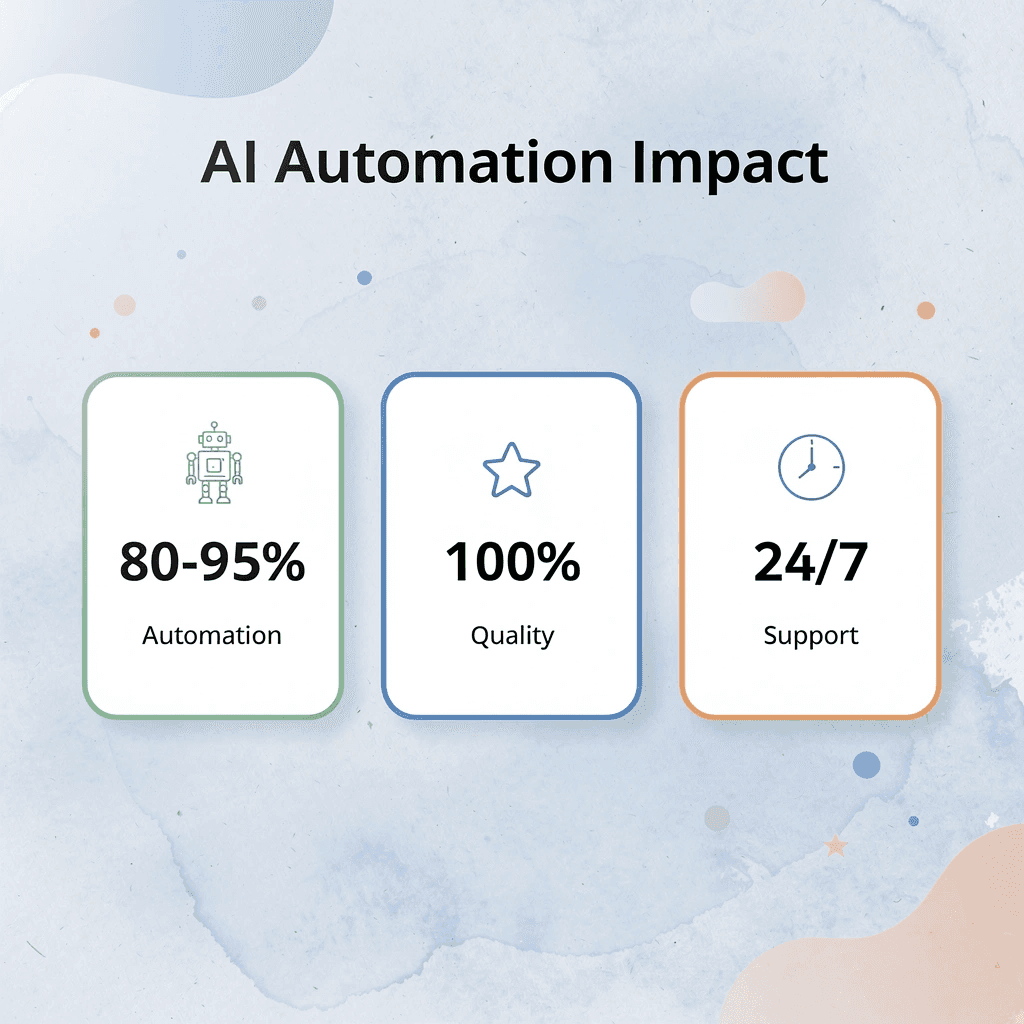
Book a demo with Conduit to see how our AI communications automate guest support, unlock proactive revenue opportunities, and streamline operational coordination across your hospitality tech stack. You'll see the system handle guest scenarios, integrate with your existing platforms, and learn how hotels achieve 80-95% automation while maintaining service quality.
🔑 Takeaway: A personalized demo shows you exactly how Conduit's AI will transform your guest experience and operational efficiency within your specific hospitality environment.
Related Reading
- Duve Pricing
- Airbnb Automated Messages
- Ai Software For Hotels With Best Reviews
- Best Ai For Hotels
- Property Management Ai Tools
- Hijiffy Pricing
- Hotel Automation Software
- Enso Connect Pricing


.svg)
