11 Best Guest Communication Tools for Hotels in 2026


11 Guest Comms Tools
Every channel in one inbox
A hotel guest texts at midnight asking about breakfast hours. Another email about their airport shuttle. Someone else calls the front desk about WiFi access while your team is already handling three other requests. This scenario repeats daily at hotels worldwide, where guest messaging, email management, phone calls, and service requests compete for staff's limited attention.
The right AI communications for hotels can transform these chaotic interactions into streamlined operations. Modern guest communication tools offer automated messaging, multi-channel support, and smart routing capabilities that ensure consistent service quality. Properties need unified platforms that handle text messages, emails, and chat requests without overwhelming their teams. AI for hospitality provides hotels with intelligent systems that manage every guest touchpoint, ensuring no question goes unanswered even during peak hours.
Table of Contents
- Why Hotels Are Investing in Better Guest Communication Tools
- What Are Guest Communication Tools?
- 11 Best Guest Communication Tools for Hotels
- What Makes a Guest Communication Tool Actually Effective?
- How Hotels Should Compare Guest Communication Platforms
- How Conduit Helps Hotels Modernize Guest Communication
- Book a Demo to See Conduit's AI for Hospitality Customer Service in Action
Summary
- Guest expectations have shifted dramatically, with 89% now preferring messaging over phone calls when communicating with hotels. This preference spans all demographics and reflects broader digital habits from retail, banking, and other industries. Hotels that ignore this shift risk losing bookings to competitors offering the communication channels guests actually want to use.
- Response speed directly impacts satisfaction, with response times under 5 minutes leading to 40% higher guest satisfaction scores. However, speed only matters when responses actually solve problems. Generic replies lacking reservation context force guests to repeat information and staff to manually look up details across disconnected systems.
- Hotels using messaging platforms see a 25% increase in upsell revenue, but only when those platforms integrate deeply enough with property systems to identify opportunities and execute offers without manual intervention. The gap between messaging capability and revenue impact comes down to operational integration, not just communication features.
- Hotels implementing AI-powered messaging see a 40% reduction in response time while achieving 70-90% automation rates on routine inquiries. This automation enables scaling operations without proportionally increasing staff, turning guest communication from a resource drain into a competitive advantage that improves both efficiency and satisfaction.
- Personalized communication can boost repeat bookings by up to 40%, but it requires data integration that connects guest profiles, reservation history, and preference information to communication platforms. The strongest solutions don't just facilitate conversations; they coordinate service delivery across departments while maintaining full conversation context across every channel.
- AI for hospitality addresses this by connecting guest communication with operational workflows, routing requests automatically to housekeeping, maintenance, and front desk teams while maintaining conversation context across SMS, email, chat, and other channels.
Why Hotels Are Investing in Better Guest Communication Tools
What guests expect has changed dramatically. Travelers now want hotels to match the ease of stores, airlines, and banks. They expect quick answers through their preferred communication channels: SMS, WhatsApp, website chat, email, or OTA messaging.
🎯 Key Point: Modern guests expect the same level of digital convenience from hotels that they receive from other service industries.
Guest expectations have evolved beyond traditional hospitality—they now demand seamless digital communication across all touchpoints.
💡 Best Practice: Hotels that invest in multi-channel communication tools can meet guests where they already are, rather than forcing them to adapt to outdated systems.
Traditional Communication vs Modern Guest Expectations
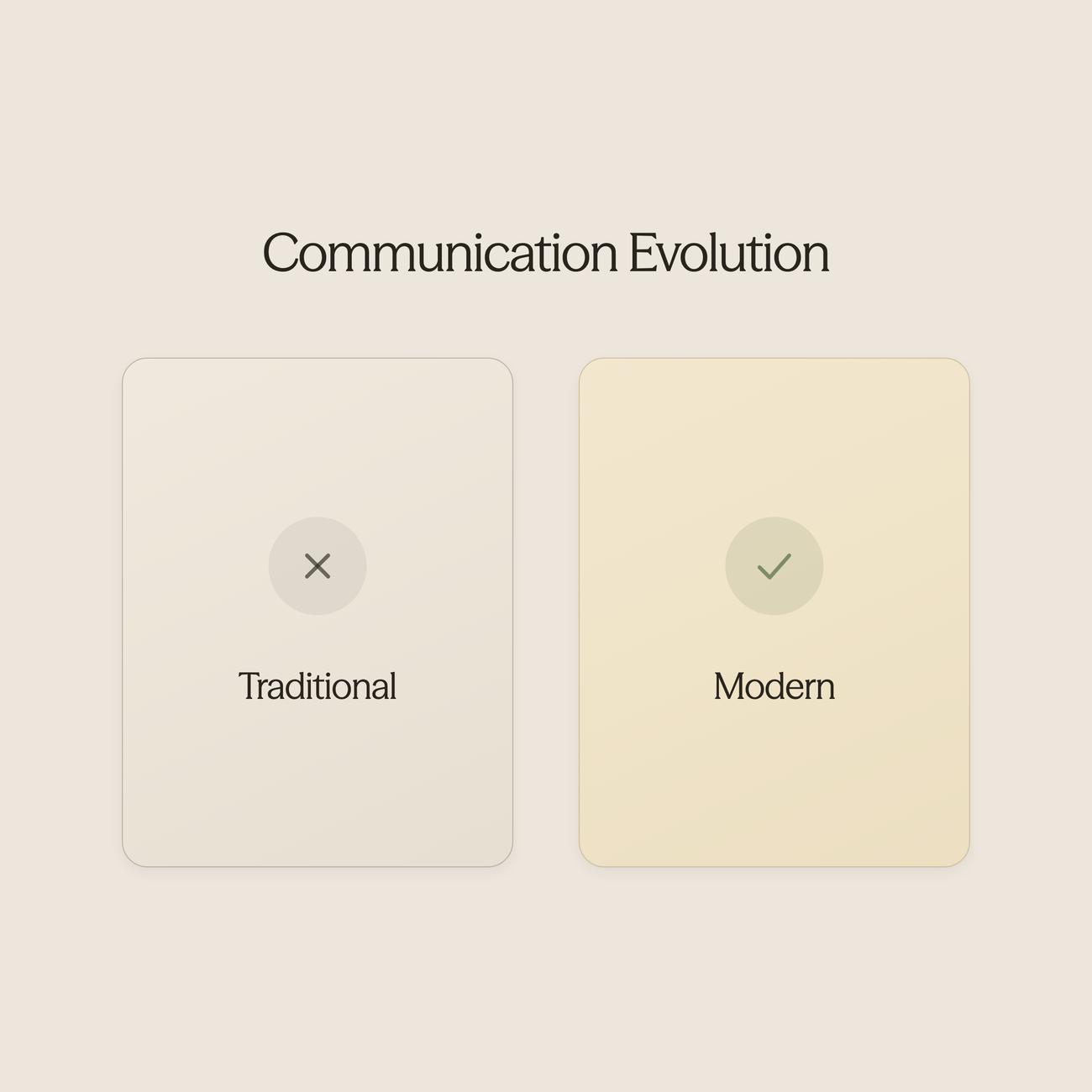
- Communication channels
- Traditional: Phone calls only
- Modern: Multi-channel options (SMS, WhatsApp, chat, email)
- Availability
- Traditional: Limited to business hours
- Modern: 24/7 availability
- Response style
- Traditional: Manual responses with delays
- Modern: Instant answers via automation + AI support
- Platform experience
- Traditional: Single communication channel
- Modern: Unified omnichannel system
What do guest preferences reveal about communication trends?
The data is compelling. According to Hotel Technology News, 89% of guests prefer messaging over phone calls. This preference spans all age groups, and hotels that ignore it risk losing bookings to competitors offering preferred communication methods.
Why don't more channels automatically improve guest communication?
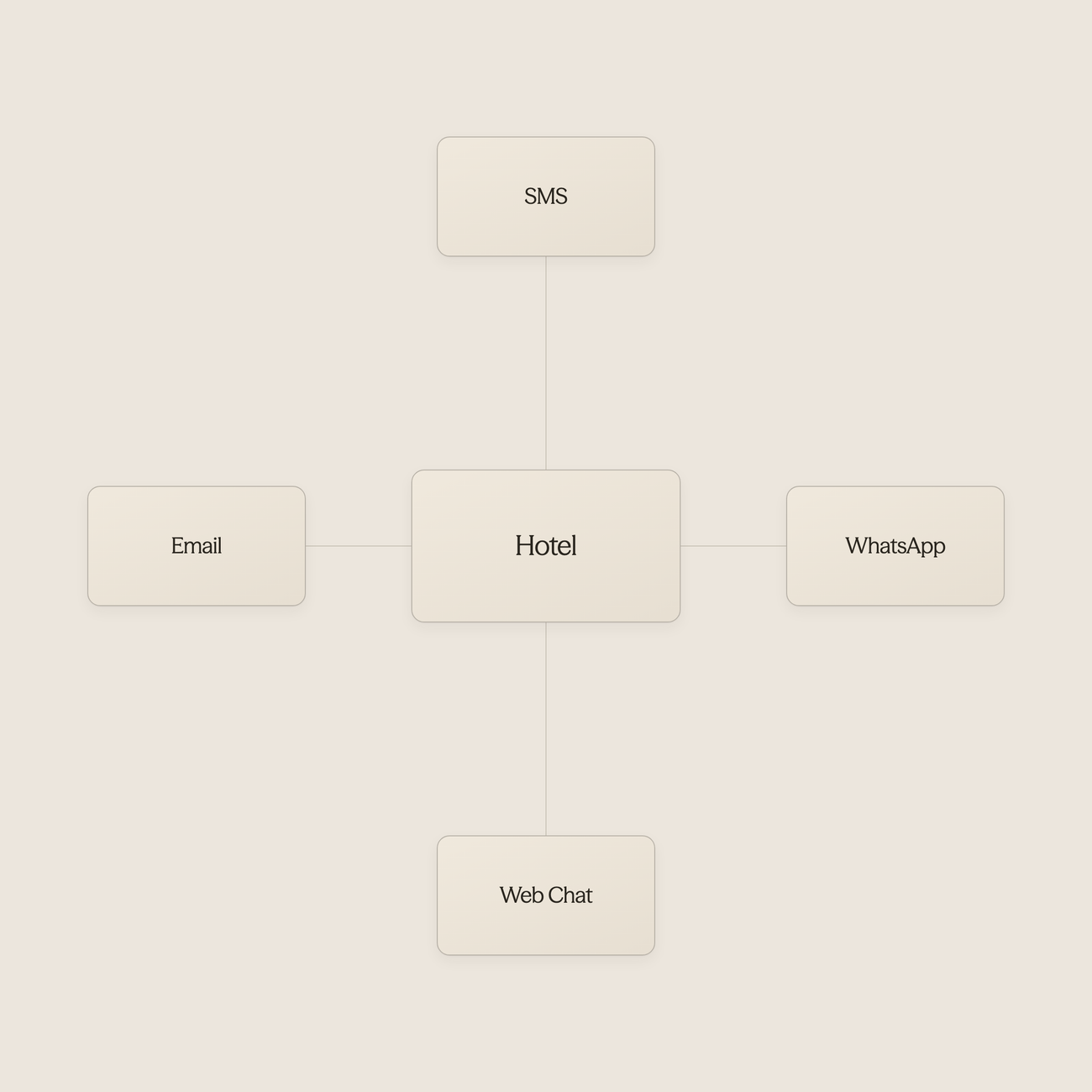
Many hotels have added more channels, but that doesn't guarantee better communication. Service teams often monitor multiple inboxes, switch between systems, and manually transfer information between departments. A guest might submit a request through website chat, follow up via text message, and then call the front desk because no one can easily track the conversation across platforms.
What are the real costs of fragmented guest communication?
The result is a familiar set of operational challenges: slow response times during peak periods, guest conversations fragmenting across channels, staff spending hours on routine inquiries that could be automated, missed or delayed service requests, poor visibility into guest interactions, and lost revenue opportunities from missed upgrade or spa booking follow-ups.
These problems have real business consequences. Delays reduce satisfaction and loyalty in an industry where guest experience directly affects reviews, repeat bookings, and brand perception. Communication breakdowns impact revenue.
How do modern platforms solve communication challenges?
The strongest solutions connect communication with reservation systems, guest profiles, operational workflows, and service delivery. They route requests to the right departments, maintain conversation context across channels, support proactive guest engagement, and create opportunities for upgrades and ancillary purchases.
Modern guest communication platforms function as operational systems rather than messaging tools alone. Solutions like AI for hospitality unify every guest touchpoint through intelligent automation that learns from each interaction, routing requests to the right teams while maintaining conversation context across SMS, email, chat, and other channels.
Hotels gain a single platform that scales service capacity without adding headcount, automates routine inquiries, and frees staff to focus on requests requiring human attention. Understanding what these platforms do requires looking beyond the marketing promises.
Related Reading
- AI Guest Communication Guide
- AI For Vacation Rentals
- AI For Airbnb Hosts
- AI Use Cases In Hospitality
- Best Hotel Chatbot
What Are Guest Communication Tools?
What guest communication tools actually include
Guest communication tools consolidate hotel-guest interactions across multiple touchpoints: SMS, WhatsApp, email, website chat, and OTA messaging before arrival, during the stay, and after checkout. They streamline interactions, ensure consistency, and reduce staffing needs.
How do modern platforms automate guest service operations?
Modern platforms automate service requests, route maintenance tickets, trigger contextual workflows based on reservation events, and answer common questions through AI-powered assistance. According to HiJiffy, 80% of guests expect instant responses, making automation an expectation rather than a convenience. The strongest tools connect conversations directly to operations, turning a guest's housekeeping request into an assigned task or a checkout question into a documented interaction that informs future service.
Why the category evolved beyond messaging
Guest communication software once focused solely on sending bulk messages via email or SMS. Today's guests demand personalized service, quick answers, and seamless omnichannel experiences. Meanwhile, hotels face labor constraints that make traditional staffing difficult.
This pressure transformed guest communication tools into operational automation platforms. The best solutions organize service delivery, automate routine tasks, and create workflows that let staff focus on requests requiring human attention. When a guest messages about a broken air conditioner, the platform automatically creates a maintenance ticket, notifies the engineering team, and updates the guest without manual intervention across multiple systems.
What makes AI different from basic chatbots?
AI-powered guest assistance has evolved from an experimental feature to an operational necessity. These tools handle property inquiries, booking questions, local recommendations, and after-hours guest support. Modern AI agents differ from basic chatbots in that they adapt by learning from conversations, gaining new abilities over time, and handling complete workflows without constant human intervention.
How do hotels achieve high automation rates?
Platforms like Conduit help hotels handle 70-90% of routine questions automatically while maintaining conversation quality that guests value. Our AI for hospitality solution enables properties to automate guest interactions without sacrificing the personalized experience that drives loyalty. Teams managing hundreds of properties find that AI enables operational growth without a proportional increase in staff. This transforms guest communication into a competitive advantage while improving efficiency and guest satisfaction. But knowing what these tools can do matters less than understanding which ones deliver on those promises.
11 Best Guest Communication Tools for Hotels
The right guest communication platform solves your property's specific problems. Some hotels need messaging automation to handle inquiry volume, while others need workflow coordination to connect guest requests to housekeeping, maintenance, and the front desk. Still others prioritize upselling or direct booking conversion. The best tool for a 50-room boutique property differs significantly from solutions for 500-property portfolios.
💡 Tip: Match your communication tool to your property's primary pain point—whether that's volume management, revenue optimization, or operational coordination.
According to Hotel Technology News, hotels using messaging platforms see a 25% increase in upsell revenue when those platforms integrate deeply with property systems to identify opportunities and execute offers without manual intervention.
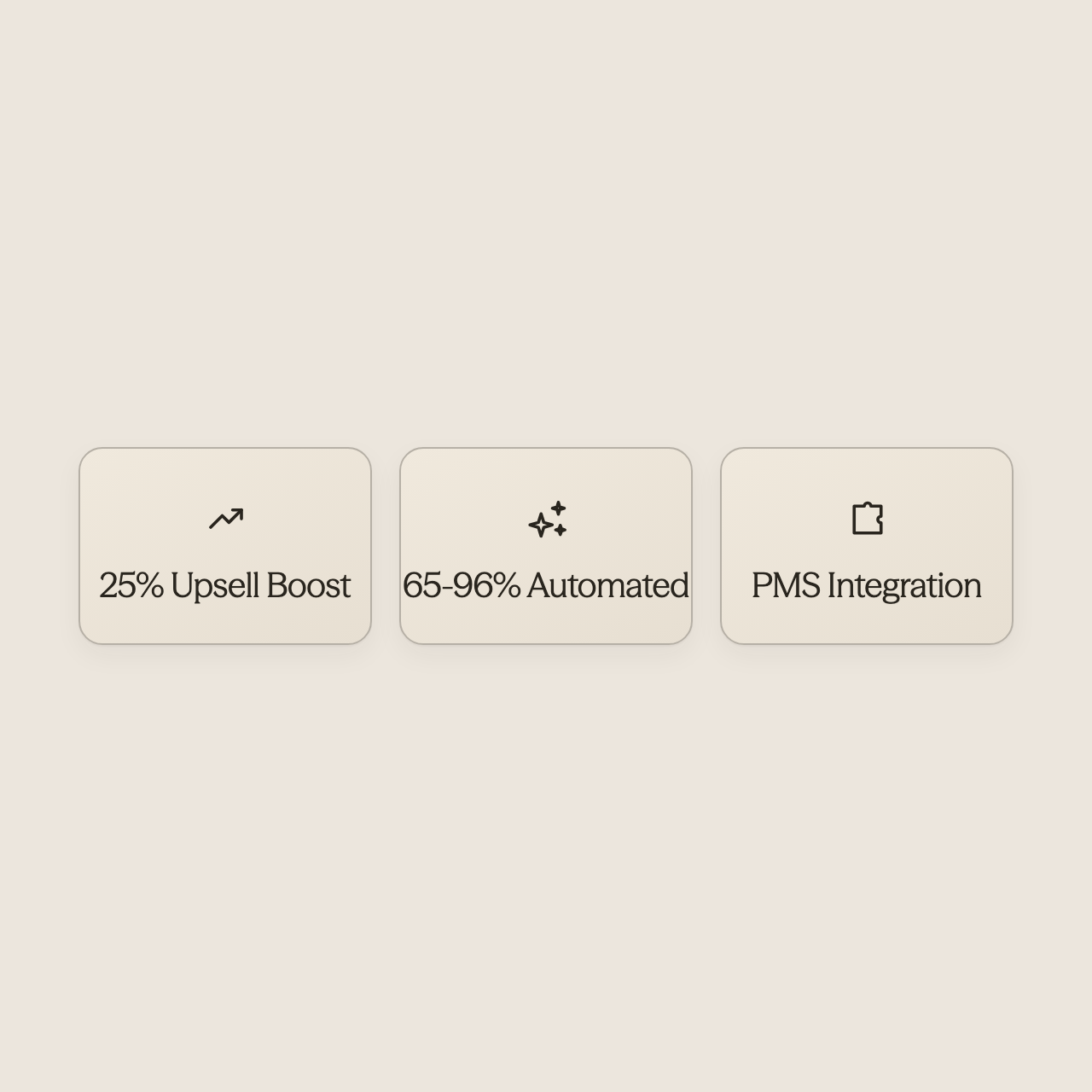
"Hotels using messaging platforms see a 25% increase in upsell revenue—but only when those platforms integrate deeply enough with property systems." — Hotel Technology News, 2025
🔑 Key Takeaway: The revenue impact depends entirely on integration depth—surface-level messaging tools won't deliver the same results as platforms that connect with your PMS, CRM, and operational systems.
Here are 11 guest communication tools to evaluate based on your operational priorities.
1. Conduit

Conduit connects guest communication with operational automation in a single platform for hospitality organizations. The platform coordinates guest interactions with hotel systems, internal workflows, and service delivery teams.
How does Conduit handle omnichannel communication and automation?
The platform manages guest communication across all channels while automating operational tasks such as maintenance routing, service request coordination, and revenue opportunity identification. AI learns from interactions to improve response quality and expand automation coverage. Deep integrations with property management systems, channel managers, and operational tools trigger appropriate workflows without manual handoffs.
What results do properties achieve with Conduit?
Properties using Conduit achieve 70-90% automation for guest questions while maintaining the conversation quality guests appreciate. Teams managing hundreds of properties can scale operations without a proportional increase in staff, transforming guest communication into a competitive advantage that improves both efficiency and satisfaction.
Best fit
Hotels seeking guest communication and operational automation from a single, scalable platform.
2. Canary Technologies
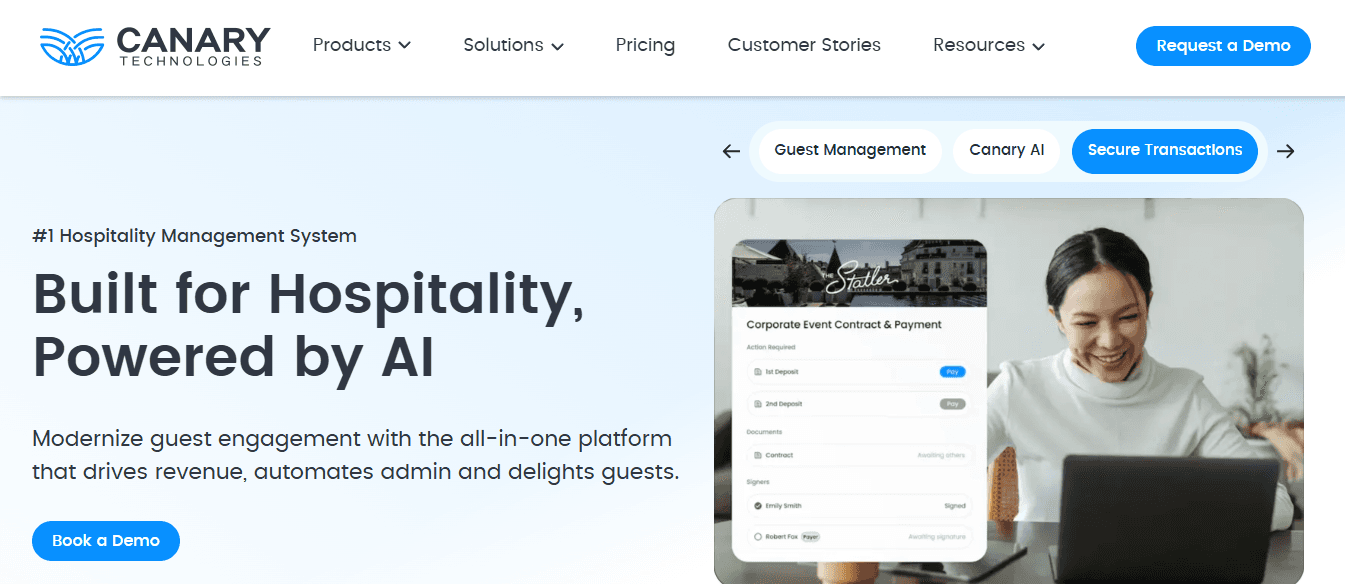
Canary Technologies modernizes guest-facing interactions throughout the stay lifecycle by combining guest messaging, digital check-in, contactless service delivery, and upselling functionality to generate incremental revenue. Canary also sells AI Voice, which answers calls 24/7 and handles bookings and modifications, and an AI Agent Studio for building custom hotel agents. The platform creates smooth experiences from pre-arrival through checkout. Digital journey tools reduce front desk workload while giving guests control over arrival, room preferences, and service requests. Upselling capabilities surface upgrade opportunities at high-conversion moments.
Best fit
Hotels are prioritizing guest-facing digital experiences and revenue generation through automated upselling.
Potential limitations
Operational workflow automation may not extend as deeply into back-of-house coordination as broader operational efficiency platforms.
3. Cloudbeds Guest Experience (formerly Whistle)
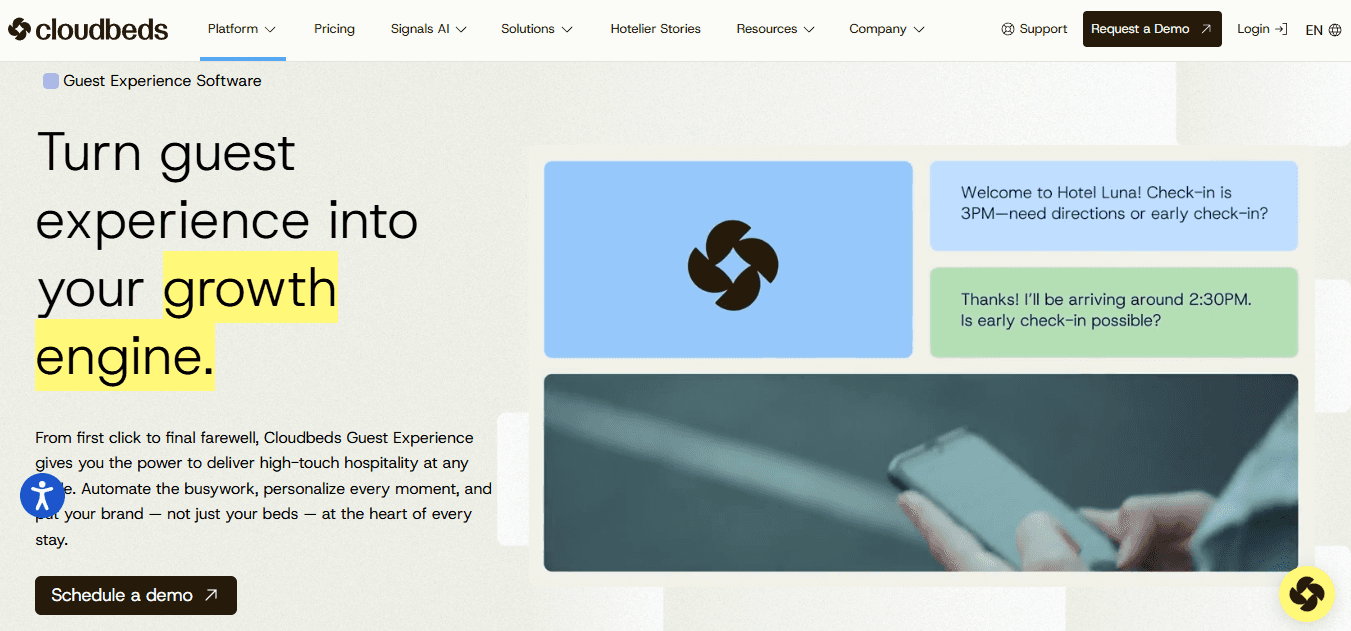
Whistle enables guests to communicate through text-based conversations and automated messaging workflows built into Cloudbeds, reducing manual communication work for staff. When Whistle integrates with Cloudbeds, information flows between guest profiles, reservation details, and communication history. Automated messages triggered by booking events reduce the need for repetitive manual outreach.
Best fit
Properties operating within Cloudbeds that need built-in communication capabilities without separate tools.
Potential limitations
Organizations using different property management systems may find limited value in integrations that work only within the Cloudbeds ecosystem.
4. HiJiffy

HiJiffy specializes in conversational AI for guest inquiries, reservation assistance, and customer service. The platform handles common questions, provides information, and supports booking processes across multiple languages. Multilingual capabilities make HiJiffy valuable for properties serving international guests. AI automates routine inquiries, freeing staff to handle complex requests, while booking-assistance features convert inquiries into reservations.
Best fit
Hotels prioritizing AI-driven guest engagement and conversational automation, particularly those with significant international guest volumes.
Potential limitations
Properties requiring extensive workflow automation that connects guest communication to operational task management should carefully evaluate the depth of integration.
5. Asksuite
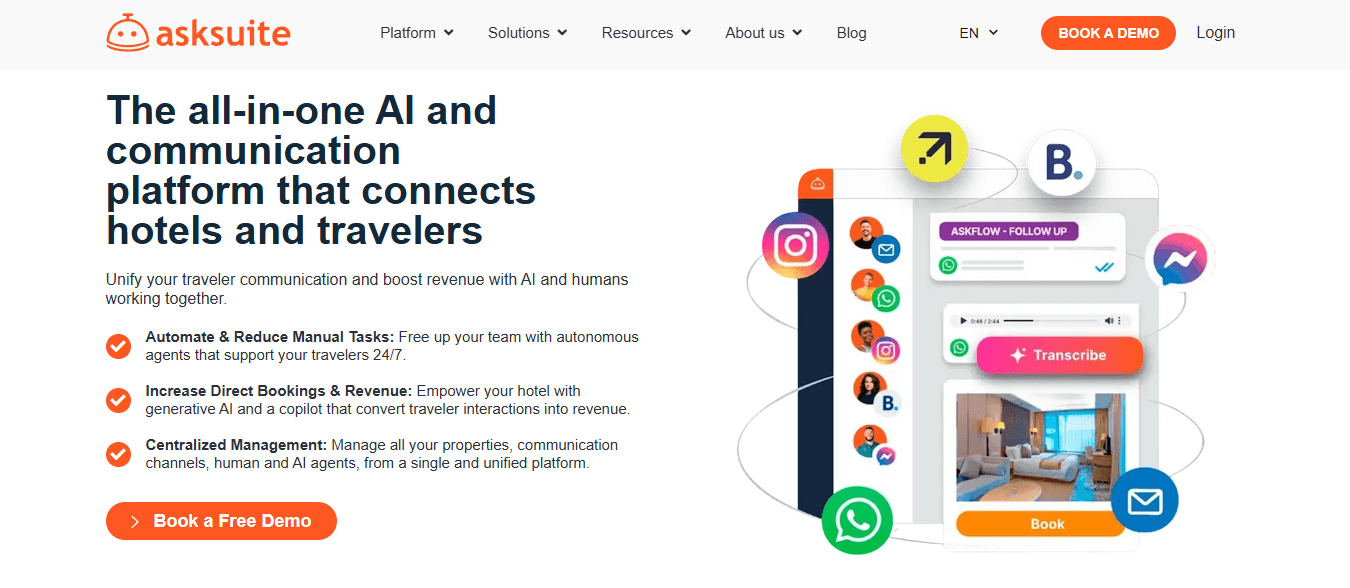
Asksuite focuses on AI-powered reservation assistance and direct booking support, converting inquiries into bookings through lead capture, automated responses, and reservation guidance. The platform engages potential guests at high-intent moments, with AI assisting on availability questions, rates, and booking processes while capturing lead data for follow-up. It prioritizes conversion optimization over operational workflow management.
Best fit
Hotels emphasizing direct booking growth and reservation conversion rates as primary communication goals.
Potential limitations
Operational workflow capabilities that connect guest communication to service delivery may be less extensive than those of broader hotel operations platforms.
6. Akia

Akia runs one AI agent across SMS, WhatsApp, email, web chat, OTA inboxes, and the phone, and files housekeeping tasks from guest requests. Automation handles routine communications such as arrival instructions, checkout reminders, and service information.
Best fit
Independent hotels and smaller hotel groups seek straightforward guest communication without extensive operational workflow requirements.
Potential limitations
Large enterprise operators managing complex multi-property portfolios may require additional workflow and operational management capabilities beyond messaging automation.
7. Duve

Duve positions itself as a guest experience platform that manages communication, upselling, check-in processes, and guest engagement through a unified interface designed to personalize the guest journey.
What capabilities does Duve offer for guest communication?
Capabilities include coordinating touchpoints from before arrival through after the stay, identifying opportunities to sell additional services based on guest preferences and behavior, and offering digital check-in to streamline the front desk process while collecting guest information for future personalization.
Best fit
Hotels seeking guest experience management that extends beyond standard messaging into journey planning and personalization.
Potential limitations
Some properties may require additional operational workflow tools to coordinate back-of-house service.
8. Revinate Chat
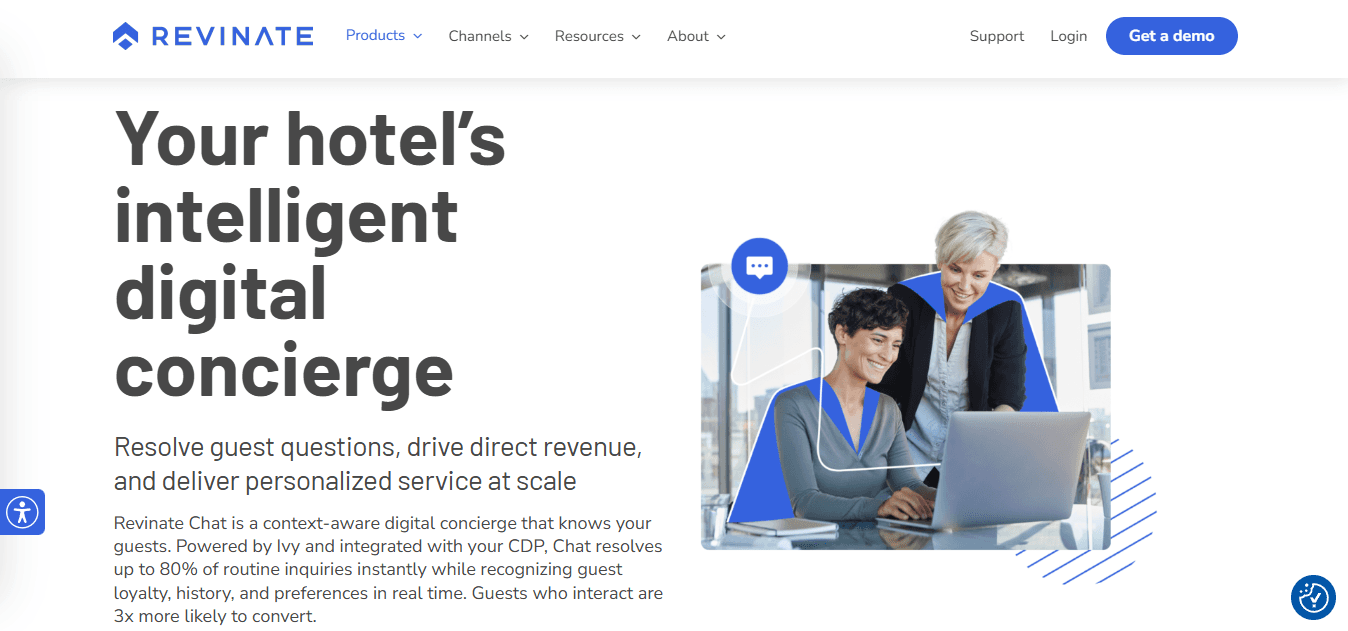
Revinate Chat, powered by Revinate's Ivy AI, answers routine guest questions and draws on Revinate's guest data platform. The platform generates responses, manages conversations, and coordinates with customer relationship management data.
How does Revinate integration enhance guest communication?
Integration with Revinate's marketing and guest data solutions creates continuity between communication, guest profiles, and campaigns. AI-generated responses handle routine inquiries, while CRM integration enables personalized communication based on guest history and preferences.
Best fit
Hotels that already use Revinate's marketing and guest data solutions and want communication tools built on the same guest intelligence foundation.
Potential limitations
Organizations outside the Revinate ecosystem may receive fewer integration benefits from communication tools designed specifically for that platform.
9. Bookboost Guest Messaging

Bookboost integrates guest communication with customer data management and marketing automation. The platform uses guest profile management and CRM functionality to enable data-driven, personalized engagement based on guest segments, behavior, and lifecycle stage.
Best fit
Hotels seeking to prioritize personalization and data-driven guest engagement through integrated communication and marketing capabilities.
Potential limitations
Properties that focus mainly on operational automation linking communication to service delivery workflows may require capabilities beyond marketing-oriented personalization.
10. Shiji ReviewPro Guest Messaging Hub

Shiji ReviewPro Guest Messaging Hub brings together guest messaging, service management, and guest feedback, coordinating communication with reputation management and connecting conversations to satisfaction metrics and review generation. Service coordination features help teams respond to guest needs while tracking issue resolution, creating continuity between communication, satisfaction measurement, and reputation management. The platform suits properties that prioritize guest satisfaction and reputation management.
Best fit
Properties focused on guest satisfaction measurement and reputation management, where communication connects directly to feedback collection and service recovery.
Potential limitations
Hotels seeking advanced AI automation should evaluate functionality against specialized AI platforms that offer deeper conversational intelligence and learning capabilities.
11. Zendesk for Hospitality
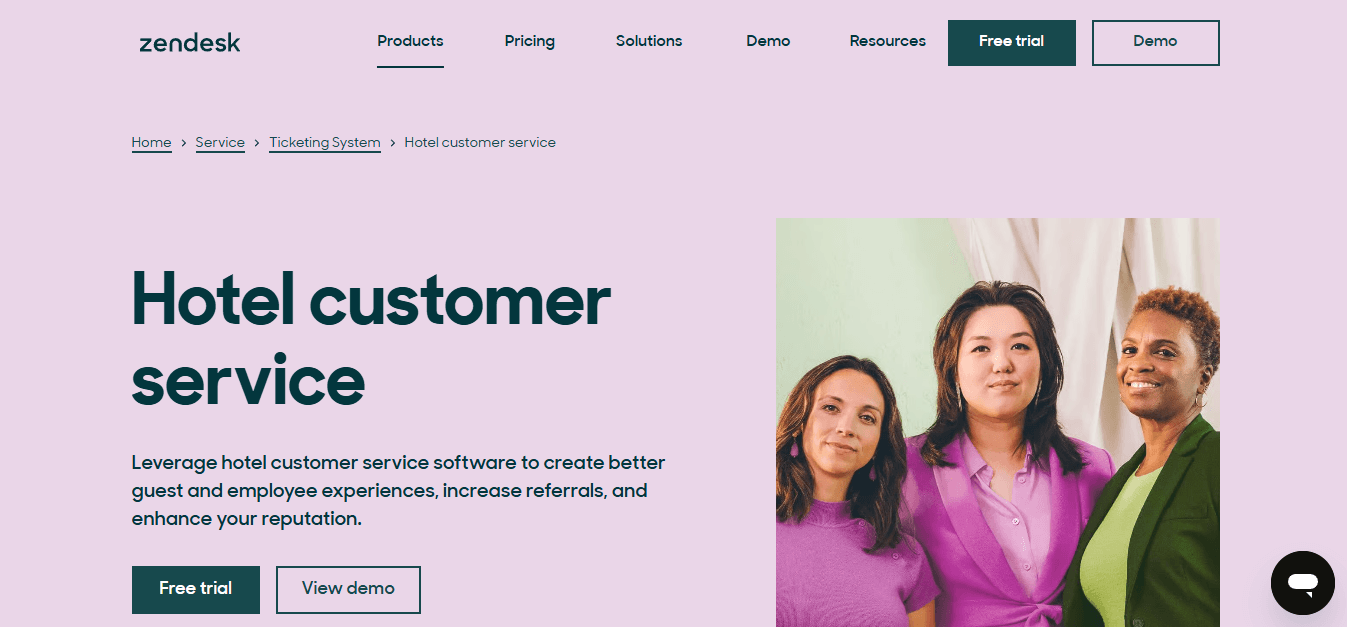
Zendesk provides customer service tools that hospitality organizations use to manage guest support operations. It offers ticketing, routing, multichannel communication (email, chat, phone, social media), and analytics capabilities. Large organizations with dedicated support teams benefit from advanced ticketing, routing, and analytics tools that provide visibility into support performance and guest satisfaction metrics across unified agent interfaces.
Best fit
Large organizations with dedicated service teams managing high inquiry volumes across multiple channels.
Potential limitations
Requires hospitality-specific configuration and may lack native hotel workflows available in purpose-built platforms, creating implementation complexity for properties without technical resources.
12. Choosing the Right Guest Communication Tool
The best guest communication platform depends on what a hotel wants to achieve, not the features a vendor lists on their website. Properties focused on messaging may prioritize communication features and channel coverage. Hotels seeking broader operational improvements should evaluate workflow automation, system integrations, task management, and revenue-generation capabilities alongside communication functionality.
Why does data integration matter for guest communication?
Personalized communication can boost repeat bookings by up to 40%, according to SmartHotelAI. Effective personalization requires data integration that connects guest profiles, reservation history, and preferences to communication platforms. Our Conduit platform streamlines this integration, enabling hotels to unify guest data and deliver personalized experiences.
How do communication platforms impact multi-property operations?
Teams managing multiple properties often find that messaging-focused platforms create new problems when they can't coordinate service delivery across departments. A guest request sent through a messaging platform still requires manual notification to housekeeping, updates to maintenance tickets, or coordination with the front desk. The strongest platforms coordinate service delivery, improve operational efficiency, and create connected guest experiences throughout the entire stay journey. Powerful features mean nothing if they don't work in practice.
Related Reading
- Hotel Chatbot Guide
- AI Tools For Hotels
- AI Agents For Hotels
- Hotel Automation Tools
- Best Hotel Chatbot
- Airbnb Automation Tools
- AI Chatbot For Hotels
What Makes a Guest Communication Tool Actually Effective?
What Makes a Guest Communication Tool Actually Effective?
Good guest communication tools connect conversations directly to the hotel's operations, reservation data, and service delivery systems. The difference between a messaging platform and a good communication tool lies in whether it helps hotels resolve requests faster while reducing manual work for staff.
How does reservation context transform guest communication?
When a guest sends a message, the platform should already know who they are, when they're arriving, what room type they booked, and where they are in their stay journey. This context eliminates the back-and-forth questions that slow down service delivery. According to Hotel Technology News, response times under 5 minutes lead to 40% higher guest satisfaction scores. Generic replies lacking reservation context force guests to repeat information and staff to manually search multiple systems for details.
Why are PMS integrations essential for efficient communication?
PMS integrations pull reservation data, guest profiles, room status, and billing information directly into the communication interface. Without these connections, staff members waste time switching between platforms and coordinating updates across disconnected systems.
Omnichannel Support Without Fragmentation
Guests move seamlessly between SMS, WhatsApp, website chat, and OTA messaging platforms based on their preference and timing. Strong communication tools maintain a unified conversation history across all channels, allowing staff to see the full interaction context regardless of where it started. This prevents guests from repeating requests, a problem that occurs when each channel operates as a separate inbox with no shared memory. The critical capability is automatic conversation threading. When the same guest contacts you through different channels, the system should recognize them and consolidate their messages into a single timeline rather than creating duplicate support tickets.
Workflow Automation That Actually Routes Work
Most teams manage guest communication through email threads and manual handoffs. As properties grow, this approach creates bottlenecks: messages sit in shared inboxes waiting for someone to read them, determine which department should handle the request, and manually notify the right team member. Response times stretch from minutes to hours, and urgent requests get buried beneath routine questions.
How do automated routing systems improve response times?
Platforms like AI for hospitality automate routing by analyzing request content and triggering department-specific workflows instantly. Conduit routes housekeeping towel requests, maintenance repair notifications, and front desk checkout questions without manual sorting. Hotels using Conduit report automation rates between 70% and 90%, thereby compressing resolution times and freeing staff to focus on complex service recovery situations.
What happens when complex situations need human escalation?
Internal task routing should include escalation management. Complex situations, service failures, and special accommodations require human involvement, but the handoff must preserve full conversation history and guest context. Escalations that force guests to restart with a new staff member create significant communication breakdowns. Knowing whether these capabilities improve performance requires visibility into metrics that most hotels do not consistently track.
How Hotels Should Compare Guest Communication Platforms
Good comparison starts with what happens after you use something, not a list of features. Focus on what changes after implementation: faster service resolution, less work for your staff, and measurable revenue impact.
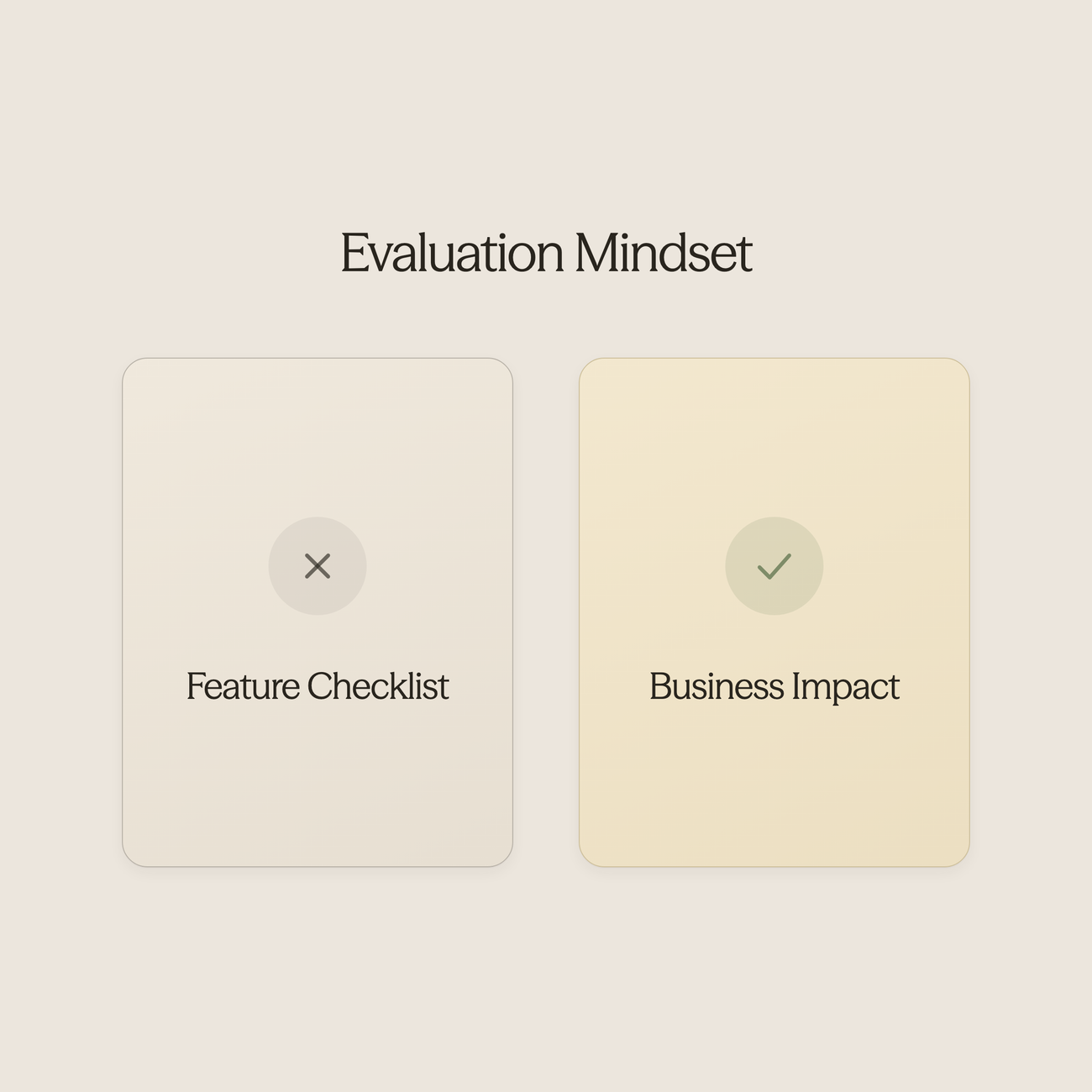
🎯 Key Point: The most effective platform evaluations focus on post-implementation outcomes rather than feature checklists. Look for concrete metrics like response time reduction, staff productivity gains, and guest satisfaction scores.
"Hotels that prioritize outcome-based platform selection see 23% faster issue resolution and 15% higher guest satisfaction scores compared to feature-focused approaches." — Hospitality Technology Research, 2024
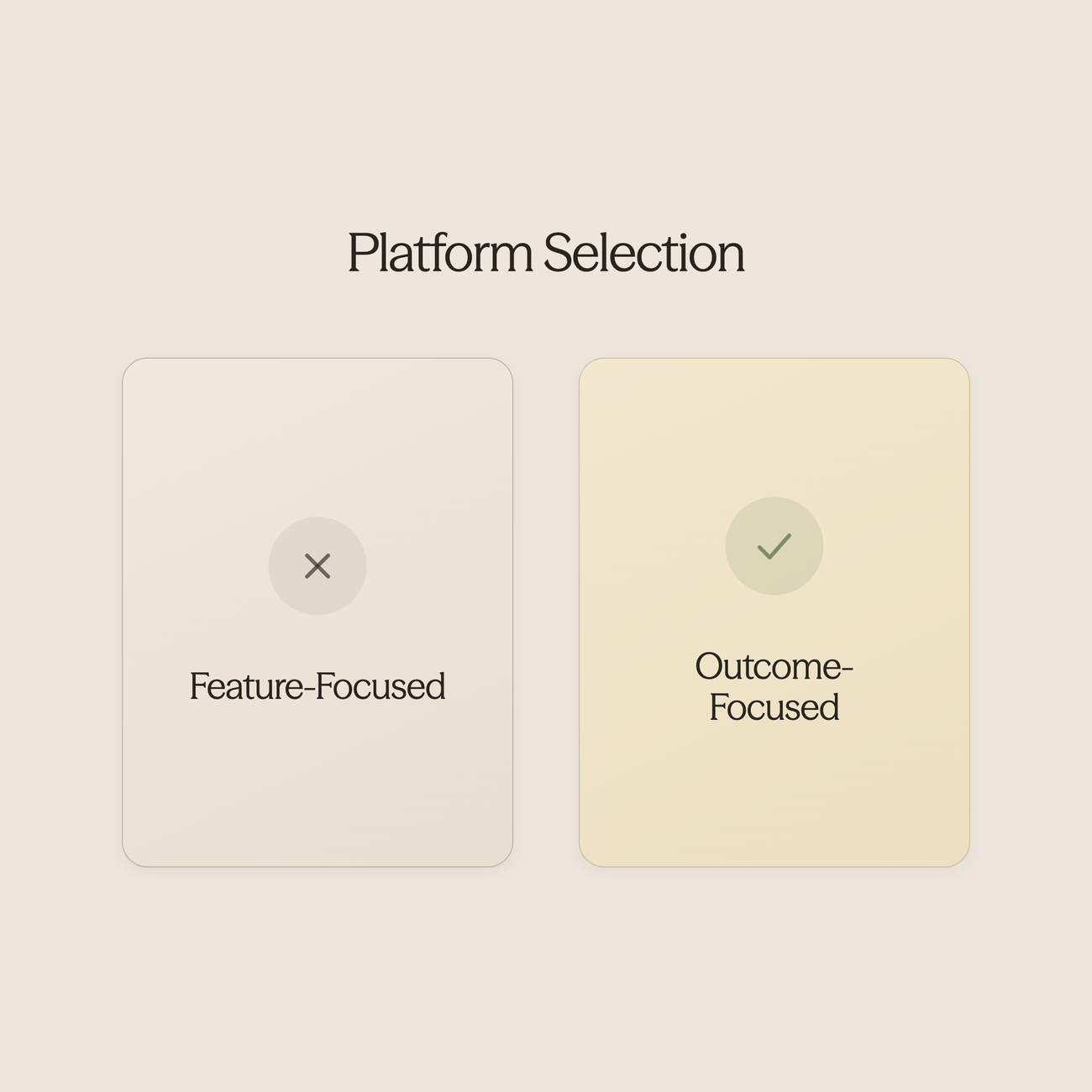
💡 Best Practice: Create a comparison framework that weighs actual business impact over feature quantity. The platform that delivers measurable improvements in your daily operations will always outperform the one with the longest feature list.
What questions reveal platform substance?
The right questions help you determine if a platform functions as an operational tool or merely as a messaging system. Which hospitality systems connect directly to it? What workflows run automatically without manual intervention? How do guest requests reach the appropriate teams? What happens when staff intervention is required? What reports demonstrate the platform's business impact? How quickly can staff adopt and implement the platform?
Why does integration depth matter most?
Integration depth matters most. A communication platform should connect with PMS platforms, CRM systems, housekeeping tools, and maintenance software; without those connections, automation opportunities disappear, and staff remain responsible for manual coordination across disconnected systems. Check whether the platform can automate common service requests, route tasks automatically, and coordinate actions across departments rather than requiring manual management of each step.
What metrics actually indicate communication performance?
The number of messages and conversations doesn't indicate how well your business is doing. According to Hotel Technology News, hotels using AI-powered messaging see their response times drop by 40%, but this only matters if it makes guests happier and reduces staff workload. Instead, pay attention to your first-response time, problems solved, automated messaging, guest satisfaction, revenue from upgrades and extras, and workload reduction for your staff.
Why do engagement metrics mislead hotel operators?
Vendors highlight engagement metrics because they look impressive in presentations. The critical question is whether interactions result in faster service, fewer escalations, and measurable revenue growth. Platforms that reduce first response time from 30 minutes to under 5 minutes while maintaining high resolution rates demonstrate operational value. Those that increase message volume without improving outcomes create more work without better results.
What are the key red flags when evaluating platforms?
A platform that only answers frequently asked questions signals limited operational value. If it cannot start workflows, create tasks, or coordinate service delivery, it functions as a knowledge base rather than an operational system. Weak integrations create similar problems: when reservation information, guest profiles, and operational systems remain disconnected, staff must manually retrieve information and manage requests across multiple tools, defeating the purpose of centralization.
How can you identify platforms that will increase workload?
Limited automation that requires substantial manual effort for routine service requests indicates that the platform will add to the workload rather than reduce it. Poor visibility into operations without detailed reports and clear workflow information prevents you from knowing whether communication processes improve performance.
Generic communication software designed for standard customer support often lacks features specific to hospitality, such as reservations, room status, guest journeys, service requests, and departmental coordination. Teams discover these gaps only after implementation, when the platform cannot handle the operational complexity of hospitality.
How Conduit Helps Hotels Modernize Guest Communication
A Platform That Connects Communication to Operations
Conduit consolidates guest conversations from SMS, WhatsApp, website chat, email, and OTA messaging into one platform, eliminating fragmented inboxes across multiple channels. The platform uses reservation data and property information to automatically personalise interactions, helping guests receive accurate answers faster. According to Conduit, this approach speeds up guest responses by 75%. Service requests are automatically routed to housekeeping, maintenance, or front desk teams based on request type and urgency. Escalation workflows preserve the conversation history when human intervention is needed, so guests don't have to repeat their requests.
How does automated engagement create revenue opportunities?
Conduit supports automated workflows triggered by reservation milestones, check-ins, purchases, and other guest events. The platform surfaces upsell opportunities at natural moments in the guest journey—room upgrades, spa bookings, dining reservations, and stay extensions—without requiring manual intervention. This generates ancillary revenue while enhancing guest convenience, transforming communication into a growth channel.
What makes this different from standard communication tools?
Most communication tools help hotels respond faster. Conduit connects those responses to operational workflows, service delivery, and revenue opportunities, creating a system in which automation supports business results rather than managing conversations alone. Teams maintain control over critical decisions while the platform handles repetitive interactions and administrative processes.
How does this help hotels scale operations?
The platform makes it easier for hotel teams to do their work by removing friction across communication, coordination, and execution, helping properties scale operations without needing to hire more staff. Seeing how these capabilities work together in a live environment reveals what feature lists cannot capture.
Related Reading
- AI Software For Hotels With Best Reviews
- Hijiffy Pricing
- Property Management AI Tools
- Best AI For Hotels
- Hotel Automation Software
- Duve Pricing
- Airbnb Automated Messages
- Enso Connect Pricing
Book a Demo to See Conduit's AI for Hospitality Customer Service in Action
Book a demo with Conduit to see how AI-powered messaging handles guest requests across your channels, coordinates service workflows through your existing systems, and scales operations without adding staff. You'll see the platform respond to inquiries, route maintenance requests, suggest upsells, and manage conversations in the context that matters: your property, your guests, your workflows.
🎯 Key Point: Experience firsthand how Conduit's AI transforms guest communication from reactive support into proactive operational intelligence.
The demo reveals how automation and service quality strengthen each other when technology understands both what guests need and how your operations run. You'll see how communication tools become operational intelligence, helping your team do more with less.
"AI-powered messaging that understands both guest needs and operational workflows creates the foundation for hospitality teams to scale service quality without proportional staff increases." — Conduit Platform Overview
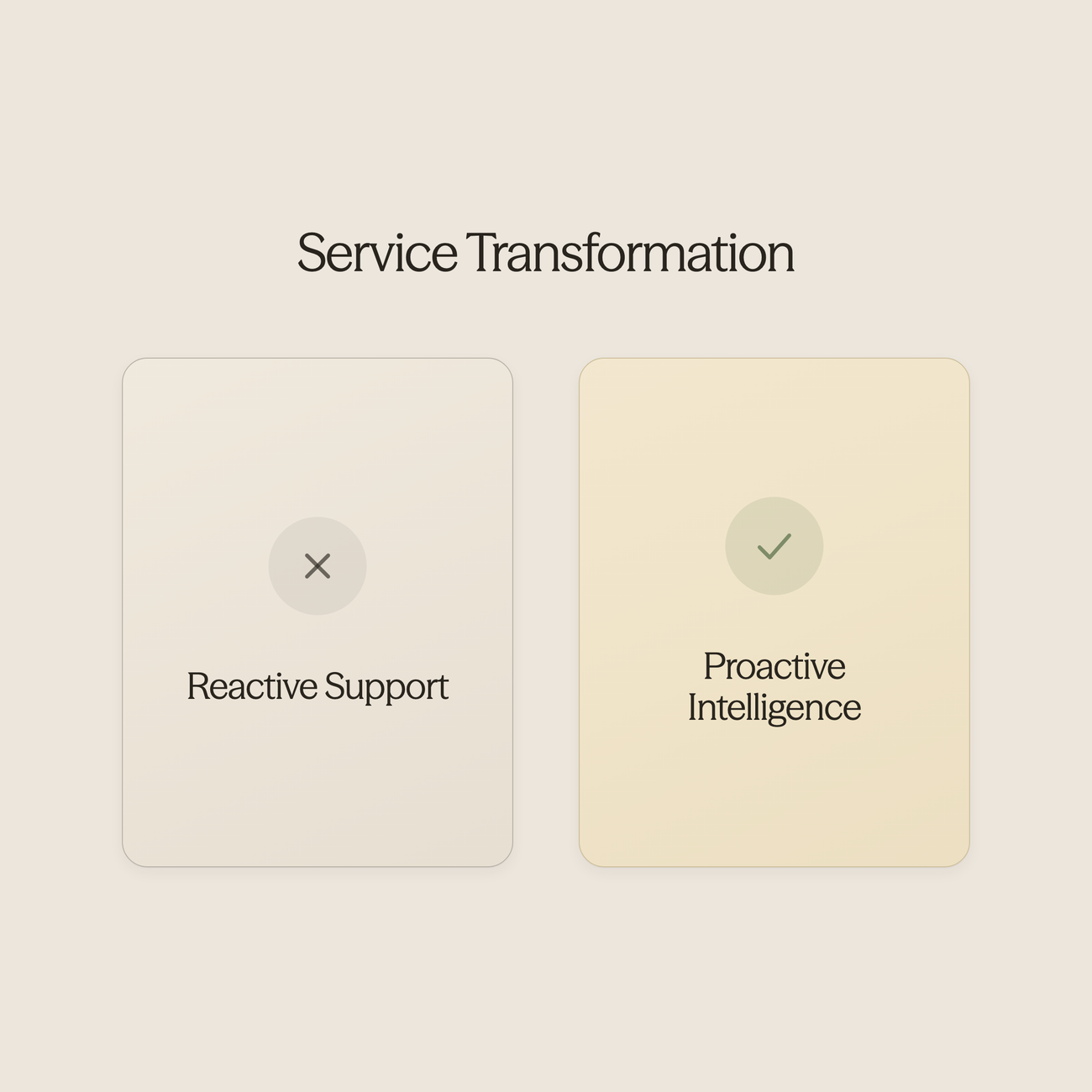
💡 Demo Tip: Come prepared with your most challenging guest service scenarios to see how Conduit's AI handles complex, multi-channel requests in real-time.
Stay in the loop
Get the latest on AI automation, product updates, and customer stories.


