AI for Hotels: 11 Tools That Cut Front Desk Work (2026)


11 Hotel AI Tools
Boost efficiency and guest service
Hotels face constant communication challenges, from midnight guest requests to multilingual support needs, all while maintaining exceptional service standards. AI communications for hotels has evolved from experimental technology into essential infrastructure, enabling properties to handle guest interactions seamlessly, automate routine operations, and deliver personalized experiences 24/7. Modern AI tools now encompass everything from intelligent chatbots and voice assistants to automated booking systems and smart room controls.
Properties implementing these solutions report significant improvements in response times, guest satisfaction, and operational efficiency without expanding their workforce. Smart automation handles repetitive inquiries, processes booking modifications, and manages guest messaging across multiple channels simultaneously. Hotels ready to transform their communication strategy can explore comprehensive AI for hospitality solutions designed specifically for the industry's unique demands.
Table of Contents
- Why Hotels Are Investing in AI Tools Faster Than Ever
- What Are AI Tools for Hotels?
- 11 Best AI Tools for Hotels
- The Hotel AI Use Cases Delivering the Highest ROI
- What Makes a Hotel AI Tool Actually Effective?
- How Hotels Should Evaluate AI Vendors
- How Conduit Helps Hotels Put AI to Work Across Operations
- Book a Demo to See Conduit's AI for Hospitality Customer Service in Action
Summary
- Hotels investing in AI tools see adoption rates reaching 85%, but only 7% operate with comprehensive AI strategies that connect technology to measurable business outcomes. The gap between adoption and integration explains why some properties achieve operational efficiency while others add complexity without reducing workload. Strategic implementation requires integrating AI directly into property management systems, workflow coordination, and revenue opportunities, rather than treating it as an isolated communication layer.
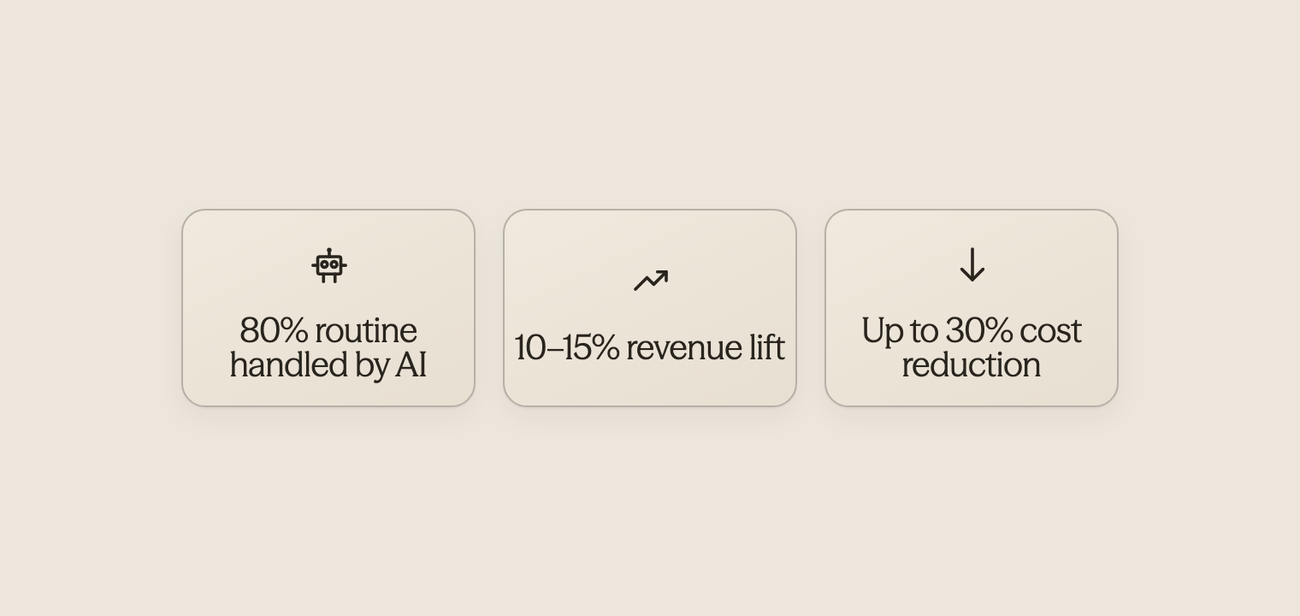
- AI-powered revenue management platforms deliver average revenue increases of 10 to 15 percent by continuously adjusting rates based on demand signals, competitor pricing, and booking velocity. Dynamic pricing outperforms manual rate adjustments because it responds to market conditions in real time rather than relying on periodic reviews. Hotels using these systems capture revenue opportunities that disappear when pricing decisions lag behind shifts in demand.
- AI chatbots handle 80% of routine guest inquiries, including WiFi credentials, checkout procedures, parking instructions, and amenity hours. This volume reduction frees front desk teams to focus on complex requests and personalized service that require human judgment. The operational value comes from eliminating repetitive coordination work rather than replacing hospitality professionals.
- AI can reduce operational costs by up to 30 percent when deployed to address specific bottlenecks rather than adopted broadly without clear objectives. The highest returns come from automating high-volume, repetitive interactions that directly affect guest satisfaction or revenue. Successful implementations begin with clearly defined operational challenges, whether to improve response times, increase direct bookings, optimize pricing, or generate ancillary revenue.
- Pre-arrival communication, in-stay service coordination, revenue-generating upsells, and post-stay feedback analysis represent the use cases delivering the strongest ROI. These applications automate predictable interactions while surfacing opportunities for room upgrades, spa bookings, and service recovery that properties miss during manual workflows. AI transforms guest feedback from a post-mortem exercise into an active service recovery tool by monitoring sentiment in real time.
- Real-time property management system integration determines whether AI provides accurate information or forces staff to intervene manually on every inquiry. Without direct access to reservation data, room status, and guest preferences, AI serves as a communication layer that adds work rather than eliminating it. Platforms built specifically for hospitality understand operational vocabulary and connect guest communication directly to task management systems.
- AI for hospitality addresses this by connecting guest conversations to operational workflows, coordinating internal tasks across departments, and maintaining conversation context across every channel without requiring staff to toggle between disconnected systems.
Why Hotels Are Investing in AI Tools Faster Than Ever
Guest expectations now exceed what most hotel teams can provide manually. Travelers want quick answers across multiple channels, personalized service during their stay, and smooth experiences from booking to checkout. Delivering this consistently with a small staff requires intelligent automation.
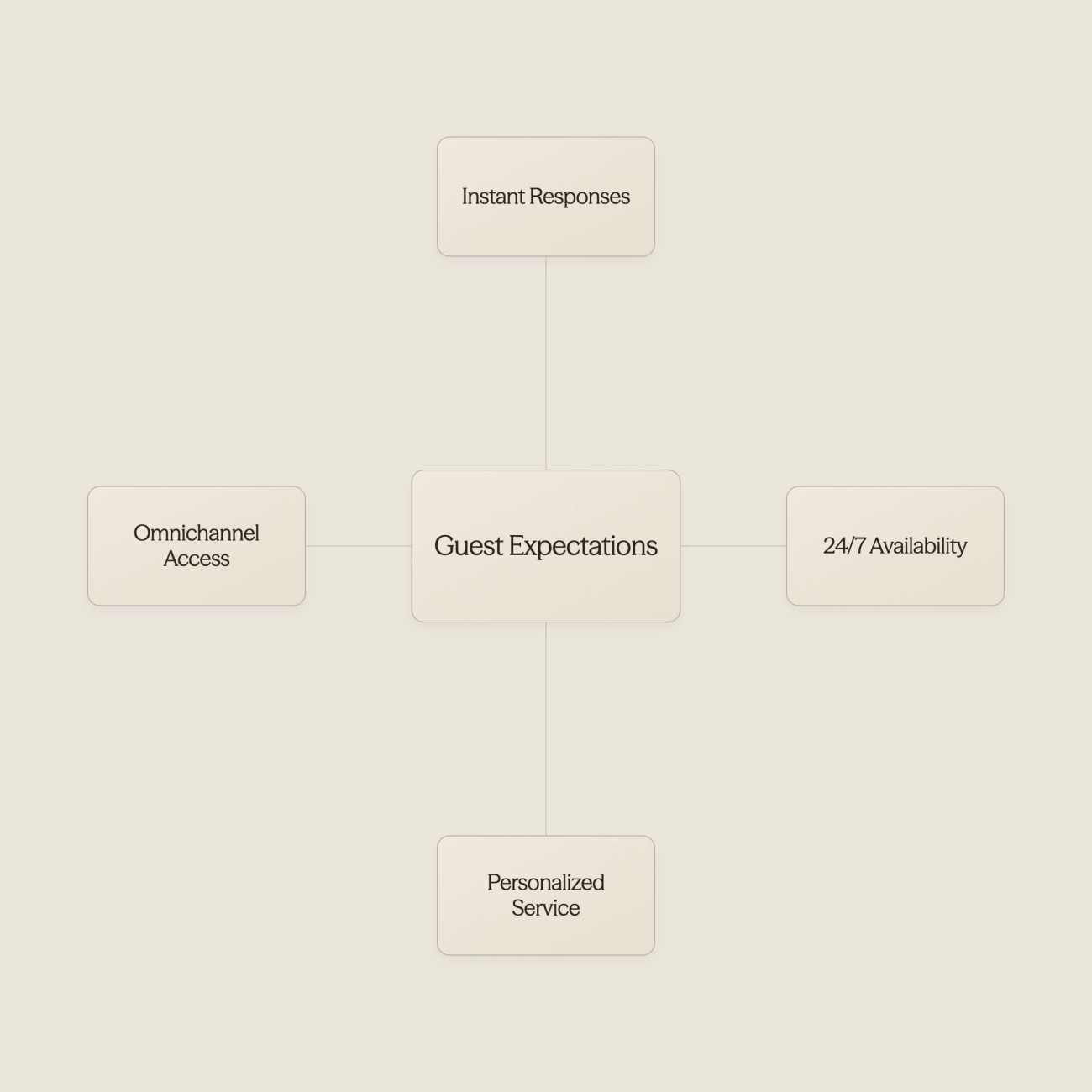
🎯 Key Point: The gap between rising guest expectations and limited staffing capacity is driving hotels to adopt AI solutions at an unprecedented pace.
"Hotels are investing in AI tools faster than ever because guest expectations now exceed what traditional staffing models can deliver consistently." — Industry Analysis, 2024
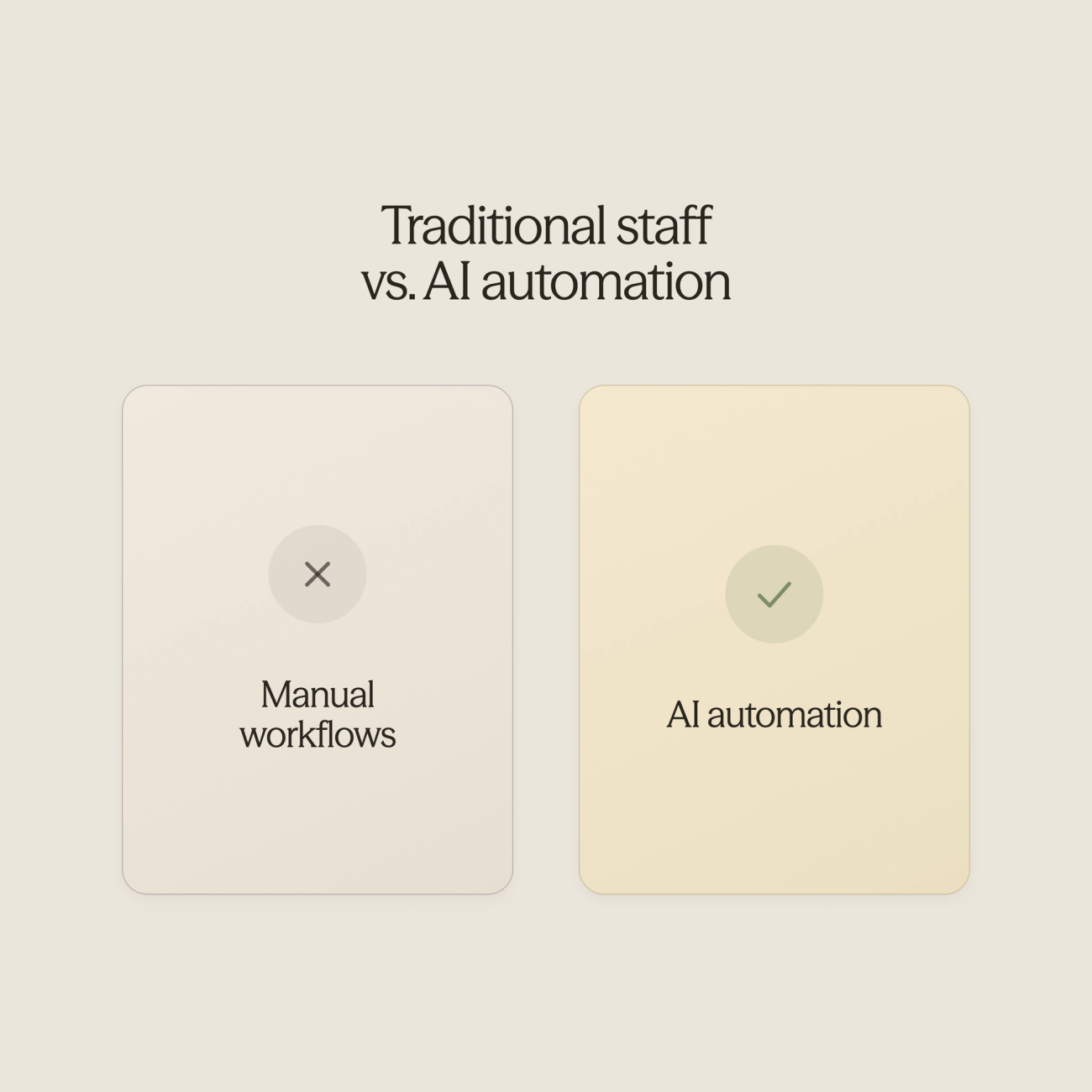
💡 Tip: Hotels that implement AI-powered automation can maintain high-quality guest experiences even during peak seasons or with reduced staff levels.
What operational pressures do hotel staff face daily?
Walk into most hotel front desks during peak hours, and you'll immediately see the bottleneck. Staff members juggle property management systems, phone calls, text messages, guest check-ins, email inquiries, and requests from multiple OTA platforms simultaneously. According to Hospitality Net, 85% of hotels now use at least one AI-powered tool. Staff field the same questions repeatedly: checkout procedures, WiFi passwords, parking locations, breakfast hours, and pool access. Each inquiry diverts time away from guests who require complex assistance or personalized attention.
How do capacity constraints affect guest response times?
Response times slow during busy travel periods. A guest texting about a late checkout at 2 PM might not receive a reply until after 5 PM, by which point the request no longer matters. Another guest asking about dinner reservations through website chat could wait hours and book elsewhere. These are capacity constraints that manual processes cannot overcome at scale.
Why do hotels miss revenue opportunities?
Hotels lose money because teams lack time to discuss ancillary services with guests. Room upgrades, spa appointments, restaurant reservations, early check-ins, late checkouts, and local experience packages represent significant revenue opportunities. Without tools that identify these opportunities and initiate conversations at optimal moments, most sales remain unrealized.
A guest willing to pay $40 for a 2 PM checkout never gets asked because the front desk is busy with arrivals. The couple celebrating an anniversary doesn't learn about the rooftop dinner package because no one reviewed their reservation notes.
How do fragmented systems create operational friction?
The challenge worsens across departments. Housekeeping updates room status by hand, maintenance requests get logged in one system while guest communications are in another, and revenue management decisions rely on data spread across disconnected platforms.
Each broken-up workflow creates friction, slows service, and consumes staff time. Platforms like Conduit handle repetitive guest conversations automatically while routing complex requests to staff. Teams report cutting response times from hours to minutes and capturing previously missed revenue opportunities without additional hiring.
What's the real difference between replacement and augmentation?
Many hotel owners assume AI means replacing human hospitality with robotic interactions, so they delay adoption and miss opportunities. The best uses of AI don't eliminate staff—they handle repetitive coordination work, freeing hospitality professionals to create memorable experiences, solve complex problems, and deliver personalized service that builds loyalty.
How does AI create more capacity for human connection?
When AI handles routine questions about amenities and policies, front desk agents can help guests find local attractions or address urgent problems. When automated systems organize housekeeping workflows, managers focus on quality standards and staff development rather than status updates. The technology enables human judgment, creativity, and relationship-building. Understanding what AI tools do requires looking beyond surface-level automation.
What Are AI Tools for Hotels?
AI tools for hospitality are software systems that use machine learning, natural language processing, and predictive analytics to handle guest communication, operations, pricing, and decision-making. Unlike automation, these platforms adapt to their environment, learn from patterns, and integrate with property management systems, booking engines, and communication channels. They coordinate service requests, optimize pricing in real time, analyze guest sentiment, and route tasks between departments while maintaining complete conversation history across every touchpoint.
🎯 Key Point: AI hotel tools go beyond simple automation by learning and adapting to your property's unique patterns and guest behaviors.
"AI-powered hospitality platforms can process and respond to guest requests 24/7 while maintaining context across all communication channels." — Hotel Technology Research, 2024
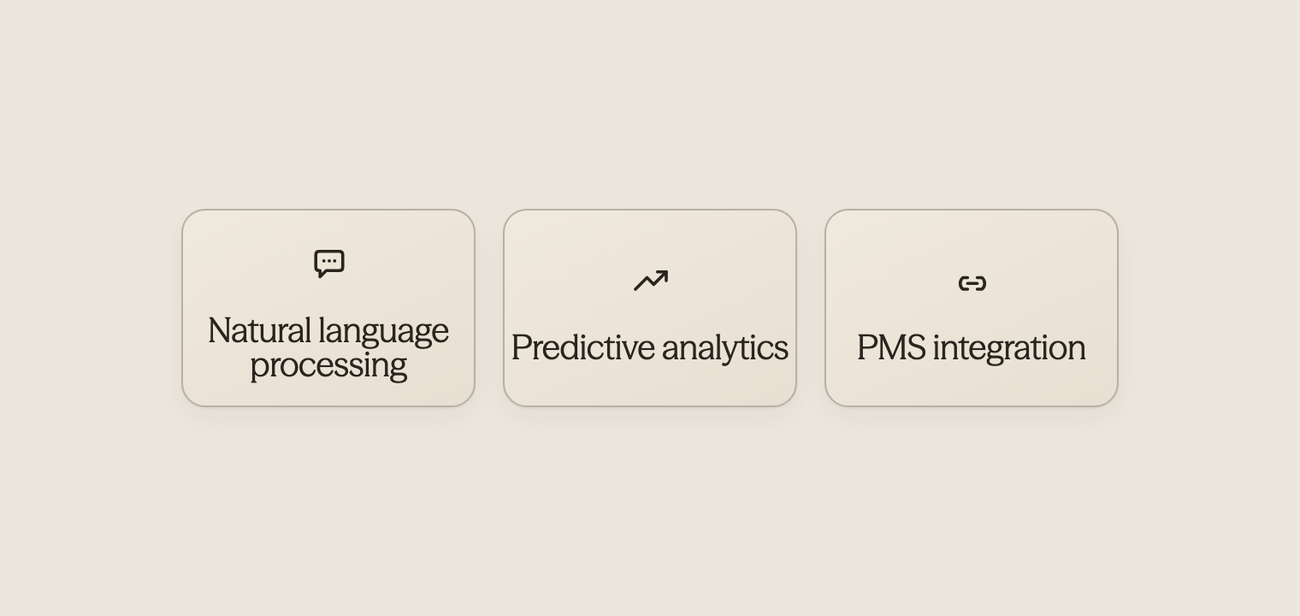
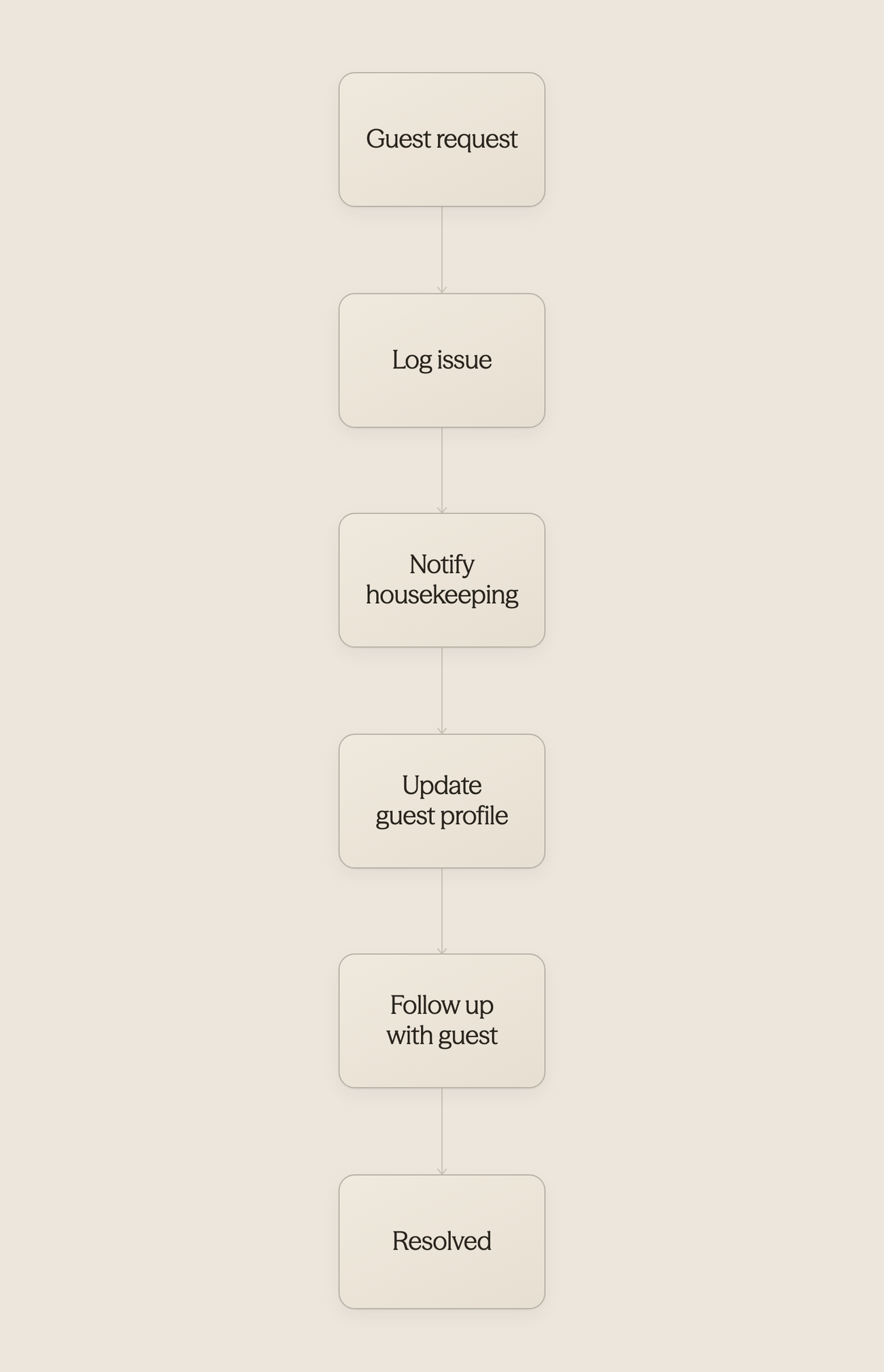
💡 Example: When a guest texts about a room temperature issue, an AI system can automatically log the request, notify housekeeping, update the guest's profile with temperature preferences, and follow up to ensure satisfaction — all without human intervention.
How do AI tools differ from basic chatbots?
Many hotels confuse AI tools with simple chatbots that answer preset questions. Modern hospitality AI understands guest needs, retrieves live booking information, initiates operational workflows, and escalates complex situations to staff with full context. When a guest requests late checkout, the system checks room availability, confirms housekeeping schedules, updates the booking, and alerts the front desk within seconds. That's solving problems, not just conversing.
How does AI shift hotels from reactive to predictive operations?
Early hotel technology digitized manual tasks: staff entered data that systems stored for retrieval. AI reverses this by analyzing patterns across thousands of interactions to surface insights before problems occur. According to Canary Technologies, hotels that use AI for dynamic pricing see revenue increases of up to 25% because these systems continuously adjust rates based on demand signals, competitor pricing, local events, and booking velocity, rather than waiting for revenue managers to manually review spreadsheets each morning.
What predictive capabilities extend beyond pricing?
This predictive capability extends beyond pricing. AI identifies guests likely to request early check-in based on flight arrival times, flags maintenance issues before they lead to complaints by analyzing sentiment trends in reviews, and recommends upsells to specific guests based on their booking profiles and previous stay behavior. The system anticipates needs and prepares responses in advance.
How does AI handle routine guest inquiries?
Research from mylighthouse.com shows that AI chatbots handle 80% of routine guest questions: WiFi passwords, checkout times, parking directions, amenity hours, and local suggestions. These questions arrive constantly through SMS, WhatsApp, website chat, email, and social media. Manual responses create delays during peak times and divert staff from higher-value guest interactions.
What happens when AI manages routine communication?
When AI handles routine communication, front desk teams can focus on complex requests, service recovery, and relationship-building conversations that require empathy and judgment. Our AI for hospitality platform manages routine inquiries from start to finish while escalating situations that need human decision-making. Staff can teach the system directly from their inbox when unusual cases arise, creating a feedback loop where our AI improves based on how your team handles challenging situations.
Why does system integration matter for hotel AI tools?
The most effective hotel AI tools connect directly to property management systems, channel managers, CRM platforms, and operational software to access real-time data and trigger downstream actions. A guest communication AI that cannot check room availability or update reservation details becomes another inbox to monitor. Our Conduit platform integrates seamlessly with your existing systems to ensure your AI works for your operations. An AI that retrieves guest preferences, confirms service requests with housekeeping, and updates billing automatically becomes an extension of your operations team.
How does technical architecture affect implementation complexity?
This integration requirement explains why implementation complexity varies dramatically between platforms. Some AI tools require extensive custom development to connect with existing hotel systems, while others offer pre-built integrations with major hospitality platforms, reducing deployment time from months to weeks. Our Conduit platform includes pre-built connectors designed for hospitality systems, accelerating deployment without extensive custom development. The technical architecture determines whether the AI can execute workflows or merely notify staff to complete tasks manually in separate systems.
What should hotels consider when measuring the effectiveness of AI tools?
To determine which AI tools work well, examine specific platforms and their actual performance rather than relying on marketing claims.
Related Reading
- AI Communications For Hotels
- AI For Vacation Rentals
- AI For Airbnb Hosts
- AI Use Cases In Hospitality
- Best Hotel Chatbot
11 Best AI Tools for Hotels
The right AI tool depends on your business needs. Some platforms excel at guest messaging and service automation, while others focus on revenue growth, reputation management, or customer insights. The following platforms are established AI tools, each designed to solve specific problems.
🎯 Key Point: Choosing the wrong AI tool can waste both time and money. Focus on platforms that align with your biggest operational challenges first.
Hotels using AI tools report an average 25% improvement in guest satisfaction scores and 15% reduction in operational costs.
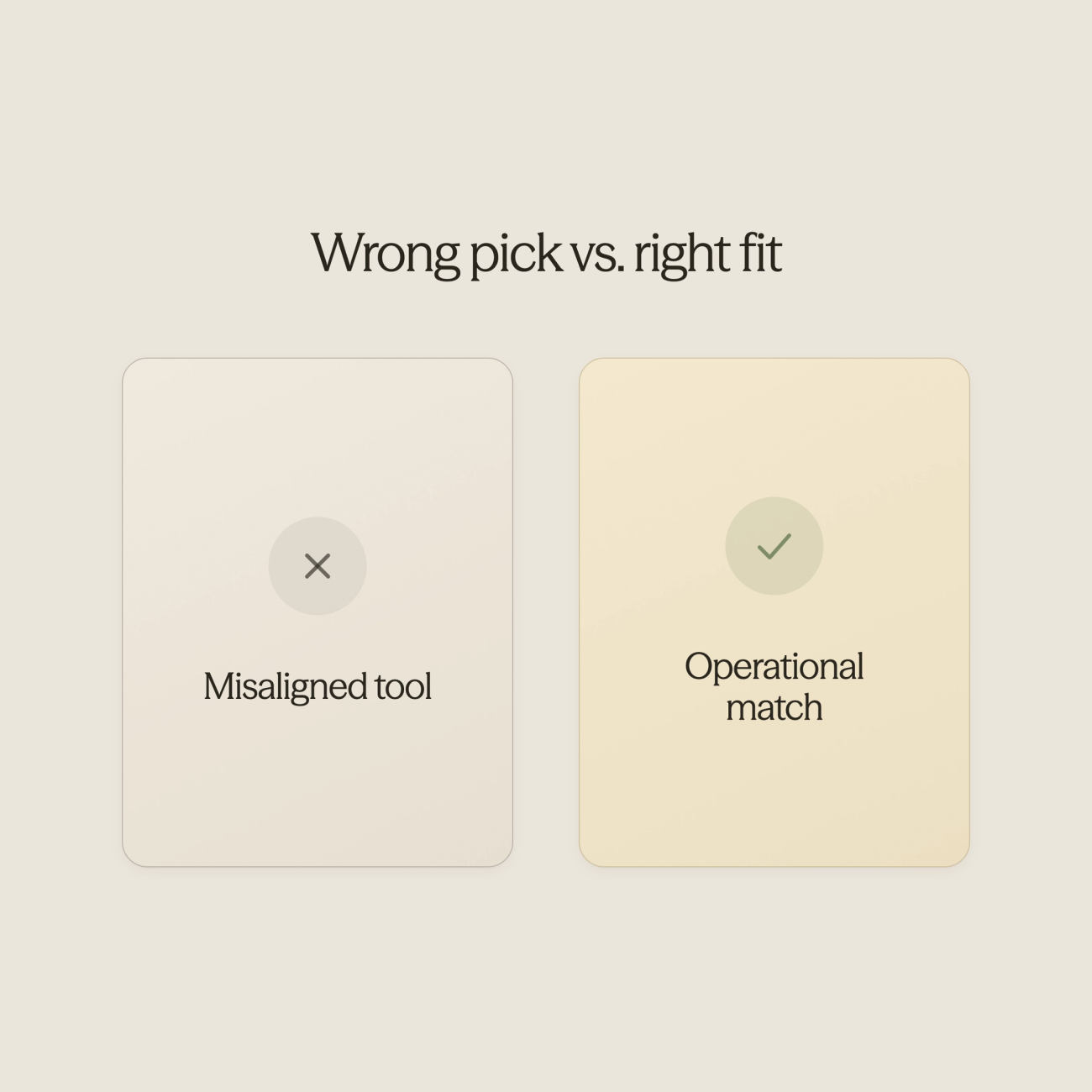
💡 Best Practice: Start with one core AI solution that addresses your most pressing need, then gradually expand your tech stack as you see measurable results.
1. Conduit

Conduit is an AI-powered guest communication and operational automation platform built specifically for hotels. It connects guest interactions with hotel operations, workflows, and revenue opportunities, functioning beyond a simple chatbot.
How does Conduit handle guest requests and revenue opportunities?
The platform manages guest communication across multiple channels while organizing internal tasks across departments. When a guest requests a late checkout, the system automatically checks room availability, confirms housekeeping schedules, updates reservations, and notifies staff. It also identifies revenue opportunities by recognizing upsell moments within conversations, such as spa appointments or room upgrades, without requiring staff to manually flag each interaction.
What makes Conduit effective during peak occupancy periods?
Conduit's workflow automation organizes internal operations by routing requests to the right departments, tracking task completion, and preserving conversation history when escalating issues to human staff. This proves essential during peak periods when front desk teams manage multiple communication channels and repetitive questions arrive faster than staff can address them.
Best fit
Hotels seeking guest communication automation and operational efficiency improvements.
2. HiJiffy

HiJiffy offers conversational AI for the hospitality industry, helping hotels manage guest questions and bookings across multiple channels. The platform supports multilingual communication, enabling properties to handle inquiries in multiple languages without requiring fluent staff speakers. The AI chatbot answers common questions about amenities, check-in times, and cancellation policies. Guest messaging automation sorts conversations by topic, routing booking questions to reservation systems and service requests to the appropriate departments.
Best fit
Hotels prioritizing conversational AI and booking support.
3. Asksuite
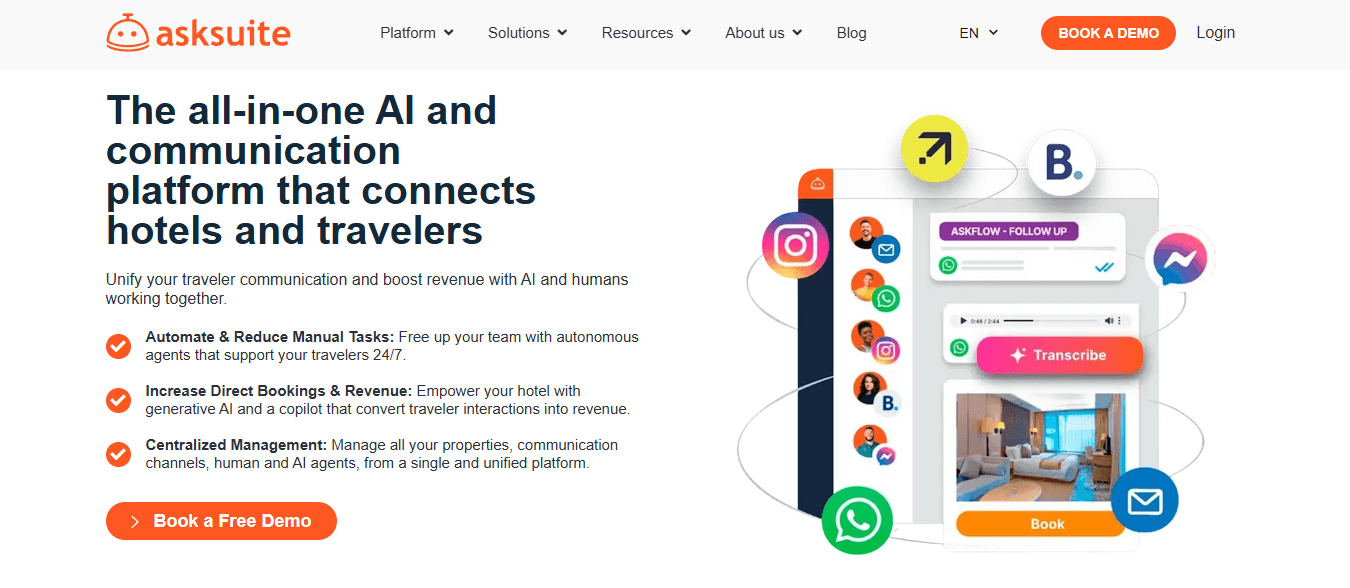
Asksuite specializes in AI-powered reservation assistance and direct booking support for hotels. It converts guest inquiries into confirmed reservations by qualifying leads and guiding potential guests through the booking process. The conversational sales capabilities identify booking intent within guest messages and provide pricing, availability, and package information in real time. Lead qualification filters out casual browsers, allowing sales teams to prioritize follow-up on high-intent prospects.
Best fit
Hotels focused on converting guest inquiries into reservations.
4. Canary Technologies
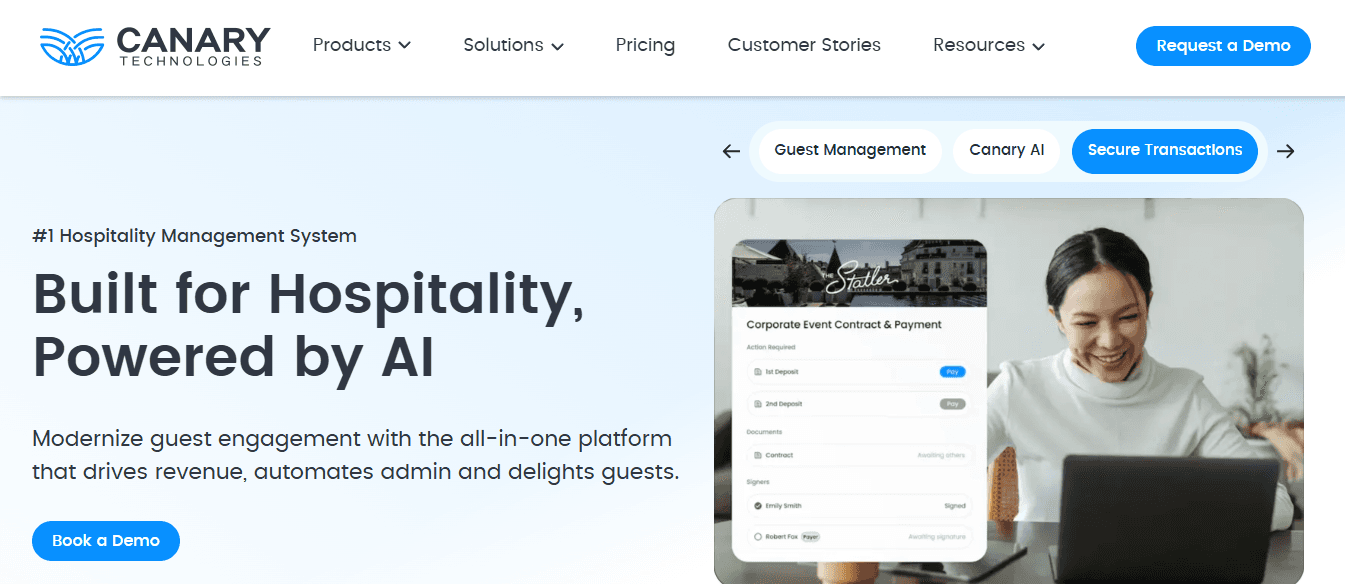
Canary Technologies provides digital guest journey tools that combine AI guest messaging, upsell capabilities, and guest engagement automation throughout the stay lifecycle. The platform automates pre-arrival communication, mobile check-in, and post-departure follow-up while surfacing relevant upsell offers based on guest preferences and booking history, thereby increasing ancillary revenue without manual staff intervention.
Best fit
Properties modernizing guest-facing experiences.
5. Duve

Duve offers guest experience technology that combines automation, self-service features, and upselling capabilities. The platform enables guests to manage their stay details without contacting the front desk. Guest journey automation handles communication from booking through post-checkout surveys. Digital check-in lets guests complete registration, select room preferences, and receive digital keys before arrival. Upselling tools present relevant add-ons at optimal moments throughout the guest journey.
Best fit
Hotels that emphasize guest self-service and digital experiences.
6. IDeaS Revenue Solutions

IDeaS is an established revenue management platform that uses AI and predictive analytics to support pricing decisions. According to O'Rourke Hospitality, hotels using AI-powered revenue management see an average revenue increase of 10 to 15 percent. The platform analyzes historical booking patterns, market conditions, and competitor pricing to recommend optimal rates. Demand forecasting predicts occupancy trends based on seasonal patterns, local events, and booking pace, while dynamic pricing adjusts rates as market conditions change to maximize revenue per available room.
Best fit
Revenue-focused hotel organizations are seeking sophisticated forecasting and pricing capabilities.
7. Duetto

Duetto provides cloud-based revenue management technology for dynamic pricing and forecasting, enabling hotels to adjust pricing strategies as demand shifts. Dynamic pricing updates rates based on real-time booking activity and competitor positioning. Demand forecasting uses multiple data sources to predict occupancy patterns weeks or months in advance. Revenue optimization balances rate and occupancy to maximize total revenue, rather than optimizing either metric in isolation.
Best fit
Hotels seeking advanced revenue management capabilities.
8. Revinate Ivy
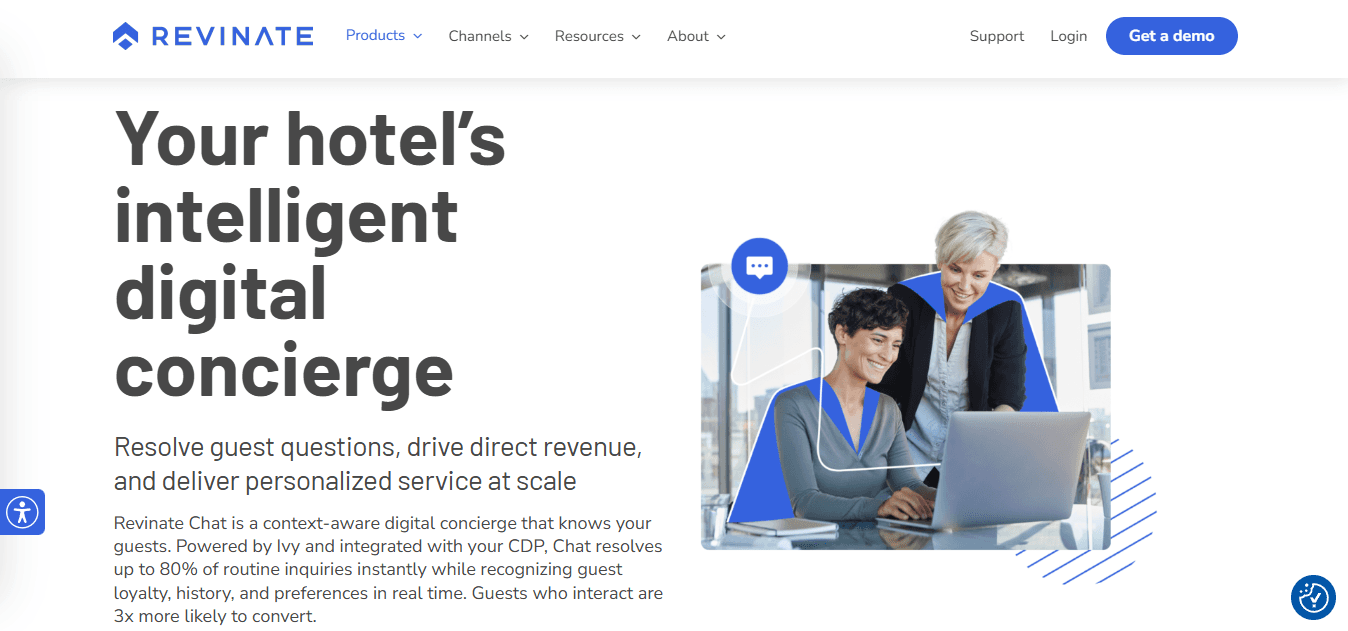
Revinate Ivy combines AI-powered messaging with CRM-driven guest engagement by integrating with Revinate's guest data platform to leverage booking history and preference data within automated conversations. AI handles routine questions while keeping context for human escalation. CRM integration surfaces relevant guest information: previous stays, preferences, and feedback. This enables personalized responses that adjust messaging tone and content based on guest profiles.
Best fit
Hotels have already invested in the Revinate ecosystem.
9. GuestRevu

GuestRevu uses AI to analyze guest feedback and manage reputation by identifying trends and sentiment across multiple channels: direct surveys, online review sites, and social media mentions. The platform organizes feedback by topic to surface recurring themes, tracks emotional tone to measure satisfaction trends, and identifies actionable patterns such as specific service issues or frequently mentioned staff members in positive or negative reviews.
Best fit
Hotels focused on managing guest feedback and improving their reputation.
10. Zendesk AI

Zendesk provides AI-powered customer service tools for hospitality environments. The platform automates ticket handling and knowledge management, reducing the time staff spend on repetitive inquiries. AI-powered workflows route inquiries to the right departments based on content and urgency. Ticket automation handles common requests without human intervention, such as password resets or policy clarifications. Knowledge management creates searchable databases of answers to frequent questions, enabling faster and more consistent responses.
Best fit
Large hospitality organizations are managing complex support operations.
11. Salesforce Einstein for Hospitality

Salesforce Einstein brings AI-powered analytics, personalization, and predictive insights to the Salesforce ecosystem, enabling hotels to leverage comprehensive guest data across marketing, sales, and service functions. Customer intelligence analyzes guest behavior to identify high-value segments and personalization opportunities. Predictive analytics forecast guest lifetime value, churn risk, and booking propensity, enabling targeted retention and acquisition strategies.
Best fit
Enterprise hotel groups with sophisticated CRM requirements.
Choosing the Right AI Tool
No single AI platform works for every hotel. Hotels focused on guest communication may benefit from conversational AI and messaging automation. Those prioritizing revenue might gain more value from forecasting and pricing platforms. Hotels seeking operational efficiency benefit most from solutions that integrate communication, workflows, guest data, and internal operations.
How do you identify which AI platform delivers measurable returns?
According to O'Rourke Hospitality, AI can reduce operational costs by up to 30 percent. To achieve those savings, select platforms that solve specific problems rather than adopting AI for its novelty. The best AI projects address clear operational challenges: faster guest response times, increased direct bookings, optimized pricing, reduced staff workload, or additional revenue streams.
What happens when hotels reach peak capacity without automation?
When peak occupancy hits 90 percent monthly, and guest requests include shuttle coordination, room service, parking, and invoicing across departments, staff workload becomes unmanageable without automation. Response times stretch from minutes to hours, guest satisfaction drops, and upselling opportunities vanish.
Platforms like Conduit handle first-contact communication automatically and route complex issues to human agents with the full conversation history, reducing response times and freeing staff for high-value, personalized interactions. Selecting the right platform is only half the challenge; the real test is knowing which use cases deliver measurable returns.
Related Reading
- AI Chatbot For Hotels
- Best Hotel Chatbot
- Hotel Automation Tools
- Airbnb Automation Tools
- AI Agents For Hotels
- Hotel Chatbot Guide
- Guest Communication Tools
The Hotel AI Use Cases Delivering the Highest ROI
The best AI uses in hotels automate high-volume, repetitive interactions that affect guest satisfaction or revenue while freeing staff for judgment-based situations. According to Hospitality Upgrade's 2025 global study, 78% of hotel chains deploy AI systems, yet only 7% operate with a comprehensive AI strategy. This gap between adoption and strategy explains why some properties see measurable gains while others deploy tools that generate activity without improving outcomes.
"78% of hotel chains deploy AI systems, yet only 7% operate with a comprehensive AI strategy." — Hospitality Upgrade, 2025
🎯 Key Point: The gap between AI adoption (78%) and strategic implementation (7%) reveals why most hotels struggle to achieve meaningful ROI from their AI investments.
🔑 Takeaway: Strategic AI deployment targeting specific guest satisfaction and revenue touchpoints delivers measurable results, while random tool adoption creates busy work without bottom-line impact.
Pre-Arrival Guest Communication
The time between booking and arrival generates common questions about parking, pet policies, early check-in, and nearby restaurants. AI-powered messaging platforms can answer these questions immediately through email, SMS, and WhatsApp while identifying opportunities to sell additional services. One guest receives parking instructions automatically, another is offered a suite upgrade based on their reservation type, and a third books a dinner reservation without staff assistance.
In-Stay Service Coordination
Guests request services during their stay: extra towels, maintenance fixes, restaurant recommendations, and late checkout. Traditionally, front desk staff take requests, contact housekeeping or maintenance, track completion, and follow up. AI workflow automation routes requests directly to the appropriate department, automatically creates tasks, and notifies guests when service is complete. A broken thermostat gets logged, assigned to engineering with room details attached, and marked complete when the technician closes the ticket—eliminating the need for staff to pass information between departments.
Revenue-Generating Upsells
Most hotels miss revenue opportunities because staff lack time to identify them during busy periods or lack systems that surface timely offers. AI revenue optimization tools analyze reservation data, guest history, and real-time availability to deliver targeted offers when guests are most receptive. A family checking in for a weekend receives an offer for a poolside cabana. A business traveler arriving late receives an early breakfast add-on. A couple celebrating an anniversary sees a spa package promotion. These offers deploy automatically through messaging channels, converting interest into revenue without manual pitches at check-in.
Post-Stay Feedback and Recovery
Guest feedback often arrives too late to address problems during the stay, and negative reviews are posted publicly before properties can respond privately. AI sentiment analysis monitors guest messages and survey responses in real time, flagging dissatisfaction while guests remain on property.
When a guest reports dissatisfaction with room cleanliness or noise levels, the system alerts management immediately, providing an opportunity to address the issue before checkout. This transforms feedback into an active service recovery tool that protects reputation and improves satisfaction scores.
Why should hotels integrate AI tools instead of using them separately?
Most hotels evaluate AI tools in isolation, asking whether a chatbot saves workers or whether dynamic pricing increases revenue. The strongest uses accomplish both simultaneously.
Platforms like Conduit handle guest communication across channels, coordinate internal workflows, and surface upsell opportunities within the same interaction. When a guest asks about late checkout, the system checks housekeeping schedules and room availability, automatically confirms the request, updates the reservation, notifies staff, and offers a spa discount for the extra time.
One conversation creates operational efficiency, guest convenience, and incremental revenue without requiring separate tools or manual coordination between departments. Deploying AI tools that handle these use cases effectively requires more than selecting software with the right features.
What Makes a Hotel AI Tool Actually Effective?
Effectiveness comes from putting operations together, not from having fancy conversations. An AI tool works when it reduces manual tasks, improves response accuracy, and creates measurable outcomes like faster service delivery or increased revenue. A valuable system connects to reservation data, triggers workflows, and helps staff complete work rather than simply answering questions.
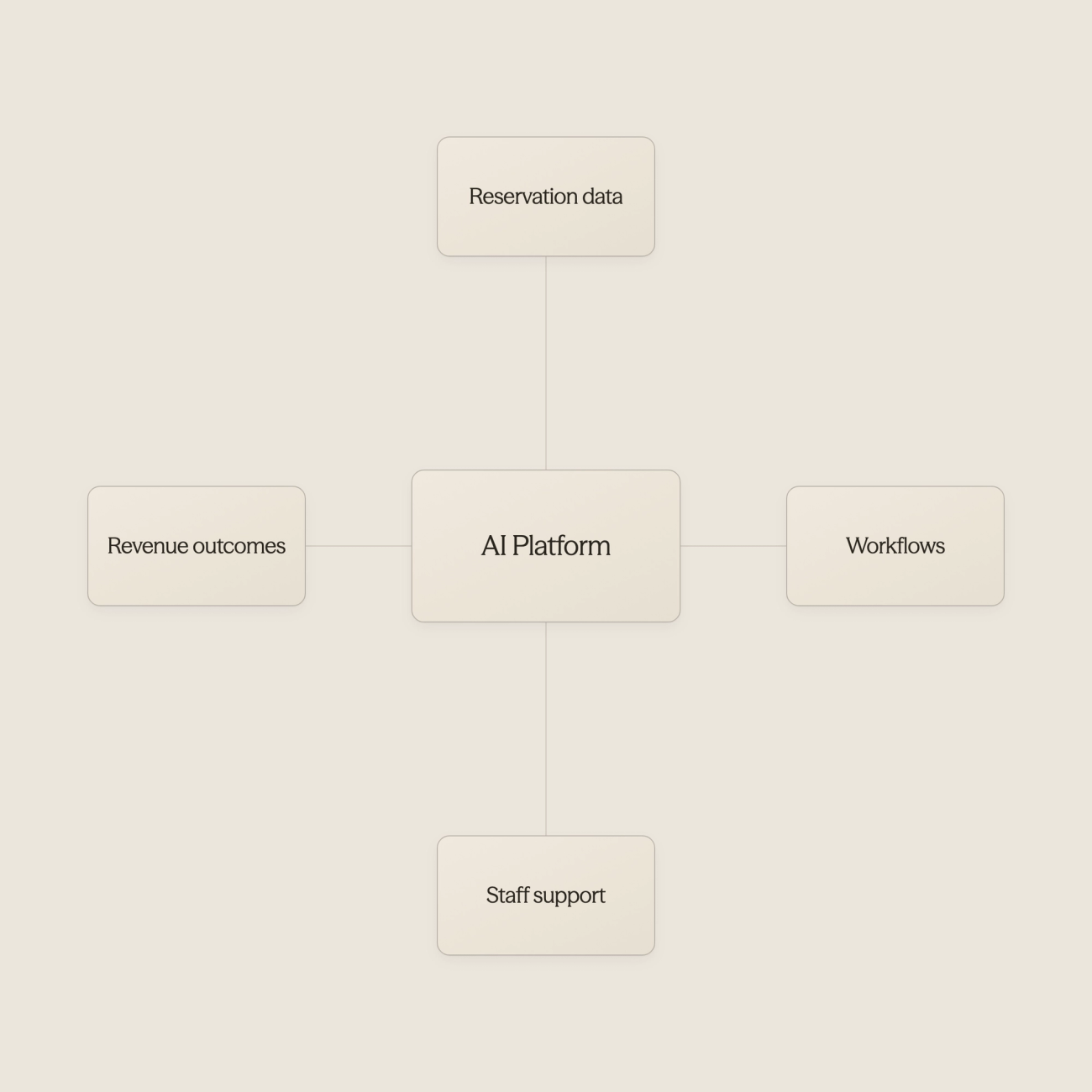
🎯 Key Point: The most effective hotel AI tools prioritize operational integration over conversational capabilities. Look for systems that can actually reduce your team's workload while improving guest experiences.
"A valuable AI system connects to reservation data, triggers workflows, and helps staff complete work rather than simply answering questions." — Hotel Operations Best Practices, 2024
💡 Tip: When evaluating AI tools, ask vendors for specific examples of how their system reduces manual tasks and creates measurable outcomes. Avoid solutions that only offer chatbot functionality without deeper operational integration.
Hospitality-Specific Intelligence
Regular conversational AI understands language but not context. A guest asking "Can I bring my dog?" requires knowledge of pet policies, available pet-friendly rooms, associated fees, and reservation modification rules. Without hospitality-specific training, AI provides generic responses that necessitate staff intervention.
Platforms built for hotels understand operational vocabulary: early check-in, room upgrades, housekeeping schedules, maintenance issues, and loyalty program benefits. This specialization reduces errors and eliminates the need for constant human oversight.
Real-Time PMS Access
The property management system holds reservation details, room status, billing history, and guest preferences. Without direct integration, AI cannot confirm arrival times, check availability, or verify upgrade eligibility; every question requires staff handoff.
Direct PMS integration transforms AI from a communication layer into an operational layer. The system accesses current data, personalizes responses, and provides accurate information without manual employee lookups. According to h2c's 2025 Global AI in Hospitality Study, only 8% of hotels have real AI strategies, indicating most implementations lack the integration depth needed to deliver meaningful value.
How does AI trigger operational processes beyond conversations?
Answering questions is the basic requirement. The efficiency gain happens when AI starts operational processes. A guest reports a broken air conditioner. The AI logs the issue, creates a maintenance ticket, assigns it to the appropriate technician, notifies housekeeping if a room move is required, and updates the guest on expected resolution time. One conversation initiates five operational steps without manual coordination.
What problems do fragmented hotel systems create?
Most hotel teams still handle this through fragmented systems: a guest messages the front desk, staff manually enter a ticket, someone calls maintenance, another checks room availability, and a third follows up with the guest. This creates opportunities for communication breakdowns. Platforms like Conduit automate these workflows by connecting guest communications directly to task management systems, routing requests to the right departments, and closing the loop with guests once issues are resolved.
Omnichannel Continuity
Guests switch channels mid-conversation: starting on the website, continuing via SMS, and following up through WhatsApp. Managing these separately creates duplicate work and inconsistent service. A guest asks about parking on the website, then texts about early check-in an hour later. Without unified communication, staff may not realize these are the same person with the same reservation.
Effective AI platforms maintain conversation history across every channel. The system recognizes the guest, retrieves the reservation context, and provides consistent responses regardless of the communication method. This continuity reduces friction for guests and prevents staff from having to answer duplicate questions.
How Hotels Should Evaluate AI Vendors
What Hotel Systems Integrate Directly?
Ask which systems connect natively to the AI platform. If the vendor hesitates or lists "coming soon" integrations, that's a red flag. Property management systems, central reservation platforms, housekeeping software, maintenance ticketing, and guest messaging channels must integrate directly. Without native access to these operational systems, AI becomes an isolated tool that creates work instead of eliminating it. According to the h2c 2025 global study, 78% of hotel chains already use AI systems, yet only 7% operate with a comprehensive AI strategy, largely because disconnected tools fail to deliver measurable business outcomes.
What Workflows Can AI Actually Automate?
Most vendors showcase how well their AI converses with people. Instead, ask what actual work the AI can perform independently. Can it process housekeeping requests for extra towels? Open maintenance tickets for reported air-conditioner failures? Route spa inquiries to the appropriate department with complete details. Send proactive messages based on reservation information? The difference between answering questions and executing tasks determines whether you gain real efficiency or simply add another communication channel requiring oversight.
What happens when AI can't handle a situation?
No AI handles every situation. VIP guests with complex requests, billing disputes, and unusual service issues need staff support. Strong platforms maintain the full conversation history, automatically route requests to the right departments, and enable staff to step in without requiring guests to re-explain their problem. Poor escalation design creates the exact frustration AI is supposed to prevent: a guest explaining their problem to AI, then to the front desk, then to a manager, only to experience worse service than calling directly.
How do the best platforms handle escalations?
Platforms like Conduit treat AI as an adaptive team member that learns from human corrections. Staff can teach the AI directly from the inbox, improving future responses without technical setup. The system handles repetitive questions while escalating important moments, maintaining conversation context across every channel so guests never repeat themselves.
What Measurable Outcomes Are Reported?
Focus on outcomes, not capabilities. Ask vendors how their platform measures response time reduction, resolution rates, automation rates, changes in guest satisfaction, revenue impact, and staff workload impact. If they cannot show specific metrics their current customers track or pivot to conversation volume and message counts, they're measuring activity rather than business impact. Strong reporting connects AI performance to operational improvements you can verify; weak reporting hides behind engagement metrics that sound impressive but mean nothing for service quality or profitability. Understanding which answers predict success matters more than knowing which questions to ask.
How Conduit Helps Hotels Put AI to Work Across Operations
The challenge isn't finding an AI tool that can answer guest questions—it's connecting those conversations to the operational work that solves requests, coordinates teams, and creates revenue. Most hotels struggle with disconnected platforms, and adding another isolated tool creates another inbox to monitor.
💡 Key Insight: True AI integration means connecting guest conversations directly to operational workflows, not just providing automated responses.
"Most hotels already struggle with disconnected platforms. Adding another isolated tool just creates another inbox to monitor."
Conduit treats guest communication as part of a unified operational workflow. When a guest requests late checkout via SMS, the system checks room availability through the PMS, confirms housekeeping capacity, updates the reservation, creates tasks, and notifies staff within one coordinated action rather than separate manual steps.
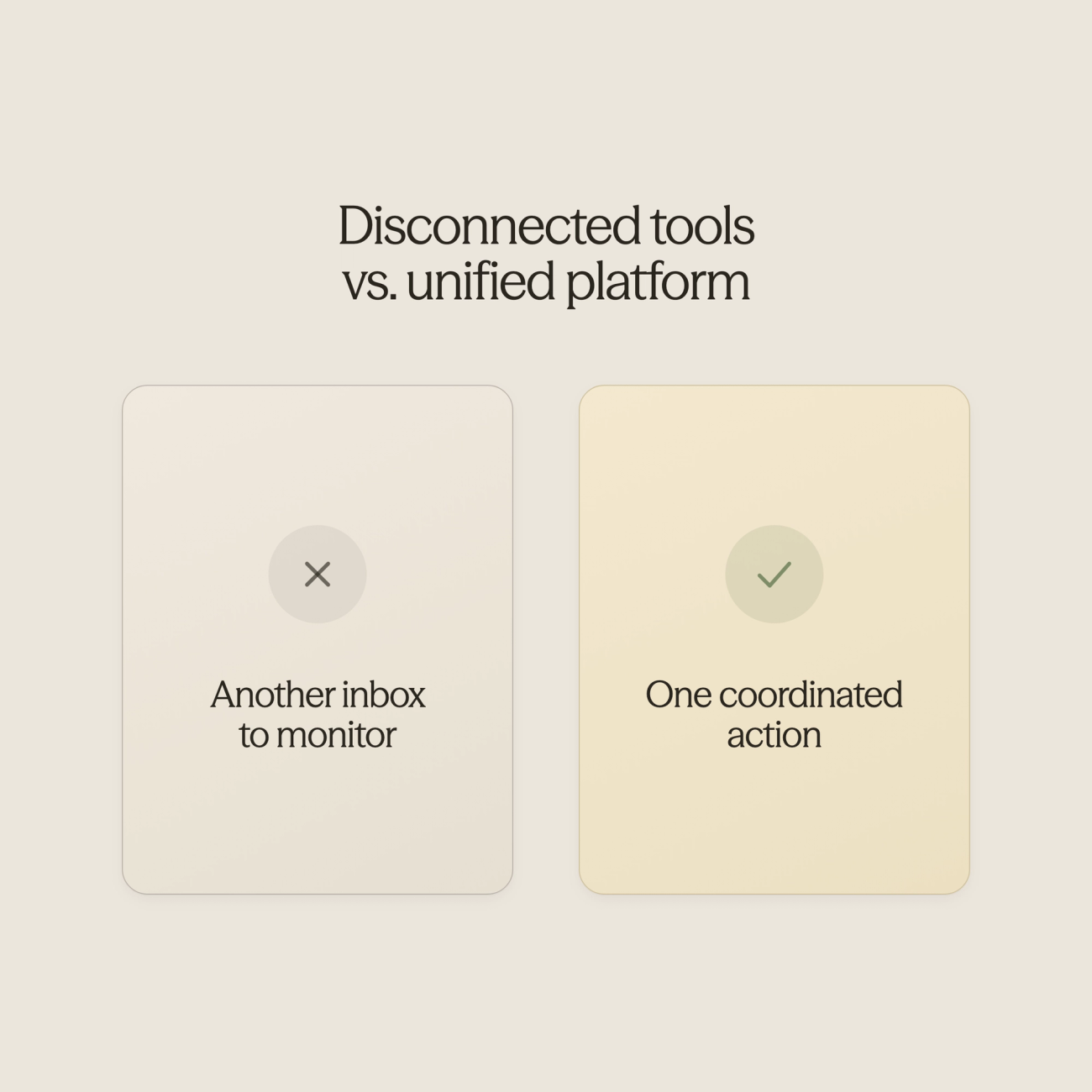
🎯 Bottom Line: Conduit's AI doesn't just respond to guests—it executes the operational work needed to fulfill their requests across your entire hotel ecosystem.
What challenges do hotels face with multi-channel communication?
Hotels often find that managing guest conversations across website chat, SMS, WhatsApp, and messaging apps creates fragmentation: each channel becomes isolated, context gets lost between platforms, and staff waste time switching between interfaces. Conduit unifies these channels into a single inbox, enabling your team to respond to guests from one place without losing conversation history.
According to Hospitality Net, while 85% of hotels use at least one AI-powered tool, only 12% have implemented AI strategically across multiple departments. Tools that don't connect to actual operations add complexity without reducing workload. Our platform integrates directly with your property management system and booking tools, so AI automation reduces manual work instead of creating more.
How does unified communication preserve guest context?
Conduit brings all these channels together into a single conversation thread that preserves full context, regardless of where guests contact you. A conversation that starts on the website before arrival continues seamlessly via SMS during the stay, with staff seeing the complete history without switching between systems.
Why do generic chatbots fail in hospitality?
Regular chatbots fail because they treat each conversation as an isolated question-and-answer. Real hospitality service requires understanding the full picture: reservation details, property policies, room status, guest preferences, and how different requests affect operations. Our Conduit platform maintains this context throughout guest interactions, enabling more intelligent and personalized responses.
When a guest asks about bringing their dog, the response must address pet policies, available pet-friendly rooms, associated fees, and housekeeping preparation needs. With Conduit, your AI can handle these multi-layered requests by accessing and synthesizing all relevant information in real time.
How does real-time integration improve guest service?
Platforms like Conduit connect directly with property management systems to access operational information in real time. Our platform automatically initiates the appropriate workflows in response to guest requests. A maintenance issue is created with the full conversation attached. An upgrade question is routed to the appropriate department, and pricing is calculated based on current availability. Service requests reach housekeeping with room numbers and timing preferences already captured.
What does proactive engagement look like throughout the guest journey?
The system helps you connect with guests at every step of their visit. Pre-arrival messages confirm their plans and present upgrade options. During their stay, automatic check-ins reduce front desk visits. After guests leave, follow-up messages ask for their feedback while their stay is still fresh in their minds. These messages are sent when guests need information or when properties can generate additional revenue.
How do staff and AI work together effectively?
Staff can step into any conversation whenever human judgment matters. The AI handles repetitive questions about WiFi passwords and parking directions, while complex situations involving billing disputes or service recovery escalate to people who can make judgment calls. When staff resolve something the AI didn't handle well, they can teach it directly from the conversation, improving future responses without involving engineering teams.
Hotels reduce administrative workload, improve response consistency, and identify revenue opportunities they would have missed with manual workflows, all through a system that connects communication to the work required to fulfill guest requests. Most AI vendors showcase impressive conversation transcripts. Fewer demonstrate how those conversations reduced coordination time, increased ancillary revenue, or helped understaffed properties maintain service standards during peak periods.
Book a Demo to See Conduit's AI for Hospitality Customer Service in Action
Book a demo with Conduit to see how the platform handles your actual workflows and guest scenarios, from pre-arrival requests to in-stay service coordination. You'll see how conversations connect to task execution, how the AI learns from your team's corrections, and how the system identifies upsell opportunities that would otherwise go unnoticed.

🎯 Key Point: Experience Conduit's AI in action with your real hospitality data and see immediate impact on guest satisfaction and operational efficiency.
"Live demos with actual guest scenarios provide 3x better understanding of AI capabilities than theoretical presentations." — Hospitality Technology Research, 2024
Our demos show what the technology does in practice with your data, guest communication patterns, and operational constraints—not theory. This hands-on approach ensures you see the real ROI potential and understand how Conduit's AI will transform your customer service operations.
💡 Tip: Come prepared with your most challenging guest scenarios to see how Conduit's AI handles complex requests and turns them into revenue opportunities.
Related Reading
- Best AI for Hotels
- Hijiffy Pricing
- Hotel Automation Software
- AI Software For Hotels with the Best Reviews
- Duve Pricing
- Enso Connect Pricing
- Property Management AI Tools
- Airbnb Automated Messages
Stay in the loop
Get the latest on AI automation, product updates, and customer stories.


