Duve Pricing: What Hotels Should Know Before Buying


Duve Pricing
Costs, features, and ROI
hoosing the right guest experience platform can significantly impact a hotel's operational efficiency and guest satisfaction scores. Hotel operators evaluating Duve often struggle to understand the true cost structure behind subscription fees, implementation expenses, and potential hidden charges. Understanding Duve's pricing model, contract terms, and feature tiers helps property managers make informed decisions about their technology investments.
Smart hotel operators compare multiple solutions to find platforms that align with their specific needs and budget constraints. Properties benefit from transparent pricing structures that clearly outline costs for automated guest messaging, upsell capabilities, and property management system integrations. For hotels seeking measurable ROI through increased revenue and reduced staff workload, exploring comprehensive solutions like AI for hospitality provides valuable insight into available options.
Table of Contents
- Why Hotels Start Researching Duve Pricing
- The Belief That the Lowest Software Price Creates the Best Value
- What Impacts Duve Pricing?
- What Hotels Should Evaluate Beyond Price
- Duve vs Hospitality AI Platforms
- Why Hotels Choose Conduit When They Want More Than Guest Experience Software
- Book a Demo to See Conduit's AI for Hospitality Customer Service in Action
- Summary
Summary
Hotels evaluating guest experience platforms often focus on subscription costs without accounting for the operational workload that remains after implementation. Nearly 50% of hoteliers struggle to access critical data, according to Revinate's Future of Hotel Data Report, making it difficult to build accurate business cases. When internal metrics aren't readily available, pricing research becomes guesswork rather than strategic analysis based on measurable returns.
Staffing challenges make operational efficiency more valuable than subscription savings. The American Hotel & Lodging Association reports that 65% of surveyed hotels face staffing shortages, while 71% have open positions they cannot fill despite active recruiting. A lower-priced platform that still requires manual guest communication, request coordination, and follow-up may ultimately cost more than a higher-priced solution that automates meaningful portions of that workload.
Guest expectations for rapid communication create pressure that pricing comparisons miss. Industry research shows 73% of guests expect responses within five minutes, while nearly 70% of travelers expect instant communication from hotels before and during their stay. Platforms that cannot help hotels meet these expectations efficiently may offset subscription savings through slower service, increased labor requirements, or lower satisfaction scores.
Revenue opportunities embedded in guest interactions often go uncaptured when hotels prioritize low subscription costs. ReadyBid's 2025 Benchmark Report shows corporate hotel rates rising 7% in 2025, making incremental revenue from existing guests increasingly important as baseline rate growth faces market constraints. Platforms with stronger automation and contextual intelligence can generate value that significantly exceeds any difference in monthly fees.
Personalized experiences drive guest loyalty more than generic automation. Deloitte research indicates that 64% of guests are more likely to return to hotels offering personalized experiences, but personalization requires systems that can access guest preferences, booking history, and real-time operational context. Generic responses to specific questions erode trust quickly, making the quality of automation more important than its cost.
AI for hospitality addresses this by automating end-to-end guest communication workflows across all channels, reducing the manual workload required by traditional guest experience platforms while maintaining the personalized service guests expect.
Why Hotels Start Researching Duve Pricing
Hotels evaluate Duve pricing when selecting guest experience platforms and deciding whether to buy or manage one. The search centers on whether a platform delivers measurable operational and financial returns that justify the cost.
💡 Tip: Most operators compare multiple hospitality technology vendors at the same time, evaluating solutions for guest messaging, digital check-in, upselling, guest engagement, or operational efficiency. Understanding pricing structures and cost differences between vendors helps narrow down options.
🔑 Takeaway: The decision to research Conduit pricing isn't just about cost comparison—it's about finding a platform that delivers tangible ROI through improved guest satisfaction and operational streamlining.
Why do hotel technology purchases face increased scrutiny?
Hotel technology purchases face greater scrutiny than ever. Ownership groups demand clear justification for new software, and general managers must demonstrate how technology will improve guest satisfaction, reduce workload, increase revenue, or create operational efficiencies.
According to Revinate's The Future of Hotel Data Report, nearly 50% of hoteliers struggle to access critical data, hindering their ability to build a strong business case. Without access to guest behavior patterns, revenue from existing software, or operational metrics, buyers rely on vendor claims rather than their own hotel data.
What pricing questions do hospitality buyers typically ask?
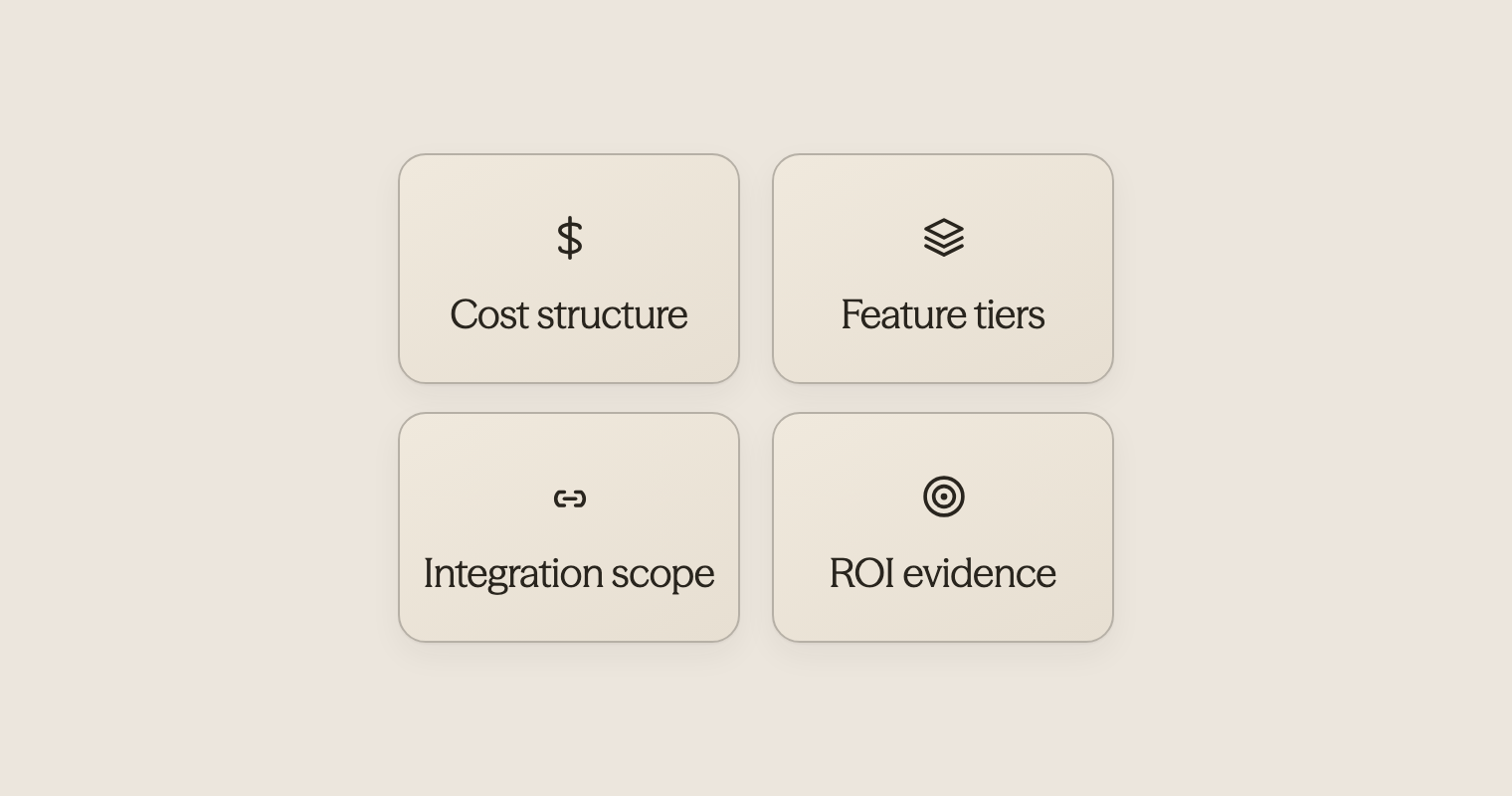
Pricing is one of the first things buyers evaluate. When assessing options, hospitality buyers typically ask, "How much does it cost?" Which features are included? What affects the price? Are there extra costs for setup or system integration? How does it compare to other platforms? Will the return justify the investment?
Why do hotels underestimate operational requirements when evaluating pricing?
Many buyers focus on pricing without considering operational impact. A platform may seem affordable at first, but teams often find they need additional support for implementation, system integration, workflow changes, or feature expansion.
Hotels buy software based on feature lists rather than their actual needs, resulting in unused features that never integrate into daily operations.
What happens when platforms don't reduce manual workload?
The real failure point is underestimating operational requirements. A platform may improve guest-facing experiences while still requiring significant manual effort behind the scenes.
If staff members continue to handle large portions of communication, coordination, and follow-up manually, efficiency gains will never fully materialize. Conduit addresses this by automating end-to-end guest communication workflows across every channel, reducing manual workload while maintaining personalized service.
Most buyers evaluate hospitality software by subscription price first, but the cheapest option often costs more in the long run.
The Belief That the Lowest Software Price Creates the Best Value
When hotels compare hospitality platforms, a common assumption emerges: "The cheapest platform delivers the best ROI." Technology budgets face scrutiny, ownership groups prioritize cost control, and pricing is often the first and easiest metric to compare.
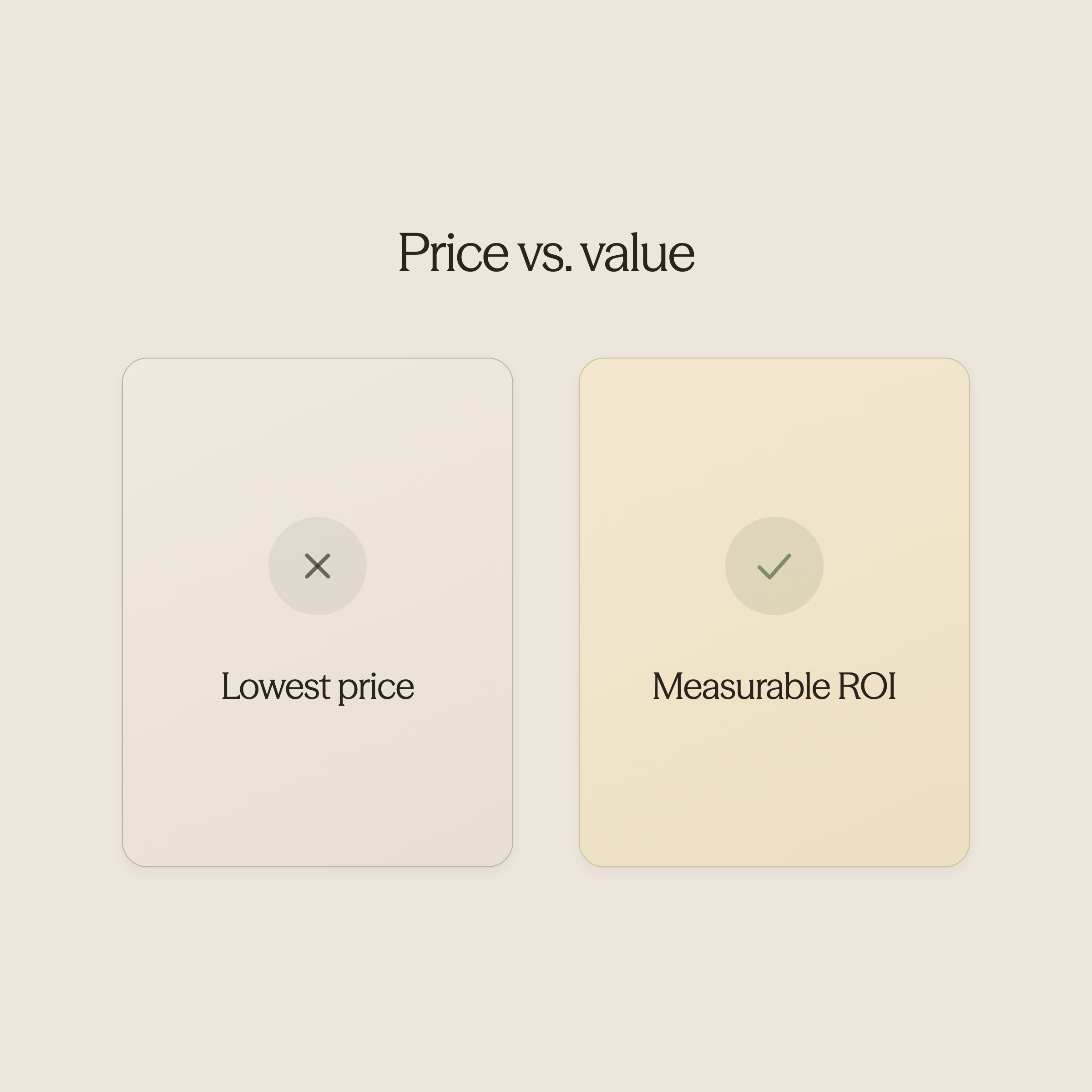
🎯 Key Point: While upfront costs matter, the cheapest software often becomes the most expensive choice when you factor in implementation time, training costs, and lost productivity.
"67% of software implementations fail to deliver expected ROI when organizations prioritize price over functionality and support quality." — Technology Investment Research, 2023
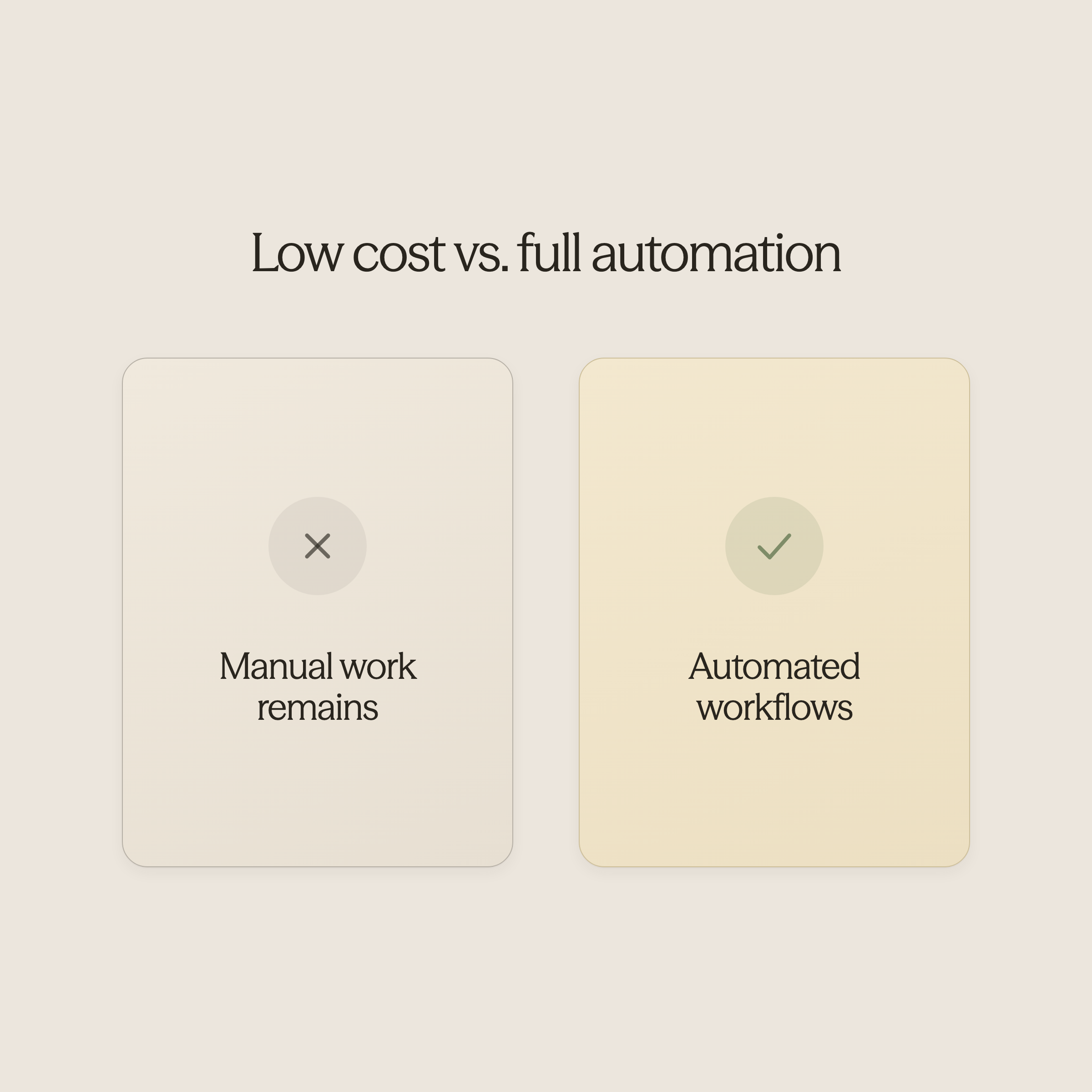
⚠️ Warning: Low-cost platforms often lack critical features like advanced automation, real-time analytics, and scalable integrations—forcing hotels to invest in multiple solutions or accept operational limitations that cost far more than the initial savings.
Why does focusing only on price overlook the bigger picture?
Hospitality software affects far more than subscription costs. It influences guest communication, staff workload, operational efficiency, service consistency, and revenue generation.
Evaluating a platform solely on price overlooks the broader financial impact of how the software changes day-to-day operations. This matters especially given labor pressure: according to the American Hotel & Lodging Association (2025), 65% of surveyed hotels reported staffing shortages, while 71% had open positions they could not fill despite active recruiting.
Why do lower subscription costs sometimes increase operational expenses?
A lower-priced platform that requires manual inquiry responses, request coordination, and follow-up management may end up costing more than a higher-priced solution that automates these tasks. This matters especially when hotels struggle to fill an average of six to seven open positions per property. Every hour spent on repetitive communication is an hour your team cannot dedicate to guest service or strategic work.
How do guest response expectations affect platform value?
Modern travelers expect quick responses: 73% of guests expect replies within five minutes, and nearly 70% expect instant communication before and during their stay. If a lower-cost platform cannot meet these expectations efficiently, subscription savings are offset by slower service, increased labor, or lower guest satisfaction. The platform's price becomes irrelevant if it cannot solve the operational challenge it was purchased to address.
The revenue impact that pricing comparisons miss
Hospitality software influences whether guests upgrade their rooms, purchase additional services, stay longer, and spend money in other ways. A platform with better automation and guest connectivity may create value that far exceeds any difference in subscription costs. The challenge is that these revenue impacts are harder to measure in evaluation than a monthly subscription fee is.
How do AI platforms scale service delivery without increasing headcount?
Platforms like AI for hospitality automate end-to-end guest communication workflows across every channel, reducing manual workload while maintaining personalized service. AI agents handle end-to-end service interactions independently rather than simply answering frequently asked questions, enabling hotels to scale service delivery without a proportional increase in staff.
What factors determine the true cost of hospitality software?
The true cost of hospitality software includes both what you pay and what the platform lets your team accomplish. Subscription pricing is only one part of the total cost equation, and rarely the most important one.
Related Reading
- AI Communications For Hotels
- AI For Vacation Rentals
- AI For Airbnb Hosts
- AI Use Cases In Hospitality
- Best Hotel Chatbot
What Impacts Duve Pricing?
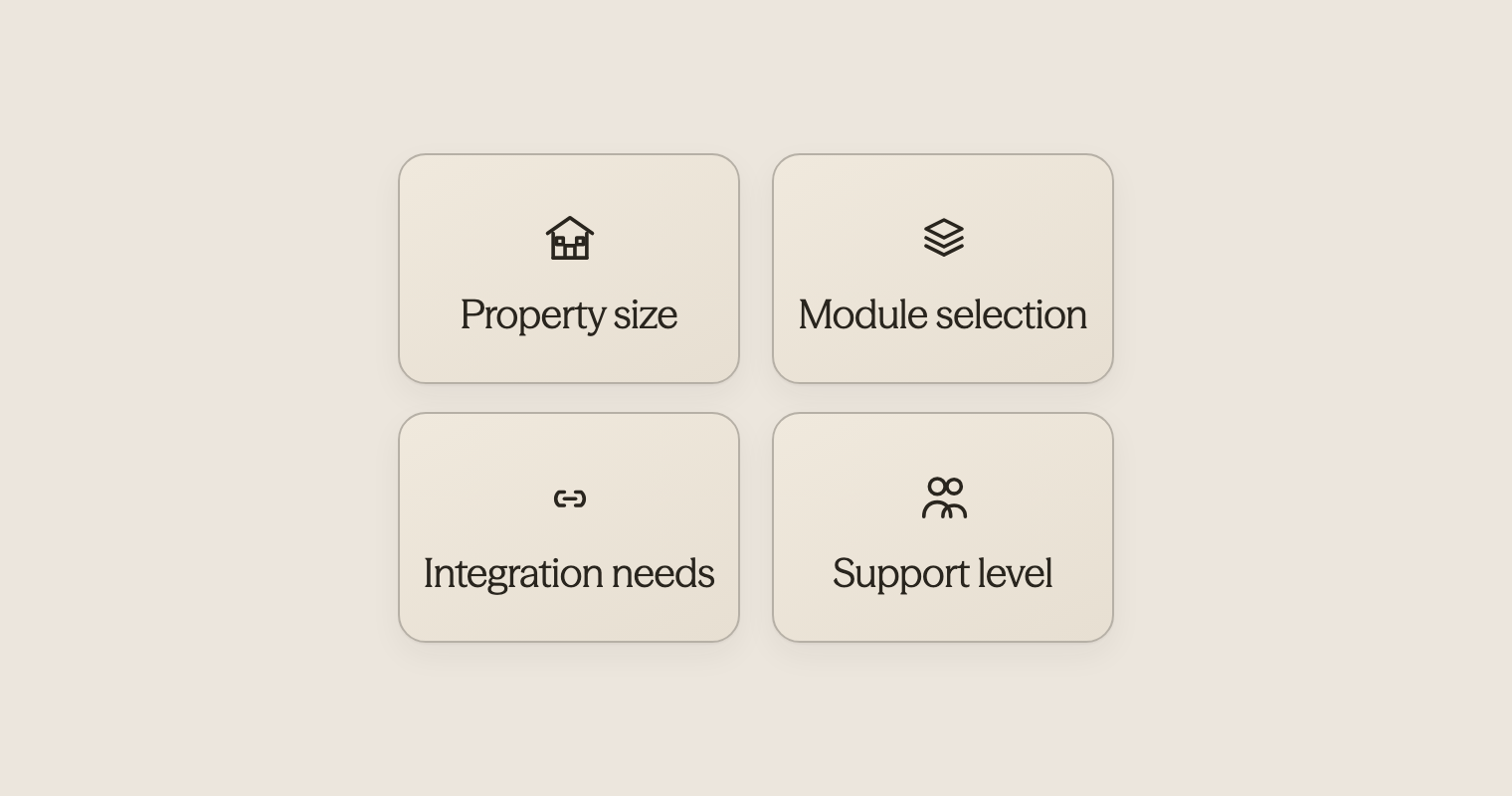
Several factors affect Duve's pricing: property size, modules used, integration requirements, and support level. According to Hotel Technology News, Duve secured a $60 million Series B investment in December 2025. This indicates the company continues developing the platform, which could change pricing in the future.
"Duve got a $60 million Series B investment in December 2025, showing the company is still developing the platform." — Hotel Technology News, 2025
| Pricing Factor | Impact on Cost |
|---|---|
| Property Size | Larger properties = higher fees |
| Module Selection | More features = increased pricing |
| Integration Needs | Complex integrations = additional costs |
| Support Level | Premium support = higher investment |

🔑 Key Takeaway: Duve's pricing structure is highly customizable based on your property's specific needs and feature requirements.
💡 Important Note: With Duve's recent funding, expect potential changes to their pricing model as they scale globally and enhance their AI-driven platform.
Property Size
The number of rooms you operate is the biggest factor affecting baseline pricing. Vendors structure fees around room count, bed count, or property count. A 50-room boutique hotel pays differently from a 300-room full-service property, and a management company operating 20 locations faces portfolio-level pricing that reflects higher usage volumes and operational complexity. Per-room rates often shift as your footprint grows, but total costs scale with the infrastructure required to serve more guests.
Feature Requirements
Duve's platform includes guest messaging, digital check-in, mobile keys, upselling tools, and AI-powered communication. Hotels that purchase the full suite pay more than those that use only messaging and check-in. Your chosen features determine subscription cost and the manual work your team handles after setup.
How do basic plans compare to full automation platforms?
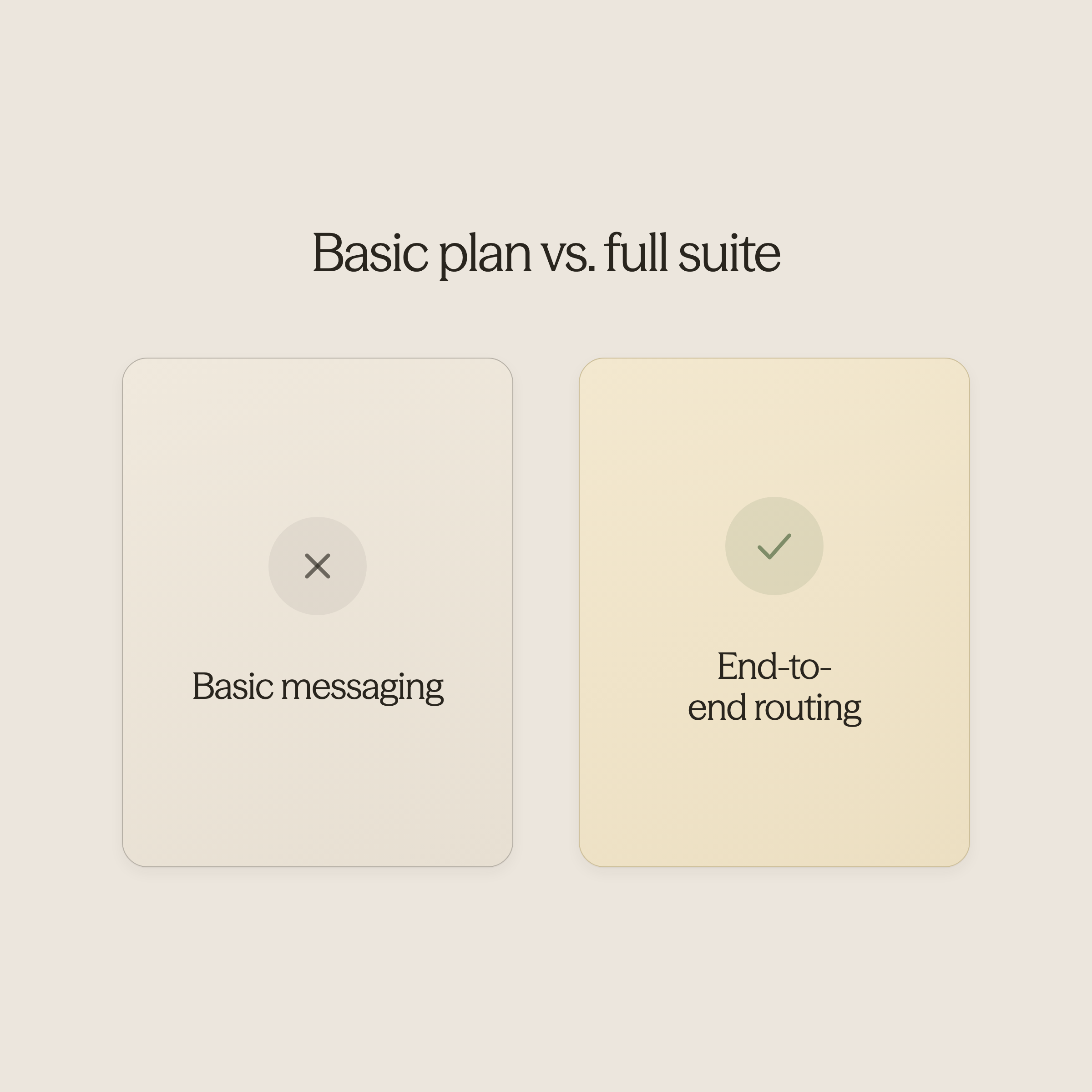
Most hospitality platforms offer tiered plans that appear similar but perform differently under pressure. A basic plan might include messaging, but if it requires staff to manually route requests or lacks integration with your property management system, you've traded subscription savings for labor costs.
Conduit automates routing, escalation, and cross-system actions without requiring staff to monitor queues, enabling faster response times and reducing staffing needs as occupancy changes.
Integrations
Hospitality technology operates within a connected system. Duve supports over 100 integrations with property management systems, revenue tools, smart locks, and communication platforms. Properties using widely supported systems like Opera or Mews experience smoother integration than those running older or niche systems requiring custom development. Integration complexity affects both initial setup costs and time to value.
Support and Services
Subscription fees cover software access, but setup, training, and ongoing account management often cost extra. Larger properties and multi-property groups typically require more extensive help with system setup and staff training than smaller independent hotels. Hotels with limited IT resources or experience with guest-facing technology need greater vendor support, which increases the total cost of ownership beyond the monthly subscription fee.
Knowing what drives pricing matters only if you ask the right questions when evaluating whether the platform works for your operation.
What Hotels Should Evaluate Beyond Price
Software evaluations often begin with pricing spreadsheets. But the more revealing question is: What happens after implementation? Two platforms charging similar monthly fees can produce entirely different outcomes in guest satisfaction, team workload, and revenue performance. A platform that costs more upfront but eliminates manual work, personalizes guest interactions, or generates incremental revenue often delivers far greater value than a cheaper alternative that simply digitizes existing processes.
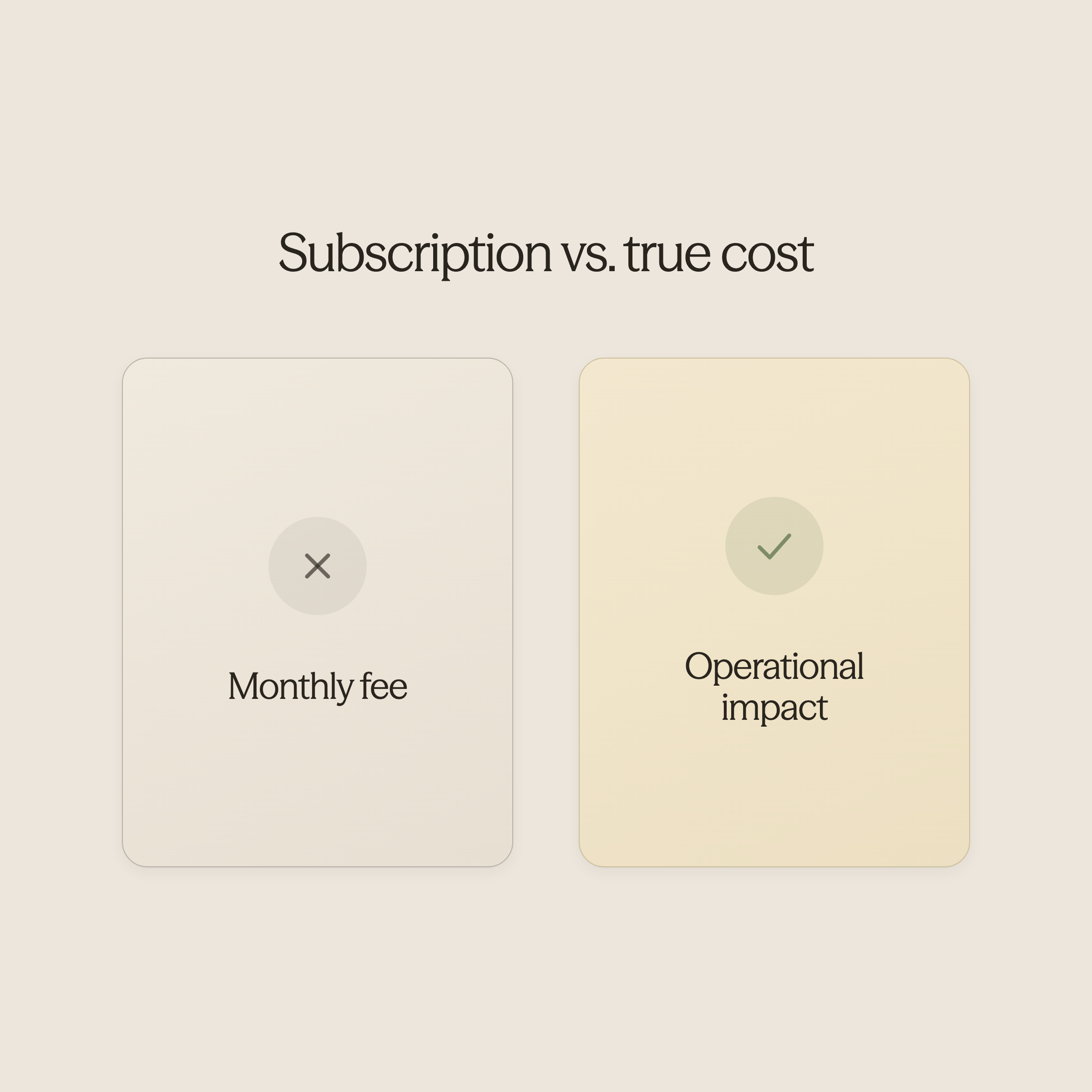
🎯 Key Point: The true cost of hotel software isn't the monthly subscription—it's the opportunity cost of choosing a platform that fails to drive measurable results in guest experience and operational efficiency.
"Price is what you pay. Value is what you get. In hotel technology, the difference between these two concepts can make or break your guest satisfaction scores." — Hotel Technology Investment Analysis, 2024
💡 Best Practice: When evaluating hotel software, create a comprehensive scorecard that weighs implementation ease, staff adoption rates, guest satisfaction impact, and revenue generation potential alongside traditional pricing metrics.
Guest Communication Quality
Communication quality determines whether a guest books directly, recommends the property, or leaves an influential review. When evaluating platforms, ask: Can it handle multiple channels without fragmenting conversations? Does it personalize interactions based on reservation details, guest history, or property context? Can guests reach you through their preferred method: SMS, email, WhatsApp, or messaging apps?
Consistent, contextual communication feels intentional rather than automated. Generic responses to specific questions erode trust quickly. Platforms that understand who the guest is, what they've booked, and what's happening at the property in real time deliver relevance that generic automation cannot.
How do platforms handle manual coordination between departments?
Many platforms improve how guests interact with your business while leaving internal operations largely unchanged. Your team still coordinates manually across departments, routes requests by hand, and manages escalations through email. When evaluating a platform, assess how much manual effort remains after implementation. Does it automate request routing based on type, urgency, or department capacity? Can it handle exceptions without requiring human intervention for every edge case? Does it reduce the coordination burden between the front desk, housekeeping, maintenance, and management?
What makes AI agents different from traditional communication tools?
AI for hospitality takes a different approach from traditional guest communication tools. Instead of digitizing messages, our AI agents learn how your operations work, take action across your internal systems, and handle complete workflows independently. Tasks that once required multiple handoffs and status checks—taking hours of coordination time—now complete in minutes with full visibility and audit trails.
How do guest communication platforms generate revenue beyond basic service?
Guest communication platforms function as revenue-generating tools, not merely as guest support systems. Each guest interaction presents an opportunity to offer upgrades, extended stays, or additional services. Platforms differ primarily in how effectively they surface these monetization opportunities.
Does the system notice when a guest might want early check-in based on arrival time? Can it suggest room upgrades matching previous preferences or the current reservation? Does it personalize offers based on available rooms, guest profile, or booking patterns?
What makes revenue opportunities feel natural rather than intrusive?
The most effective platforms integrate revenue opportunities into the natural flow of guest communication, making offers feel helpful rather than intrusive. According to the ReadyBid 2025 Benchmark Report, corporate hotel rates rose 7% in 2025, making incremental revenue from existing guests increasingly important as baseline rate growth faces market constraints.
Properties that capture modest upsell conversion see meaningful revenue-per-available-room impact without increasing acquisition costs.
How does data quality impact automation effectiveness?
Automation quality depends entirely on information quality. Generic systems produce generic results because they lack operational context. Sophisticated platforms like Conduit access reservation data, guest profiles, property-specific details, and real-time operational status to deliver relevant responses instead of templated replies.
When software knows who the guest is, what they've booked, their previous requests, and what's currently happening at the property, it can provide accurate information and appropriate automation. Properties with lean teams or high guest-to-staff ratios benefit most from platforms like Conduit that reduce repetitive inquiries through intelligent, context-aware responses.
What happens when your operation changes?
But even platforms that provide immediate value face a longer-term question most evaluations miss: what happens when your operation changes?
Duve vs Hospitality AI Platforms
Hospitality technology solutions fall into different categories. Some focus on guest experience management, while others emphasize AI-driven automation, operational orchestration, and revenue generation. Understanding this distinction helps buyers evaluate whether a platform's category alignment matches their hotel's strategic goals.
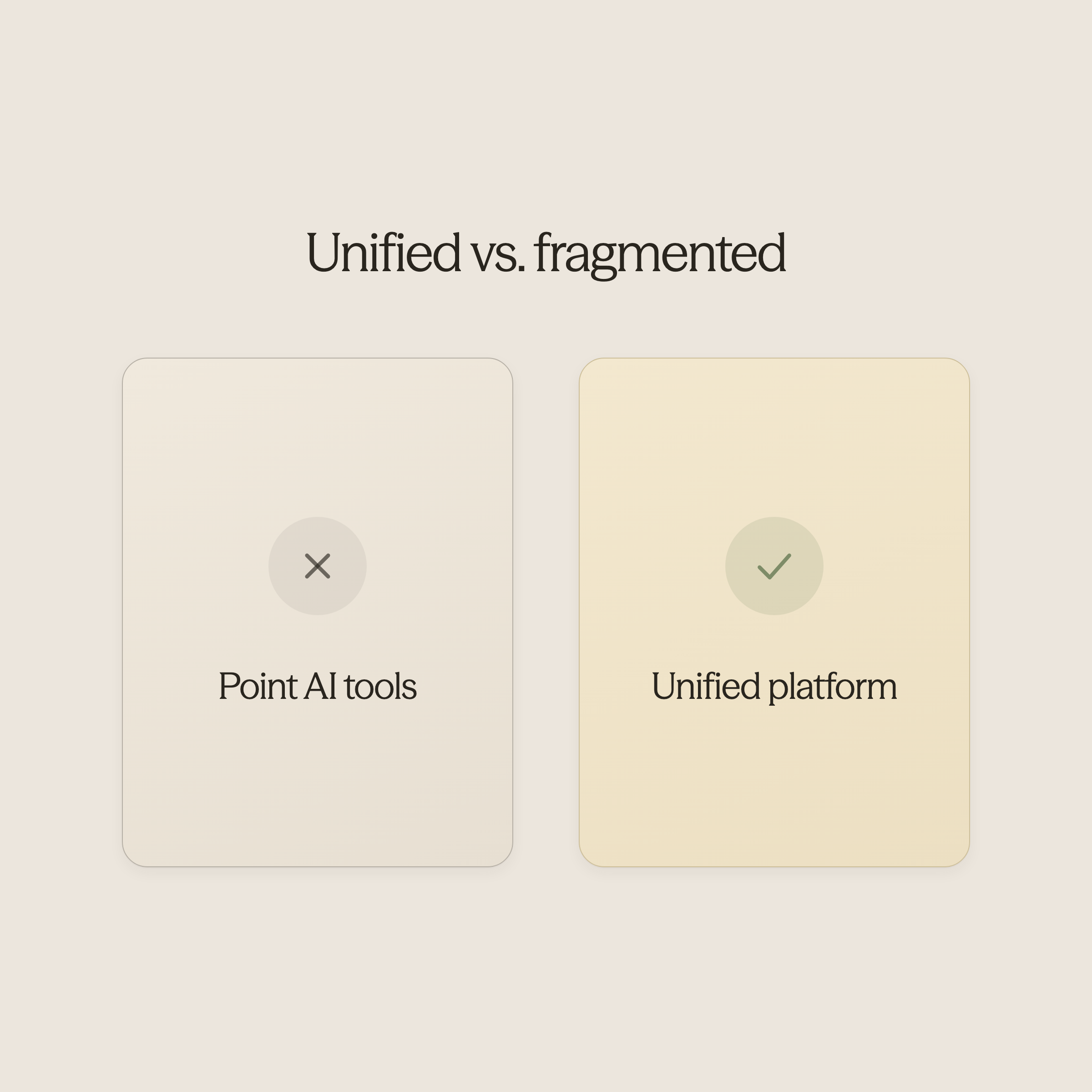
🎯 Key Point: Duve operates as a comprehensive guest experience platform that combines automation with personalization, while most hospitality AI platforms focus on narrow operational tasks like revenue management or chatbot services.
"Guest experience platforms that integrate multiple touchpoints see 23% higher guest satisfaction scores compared to single-function AI tools." — Hospitality Technology Report, 2024
| Platform Type | Primary Focus | Integration Scope | Best For |
|---|---|---|---|
| Duve | End-to-end guest journey | Full property ecosystem | Hotels prioritizing guest experience |
| Revenue AI Platforms | Pricing optimization | Limited to revenue systems | Properties focused on yield management |
| Chatbot Solutions | Basic guest inquiries | Single communication channel | Budget-conscious limited automation |
| Operations AI | Back-office efficiency | Internal processes only | Hotels targeting cost reduction |
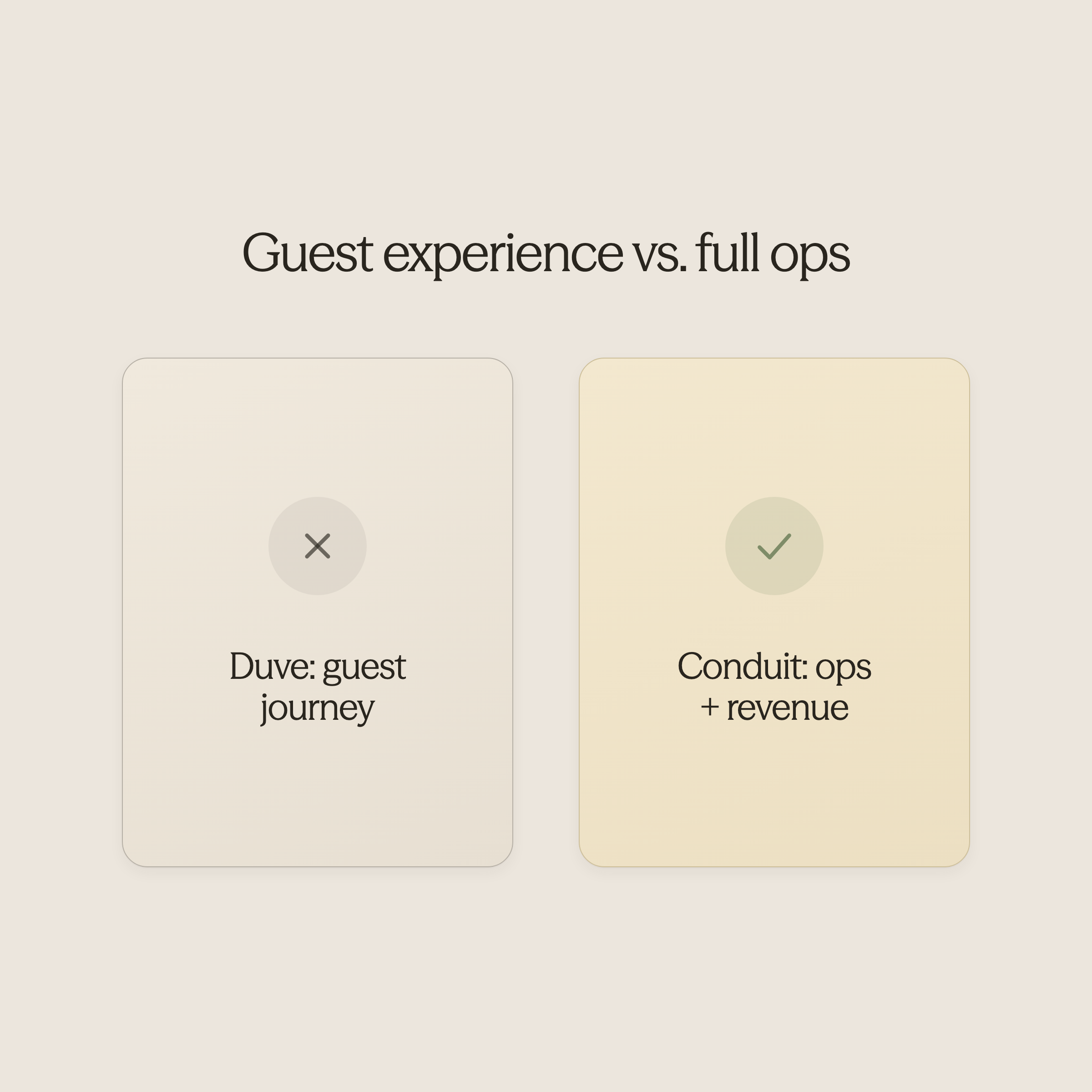
⚠️ Warning: Many AI platforms promise comprehensive solutions but deliver fragmented experiences that require multiple vendor integrations and create operational complexity rather than streamlined efficiency.
Where Duve Excels
Duve has built its reputation helping hotels digitize the guest journey. Its platform enhances interactions throughout the stay with tools for guest engagement, convenience, and personalization. For hotels focused on guest-facing experiences, Duve offers digital journeys that reduce friction, upsell capabilities that generate ancillary revenue, and engagement tools that keep guests informed. Hospitality Net reports that 85% of hotels use basic AI tools, suggesting most properties remain in the early stages of digital transformation, where guest experience platforms provide meaningful value.
The Broader AI Automation Question
Hotels are increasingly examining how technology affects their behind-the-scenes operations, shifting focus from guest-facing experiences to hospitality AI platforms that drive operational efficiency.
What should hotels evaluate when choosing AI platforms?
Key evaluation questions include: How much workflow automation is available? How deeply does the platform integrate into daily operations? Can guest requests automatically trigger operational workflows? How proactive is the platform in handling guest communication and operational tasks? Does the system resolve issues or facilitate interactions?
How do current manual processes create operational challenges?
Most hotels handle guest requests by manually routing them across departments. As guest volume increases and staffing decreases, requests fragment across SMS, email, WhatsApp, and front desk interactions.
Important information gets lost when requests move between staff members, response times stretch from minutes to hours, and simple requests like extra towels or maintenance issues require multiple touchpoints before resolution. Conduit automates request routing and follow-through across departments, reducing resolution time while preserving full context throughout the guest journey.
How do different hotel priorities affect platform selection?
A platform may improve the guest experience while still requiring staff to manually coordinate requests and manage follow-through. Hotels focused on digital guest experiences may prioritize engagement tools and guest journey management.
Hotels focused on efficiency prioritize workflow automation and operational orchestration. Those focused on revenue seek platforms that proactively identify upgrade, extension, and ancillary sales opportunities.
Once you understand what category a platform belongs to, the next question becomes harder to answer.
Related Reading
- Hotel Chatbot Guide
- AI Tools For Hotels
- Hotel Automation Tools
- Guest Communication Tools
- A Chatbot For Hotels
- AI Agents For Hotels
- Best Hotel Chatbot
Why Hotels Choose Conduit When They Want More Than Guest Experience Software
Hotels choose Conduit when they realize that guest experience tools alone won't solve their operational challenges. They need a platform that connects guest communication to internal workflows, automates cross-departmental coordination, and turns interactions into measurable business outcomes. Better guest experiences and operational efficiency aren't separate goals: they're interconnected.
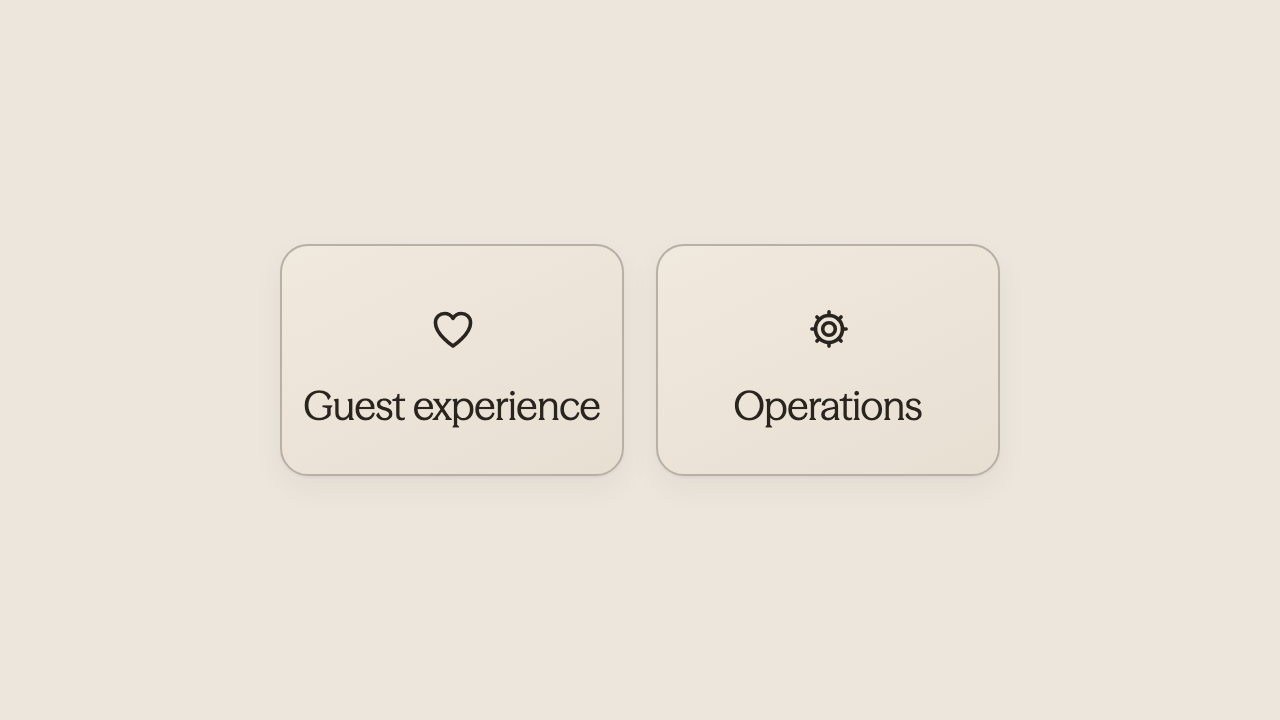
🎯 Key Point: The most successful hotels understand that guest satisfaction and operational performance are interdependent—you can't optimize one without addressing the other.
"Guest experience and operational efficiency aren't separate goals—they're connected to each other." — Conduit Platform Analysis, 2024
💡 Best Practice: Look for platforms that bridge the gap between guest-facing features and back-of-house operations to maximize both guest satisfaction and team productivity.
AI Across Every Guest Communication Channel
Guests contact you through multiple channels: email before arrival, text messages during check-in, website chat, and WhatsApp. Managing these separately creates inconsistent experiences and forces staff to monitor multiple systems simultaneously.
Conduit automates communication across all touchpoints while maintaining context throughout the guest journey. A question asked via website chat carries forward when the same guest texts days later. Staff spend less time answering repetitive questions about pool hours or parking and more time addressing complex needs that require human judgment.
Deep Hospitality Integrations
Regular automation tools lack real access to hotel systems, limiting their usefulness. A chatbot that cannot check room availability or retrieve reservation details forces guests to return to human staff. According to Hospitality Technology, hotels using guest engagement technology see a 25% increase in upsell revenue, but only when systems access real-time data rather than static information.
Conduit connects deeply into the hospitality technology system, pulling in reservation details, property information, and operational context. When a guest asks about extending their stay, the system knows current inventory status, pricing rules, and housekeeping schedules before responding.
Reservation and Property-Aware Responses
Hospitality interactions need context. A room upgrade request means nothing without knowing what rooms are available. A late checkout request requires understanding housekeeping schedules and incoming reservations. Generic responses create frustration by ignoring the specific conditions that determine whether a request is possible.
Conduit incorporates reservation and property context into every response, ensuring accuracy and relevance. Our platform delivers actionable answers immediately rather than "let me check with the front desk" placeholders that delay resolution and burden staff.
Automated Request Routing and Escalation
Responding to a guest is often just the beginning. Housekeeping requests must be submitted to the housekeeping team with sufficient detail for action. Maintenance issues require photos, room numbers, and urgency levels. Complex situations involving billing disputes or service recovery need management review before resolution.
Most teams handle this through email forwarding and manual follow-up. As properties grow, email threads fragment across inboxes, important context gets buried in reply chains, and response times stretch from hours to days. Platforms like Conduit automate request routing with built-in escalation rules, compressing coordination time while maintaining full visibility into status and follow-through.
How do guest interactions create revenue opportunities?
Guest interactions represent revenue opportunities that properties often miss without proper systems. Upgrade offers, stay extensions, and late checkout requests—when managed proactively—generate extra revenue. Research from Deloitte indicates that 64% of guests are more likely to return to a hotel that offers personalized experiences, but personalization requires systems that track guest preferences, booking history, and current context.
How does Conduit transform AI from a cost center to a revenue driver?
Conduit connects guest interactions to revenue workflows, surfacing opportunities that generate measurable returns. Rather than limiting AI to support conversations, our platform shifts technology from a cost center to a revenue driver that pays for itself through incremental bookings and ancillary purchases.
Understanding what Conduit does differently matters only if you can see it working in your specific operational context.
Book a Demo to See Conduit's AI for Hospitality Customer Service in Action
If you're researching Duve pricing, consider how much operational work your team performs manually and which guest interactions represent untapped revenue opportunities. Book a demo with Conduit to see how our AI automates guest service, streamlines operations, and unlocks additional revenue from interactions your team already handles.
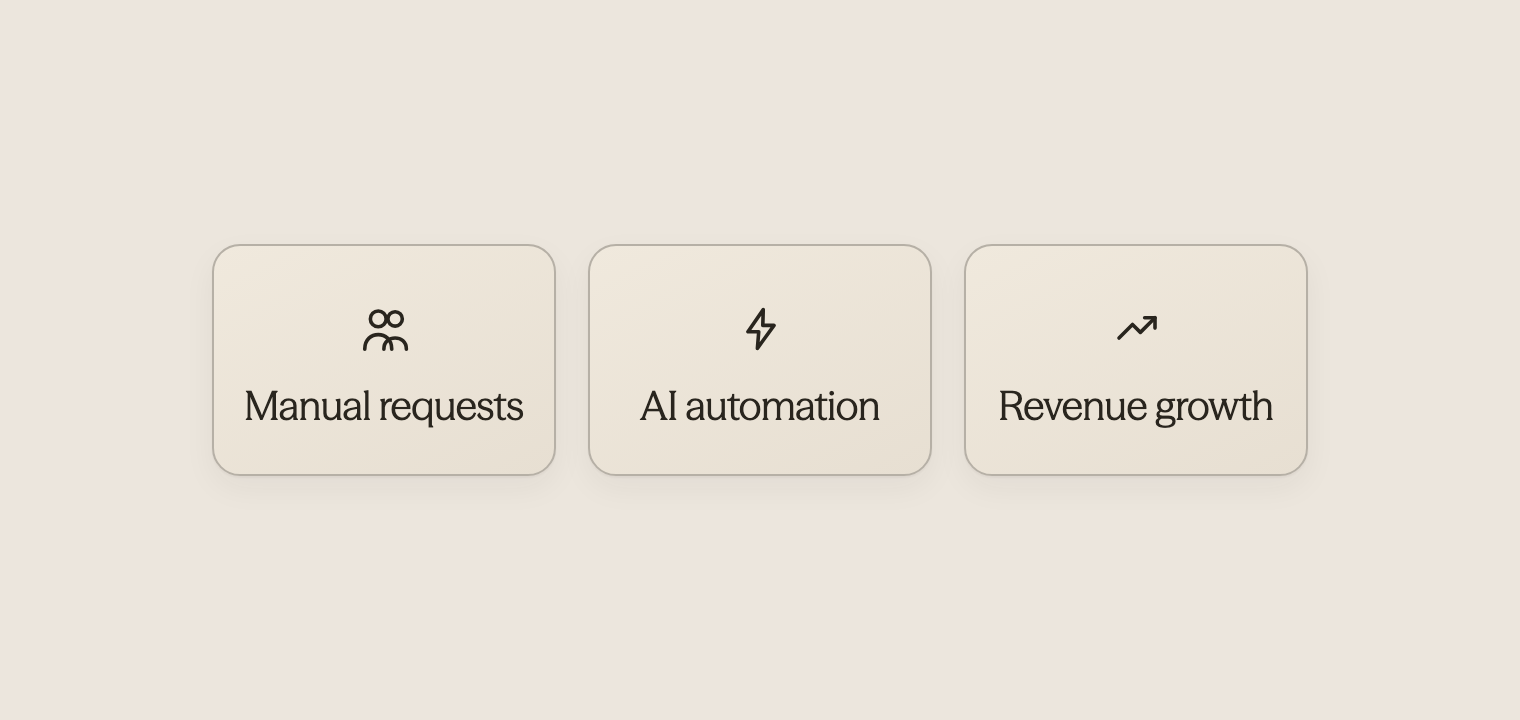
Identify the guest requests consuming the most staff time weekly and determine which could be automated using reservation and property-aware AI. This exercise reveals where operational and revenue opportunities exist. The question isn't whether AI can handle guest communication, but whether your platform turns those conversations into measurable returns.
Related Reading
- Airbnb Automated Messages
- Property Management AI Tools
- Best AI for Hotels
- AI Software For Hotels with the Best Reviews
- Enso Connect Pricing
- Hotel Automation Software
- Hijiffy Pricing
- Airbnb Automation Tools
Stay in the loop
Get the latest on AI automation, product updates, and customer stories.
